
As clinics grow, communication gets harder to manage. Teams are handling appointment scheduling, after-hours inquiries, and patient follow-up, yet still need workflows that support HIPAA-compliant communication. That is why more providers are turning to HIPAA-secure cloud phone platforms designed for growing clinics.
Missed calls, scattered text messages, and voicemails buried in separate apps disrupt patient care and expose practices to compliance risks. They also erode patient trust, create longer waits, and waste staff time. RingRx supports HIPAA-compliant phone, text, fax, video, and on-call workflows in one platform for healthcare teams. See how RingRx can support healthcare communication in one place. Sign up for a free RingRx trial today!
Why Growing Clinics Need More Than a Basic Phone Line
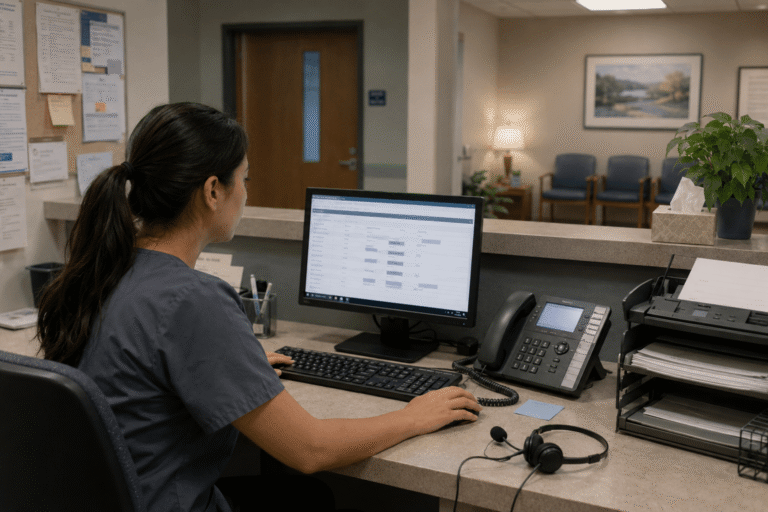
Picture a typical day in a busy medical office. The phone rings nonstop. Patients text about refills or questions. Faxes arrive with lab results. For many practices, the old-school setup just doesn’t cut it anymore. Missed calls pile up, routing gets complicated, and ensuring every interaction remains HIPAA-compliant becomes a full-time job.
Traditional systems lack the flexibility modern healthcare demands. They don’t integrate well with mobile devices or offer secure patient texting. And when it comes to spam calls, they offer little protection. The result? Frustrated staff, delayed patient care, and potential compliance risks. Practices end up spending hours chasing down messages or worrying about robocall protection instead of focusing on patients. This challenge is especially pronounced in smaller settings, where every minute counts and a reliable healthcare VoIP phone system can make the difference between smooth operations and constant firefighting.
The Power of HIPAA-Compliant Cloud Communications
Enter the world of cloud-based phone systems built specifically for healthcare. These platforms deliver a HIPAA-compliant phone system that covers VoIP calling, messaging, faxing, and even video consultations. They allow practices to maintain professional communication while meeting rigorous privacy standards.
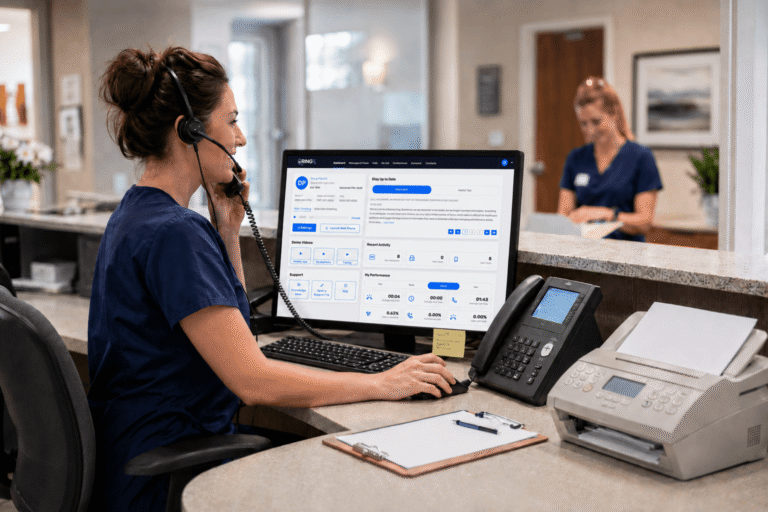
RingRx is a healthcare communications platform for medical practices, clinics, and healthcare organizations. It supports HIPAA-compliant phone, text, fax, and video workflows, along with call routing, on-call management, voicemail transcription, and mobile or desk phone access.
RingRx offers customizable features, including call routing, on-call management, voicemail transcription, and integration with mobile or desk phones.
Scalability That Grows With Your Practice
One of the biggest advantages of these cloud solutions is their ease of scaling. Whether a practice is adding users, expanding hours, or supporting new locations, a cloud-based system can usually adapt without the same hardware burden as older setups.
Features like number porting can make the transition easier to manage, and healthcare phone system pricing tends to be more predictable. That matters for growing clinics trying to plan costs without surprise charges.
Market analysis confirms that North America stands as the largest market for unified communications-as-a-service in healthcare. This growth underscores how hospitals, clinics, and other providers are replacing traditional on-premises systems with cloud platforms that integrate voice, video, messaging, and collaboration, while maintaining strict HIPAA-compliant environments. The practical impact is simpler administration, easier scaling, and less hardware to manage.
Features That Address Everyday Clinic Needs
Beyond basic calling, these platforms tackle specific pain points head-on. Secure patient texting keeps conversations private and convenient, while HIPAA-compliant fax service replaces outdated machines with secure, cloud-based sending and receiving. Medical offices gain a phone and fax system that works together more cleanly.
After-hours call handling for clinics ensures no patient falls through the cracks, while on-call routing for healthcare providers directs urgent matters to the right person instantly. Call routing and after-hours handling can help practices reduce missed calls and manage front-desk volume more clearly.
Additional tools like patient reminder texting can help reduce no-shows, and spam call blocking for medical offices keeps robocalls at bay. For telehealth, a dedicated communication platform securely supports video consultations. HIPAA-compliant call recording can also support training or review workflows when needed. These capabilities turn a simple phone system into a comprehensive patient communication software for clinics that actually enhances care delivery.
- Unified communication workflows that support healthcare teams
- Features such as voicemail transcription and call management
- Support for secure texting workflows and secure voicemail
- Patient communication tools that include outreach and reminders
Overcoming the Hesitation to Switch
Switching phone systems can feel disruptive, and many practices worry about downtime or learning curves. Cloud platforms are usually easier to adopt when setup, training, and migration are handled clearly. Questions about reliability across phone, text, fax, and routing are valid. Leading solutions should provide dependable infrastructure and clear documentation that support HIPAA-compliant communication workflows.
Some providers consider Google Voice as a HIPAA-compliant alternative, but specialized healthcare platforms deliver more comprehensive features for medical office phone system needs. The value shines through in time saved and better patient engagement, often outweighing cheaper options that lack healthcare focus. Transparent pricing with no billing surprises seals the deal for busy practices, addressing the common concern that switching will create more problems than it solves.
Improving Patient Connections and Practice Efficiency
The real win comes in how these systems transform daily operations. Secure messaging for healthcare providers allows quick, compliant follow-ups. Healthcare call management system features help organize everything from patient outreach tools to internal staff coordination. A unified setup means less juggling between apps and more focus on care.
Whether it’s a medical office VoIP provider or a full healthcare communication platform, the result is fewer administrative headaches and stronger patient relationships. Practices often see communication become easier to manage when tools are built around their workflows. From secure texting for therapists to patient communication software for clinics, every feature supports smoother interactions and reduces the administrative load that often pulls providers away from what matters most.
Best phone system for medical practices: also consider spam call blocking for medical offices and robocall protection for healthcare phone systems, keeping the line clear for real patient needs. The healthcare-first platform built for real medical workflows delivers unified HIPAA-compliant communications that simply work, backed by transparent pricing with no hidden fees or billing surprises.
Choosing the Best Fit for Your Medical Practice
Finding the right solution starts with understanding your needs. Look for the best phone system for medical practice that prioritizes HIPAA-compliant texting, secure voicemail for healthcare, and easy integration with existing workflows. Consider support for small medical practice setups and options for patient communication software for clinics.
A good system should reduce administrative burden while enhancing care delivery. Platforms with a healthcare-first design stand out because they’re built for real medical workflows, offering unified communications that just work. The combination of healthcare-specific features, reliable performance, and straightforward costs makes the decision clear for practices ready to modernize without disruption.
The Road Ahead for Healthcare Communications
As technology advances, cloud phone systems will continue evolving to meet new demands. The focus remains on security, scalability, and simplicity qualities that help growing clinics thrive in a competitive landscape. Practices that adopt these tools today position themselves for long-term success, turning communication into a strength rather than a daily struggle.
For growing clinics, the main question is whether the platform makes communication easier to manage without adding more complexity. In practice, that usually comes down to clearer workflows, better routing, and fewer disconnected tools.
Frequently Asked Questions
What is a HIPAA-compliant cloud phone system, and why do medical practices need one?
A HIPAA-compliant cloud phone system is a cloud-based communications platform that handles VoIP calling, secure texting, faxing, and video consultations while meeting strict healthcare privacy standards. Medical practices need one because traditional phone systems lack the flexibility, security, and integration capabilities that modern clinics require. Without a dedicated healthcare communication platform, practices risk compliance violations, missed calls, and inefficient workflows that pull staff away from patient care.
How does a cloud-based healthcare phone system scale with a growing clinic?
Cloud-based healthcare phone systems scale seamlessly by allowing practices to add users, expand hours, and integrate new telehealth tools entirely in the cloud no expensive hardware upgrades or lengthy installations required. Features like number porting ensure a smooth transition without disrupting existing patient communication. Transparent, predictable pricing also makes it easier for smaller clinics and behavioral health practices to budget as they grow.
What key features should I look for in the best phone system for a medical practice?
The best phone system for a medical practice should include HIPAA-compliant calling, secure patient texting, cloud-based faxing, voicemail transcription, and after-hours call routing to ensure no patient inquiry goes unanswered. Additional features like spam call blocking, virtual receptionists, on-call management, and patient reminder texting further streamline front-office operations. Choosing a platform built specifically for healthcare workflows ensures all these tools work together within a fully compliant environment.
Disclaimer: The above helpful resources content contains personal opinions and experiences. The information provided is for general knowledge and does not constitute professional advice.
You may also be interested in: Texting vs. Calling: What Patients Really Want in 2025
Missed calls, scattered text messages, and voicemails buried in separate apps disrupt patient care and expose practices to compliance risks. They also erode patient trust, create longer waits, and waste staff time. RingRx supports HIPAA-compliant phone, text, fax, video, and on-call workflows in one platform for healthcare teams. See how RingRx can support healthcare communication in one place. Sign up for a free RingRx trial today!
Powered by flareAI.co