Quick Listen:
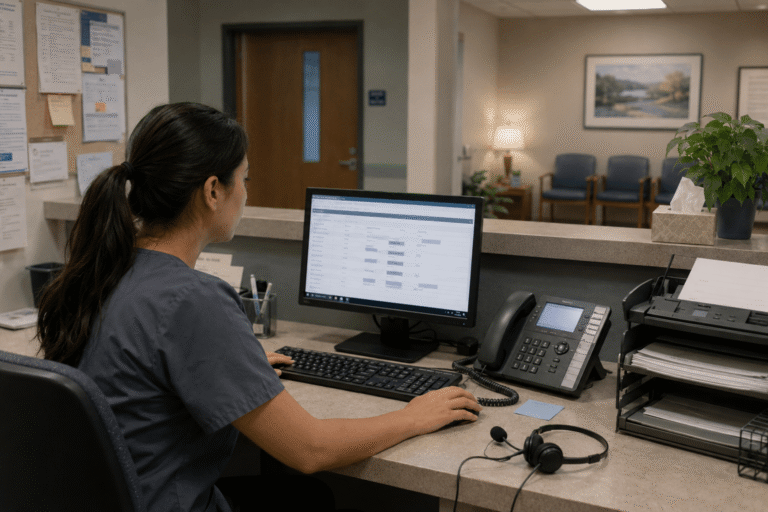
Front desk teams serve as the first and often most memorable point of contact for patients in medical practices. How they handle calls, greet visitors, manage schedules, and relay information shapes patient trust, satisfaction, and loyalty. For practice managers and administrators, strong front desk communication directly supports smoother operations and better clinical outcomes.
Effective front desk communication builds patient trust from the first interaction and encourages return visits. Poor communication leads to missed appointments, frustrated staff, and lost revenue opportunities. Training receptionists in empathy, technology, and de-escalation turns potential problems into positive experiences.
Automated tools for reminders and two-way messaging reduce manual work and improve patient response rates. Clear routing and escalation practices help teams stay organized even during busy periods or after hours. Investing in better communication processes supports HIPAA-aligned workflows and reduces administrative burden.
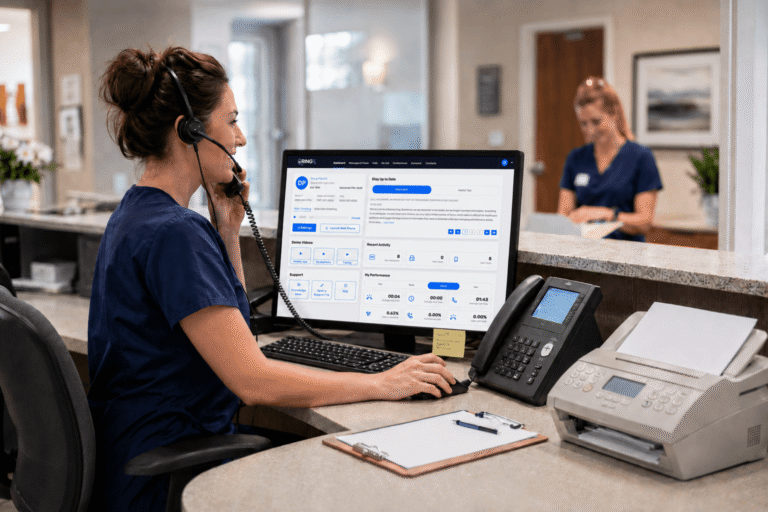
Missed calls, scattered text messages, and voicemails buried in separate apps can slow patient communication and add compliance risk. RingRx brings voice, secure texting, fax, video, and on-call communication into one platform designed to support HIPAA-compliant healthcare communication workflows. Start your RingRx free trial today.
What Makes Front Desk Communication So Important?
Patients form their first impression of a practice at the front desk whether by phone, in person, or through digital channels. A warm greeting, accurate information, and patient use of names can reduce anxiety during stressful moments like discussing bills or wait times. Receptionists who explain processes clearly and offer reassurance help build rapport that extends beyond a single visit.
This role goes well beyond answering phones. Front desk staff coordinate with clinical teams, update records, handle insurance questions, and manage emotions when patients feel vulnerable. When communication flows well, practices see stronger patient retention and more positive word-of-mouth referrals.
Common Challenges in Medical Office Communication
Many practices struggle with high call volumes, after-hours inquiries, and manual scheduling processes. Staff often spend significant time on outbound reminder calls and follow-ups for no-shows, which pulls them away from other important tasks. Patients expect quick, convenient responses similar to consumer experiences with online retailers.
Without clear protocols, messages can get lost between departments, leading to delayed handoffs or repeated questions. Front desk teams may also face difficult conversations around insurance or wait times without adequate training, which increases stress and the risk of negative patient experiences.
The Impact of Strong Receptionist Skills
A well-trained medical receptionist acts as a relationship builder. When staff use patient names, listen actively, and provide clear explanations, patients feel respected and informed. This approach helps turn potentially tense interactions such as discussing payments or rescheduling into opportunities to strengthen connections.
Practices that empower front desk teams with proper tools and training report better patient loyalty. Receptionists comfortable with electronic health records and insurance processes keep clinical teams updated efficiently, reducing errors and supporting timely care.
A well-trained medical receptionist serves as the primary touchpoint for patients, greeting them warmly and managing emotions during stressful moments like bill discussions or scheduling questions. This role extends far beyond basic tasks, requiring comfort with technology such as electronic health records and insurance scanners to keep clinical teams updated. Patients rely on receptionists for accurate information about wait times, insurance responsibilities, and upcoming visits, making clear communication essential for reducing anxiety and ensuring smooth check-ins. When staff use patient names, explain processes patiently, and offer reassurance, they build rapport that encourages patients to return and refer others. Receptionist as relationship builder practices see measurable improvements in patient satisfaction when front desk staff receive ongoing support and recognition.
How Automated Tools Improve Front Desk Efficiency
Two-way automated messaging via SMS or similar channels allows patients to confirm, cancel, or reschedule appointments directly. This reduces friction compared to phone-only reminders during business hours and gives patients convenient options at any time.
Practices using these systems often reclaim hours previously spent on manual calls. Cancellations arrive earlier, making it easier to fill open slots. Front desk teams gain more time for in-person interactions and complex tasks instead of repetitive outreach.
Expert Sam Meckey of WestCX explains that no-show rates, a major drain on practice revenue, often stem from communication breakdowns rather than patient behavior. Patients now expect seamless interactions like those on Amazon, where responses happen instantly. Traditional phone reminders during business hours create friction, leading to missed slots that burden front desk staff with follow-up calls and scheduling gaps. Switching to two-way automated messaging, typically via SMS or RCS, allows patients to confirm, cancel, or reschedule directly in the same thread, providing timely updates that free up front desk time. Practices report reclaiming 5 to 10 hours weekly previously spent on outbound calls, with cancellations arriving 28 to 48 hours earlier to enable better slot backfilling. Automated reminders improving front desk processes help reduce no-shows and support revenue stability without adding to staff workload.
Best Practices for Front Desk Communication
Start with clear scripting and training focused on empathy and de-escalation. Equip staff to handle common scenarios confidently while knowing when to escalate to clinical team members. Establish consistent processes for message handoffs and after-hours coverage.
Consider technology that routes calls to the right person quickly and organizes communications across phone, text, voicemail, and fax. Set expectations for response times and document consent for digital outreach to maintain compliance.
Regularly review workflows to identify bottlenecks. Simple changes like standardized greeting protocols or shared access to schedules can reduce confusion and improve team coordination.
How RingRx Helps
- Route calls so the right person gets the right call at the right time.
- Support after-hours workflows with clear escalation rules and organized voicemail.
- Reduce unwanted calls while ensuring real patient messages reach the team efficiently.
- Keep communication organized across multiple channels in one secure platform.
- Provide transparent pricing that simplifies budgeting for communication tools.
Building a Communication Strategy That Lasts
Effective front desk communication requires ongoing attention to training, processes, and tools. Practices that treat the front desk as a strategic part of patient experience see benefits in satisfaction scores, operational efficiency, and staff morale.
By focusing on practical improvements better training, responsive technology, and clear protocols medical offices can create smoother experiences for patients and teams alike. The result is a more resilient practice ready to deliver consistent, high-quality care.
Frequently Asked Questions
Why is front desk communication important in medical offices?
Front desk communication shapes the patient experience from the first interaction and helps build trust with patients. Clear, empathetic communication improves satisfaction, supports smoother workflows, and encourages patients to return for future care.
How can medical offices improve receptionist communication skills?
Medical offices can improve receptionist communication by providing training in empathy, active listening, de-escalation, and healthcare technology. Strong communication skills help staff handle scheduling questions, insurance concerns, and patient interactions more effectively.
How do automated patient messaging tools help reduce front desk workload?
Automated patient messaging tools help medical offices reduce manual reminder calls by allowing patients to confirm, cancel, or reschedule appointments through convenient digital channels. These solutions improve response rates, reduce no-shows, and give front desk teams more time for important patient needs.
Disclaimer: This article is for general informational purposes and is not legal advice. Practices should review communication, privacy, and compliance policies with their legal, compliance, or administrative teams.
You may also be interested in: Virtual Receptionist Services for Medical Practices – RingRx
Missed calls, scattered text messages, and voicemails buried in separate apps can slow patient communication and add compliance risk. RingRx brings voice, secure texting, fax, video, and on-call communication into one platform designed to support HIPAA-compliant healthcare communication workflows. Start your RingRx free trial today.
Powered by flareAI.co