Quick Listen:
Healthcare delivery has undergone a profound transformation in recent years, with many routine medical interactions moving from crowded waiting rooms to secure digital screens. Patients no longer battle traffic or endure long waits in stuffy lobbies for follow-up care. At the heart of this evolution is a striking trend: telehealth platforms are experiencing a sharp increase in demand for protected virtual visits. This momentum captures what many experts now call the surge in HIPAA-compliant video consultations.
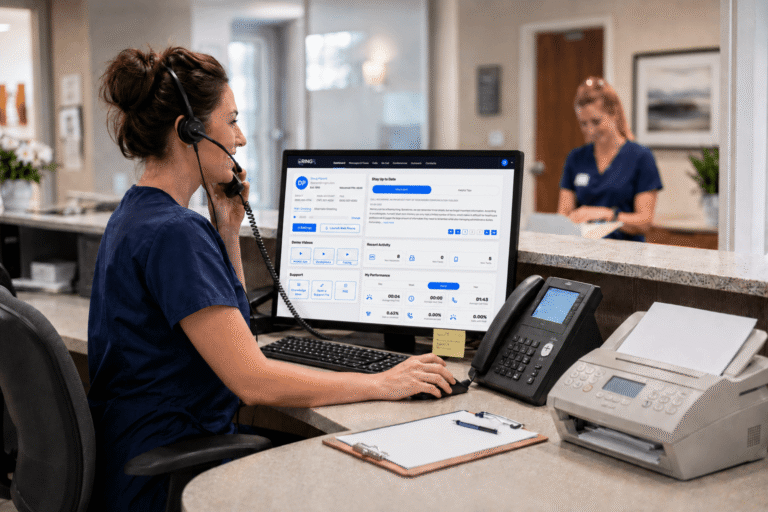
Missed calls, scattered text messages, voicemails buried in separate apps disrupt patient care and expose practices to compliance risks. Erodes patient trust, longer waits and wasted staff time. RingRx changes that by combining voice, secure texting, fax, video visits, and on-call scheduling into one intuitive, fully HIPAA-compliant platform designed specifically for medical workflows. See how your practice can grow, run more smoothly, and deliver a better experience for every patient. Sign Up for RingRx Free Trial today!
The COVID-19 Catalyst for Telehealth Adoption
The pandemic forced an abrupt and sweeping change across the medical landscape. In-person visits suddenly carried new risks, prompting virtual alternatives to step forward almost overnight. What started as an emergency measure quickly evolved into a lasting component of care. The extensive uptake of telehealth has considerably transformed health care delivery since the beginning of the COVID-19 pandemic and has imposed tremendous challenges to its large-scale implementation and adaptation.
Virtual care is no longer seen as a temporary workaround. Instead, it has become an integral part of the health system. This paradigm shift required fresh thinking from providers and policymakers alike, as they confronted the realities of scaling technology that many had only experimented with before. The transition illuminated both the remarkable promise and the practical pitfalls of delivering medicine through screens.
Hospitals Embracing Virtual Care at Scale
Evidence of this shift appears across the country’s hospitals. According to the American Hospital Association, 76% of U.S. hospitals now connect patients and clinicians using telehealth technology a figure that continues to climb as the healthcare ecosystem grows more digital. This widespread adoption signals that virtual consultations have moved well beyond the experimental stage and are now standard practice in many facilities.
From bustling urban medical centers to smaller community clinics, the technology has extended reach in ways that once seemed unimaginable. Patients in remote towns can consult specialists without enduring exhausting travel. Clinicians, in turn, gain greater scheduling flexibility, serving more individuals efficiently while minimizing unnecessary exposure risks.
The Essential Role of HIPAA in Building Trust
Trust remains fundamental to every medical interaction, particularly when it occurs online. Platforms that adhere to rigorous HIPAA standards for data protection have witnessed the strongest growth. These secure video tools safeguard privacy throughout consultations, whether addressing urgent concerns, behavioral health needs, or long-term chronic condition management.
With built-in end-to-end encryption and protected messaging, both patients and providers can concentrate fully on the conversation rather than potential security vulnerabilities. Temporary regulatory relaxations during the pandemic demonstrated what was achievable, yet the ongoing drive for permanent legal clarity continues to shape service development. Without this secure foundation, the current expansion of telehealth would simply not have reached today’s scale.
Real-Time Video as the Dominant Connection Method
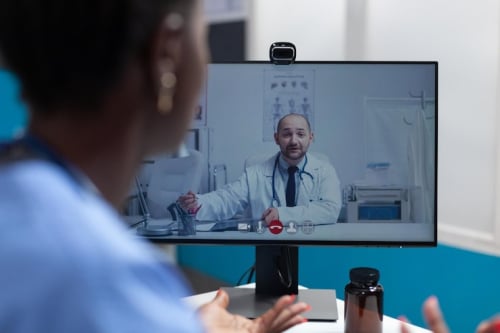
Telehealth takes many forms, but real-time video has emerged as the clear preference. It enables immediate, face-to-face discussions that more closely replicate traditional office visits than asynchronous messages or stored files. This live approach proves especially effective for quick triage, detailed therapy sessions, and ongoing general medical care.
Platforms focused on on-demand video have thrived because they preserve the vital human connection. When combined thoughtfully with supportive technologies, these tools enhance rather than replace personal interaction, creating an experience that feels natural and reassuring rather than mechanical.
Persistent Barriers in Rural and Underserved Communities
Despite impressive gains, progress has not been uniform. Connectivity limitations continue to pose significant obstacles. In rural areas, 28% of people lack access to high-speed broadband internet. In addition, 24% of people in Tribal lands lack access to broadband services. The availability of broadband affects the ability of patients to participate in video consultations, transmit health information, and monitor their health at home.
Additional challenges compound the problem. Many households depend on outdated devices, face high costs for necessary equipment, or struggle with varying levels of digital comfort. Some patients remain hesitant to discuss sensitive matters through a screen. These disparities risk creating a two-tier healthcare system in which urban residents enjoy greater convenience while rural and Tribal communities fall further behind.
- High costs of equipment and ongoing maintenance
- State licensing restrictions that limit cross-border care
- Unclear or inconsistent reimbursement policies
- Difficulty establishing genuine rapport in virtual settings
Applying Human Factors to Improve Telehealth Systems
Effective virtual care demands more than reliable internet and sophisticated applications. It requires careful, human-centered design that considers the real needs of everyone involved. Researchers have turned to established frameworks such as the Systems Engineering Initiative for Patient Safety model to guide a holistic analysis of telehealth implementation, encompassing the health care work system, care processes, and outcomes.
This approach helps identify barriers ranging from limited digital skills among patients to workflow disruptions for busy clinicians. At the same time, it reveals meaningful opportunities. Remote models can ease staffing shortages, policy adjustments can broaden reimbursement, and redesigned care teams can make the most of available resources. When addressed systematically, these factors reduce frustration and enhance both safety and satisfaction for patients and providers alike.
The Everyday Impact of Expanded Virtual Access
Beyond broad trends, the growth of telehealth touches daily life in tangible ways. A parent worried about a sick child can connect with a clinician immediately rather than spending hours in an emergency waiting area. Individuals managing chronic conditions like diabetes receive timely guidance without missing work. Mental health support becomes far more approachable when sessions occur from the comfort and privacy of home.
Providers also benefit from added flexibility. They can reach patients who previously slipped through cracks due to distance, transportation barriers, or mobility limitations. The technology simultaneously frees physical clinic space for those who genuinely require in-person examination. Success ultimately depends on maintaining an intuitive, secure experience that never allows the human dimension of care to fade behind the screen.
Looking Ahead to a More Accessible Future
The surge in HIPAA-compliant video consultations shows no signs of reversing. Hybrid care models that thoughtfully blend virtual and in-person visits are gaining traction, often supported by wearable devices for continuous remote monitoring and improved data-sharing protocols. Mental health services in particular have benefited, with video-based therapy now a normalized and welcomed option for many who once delayed seeking help.
Challenges such as the digital divide remain real, yet continued advances in connectivity and supportive technologies offer pathways toward greater inclusion. The most promising path forward balances innovation with human-centered design that consistently places patients at the center of care. As health systems continue to adapt, this connected approach holds the potential to reshape healthcare access and delivery for years to come.
In the final analysis, the rise of secure virtual consultations on telehealth platforms represents a lasting and meaningful evolution in medicine. It delivers expanded access and greater efficiency while reinforcing a core truth: technology serves its highest purpose when it supports, rather than complicates, the fundamentally human work of healing.
Frequently Asked Questions
Why are HIPAA-compliant video consultations surging on telehealth platforms?
The surge is largely driven by the lasting behavioral shifts triggered by COVID-19, which normalized virtual care as a permanent part of healthcare delivery. With 76% of U.S. hospitals now using telehealth technology, patients and providers have embraced secure video consultations for routine follow-ups, chronic condition management, and mental health support. HIPAA-compliant platforms build the trust necessary for widespread adoption by ensuring end-to-end encryption and protected messaging throughout every session.
What are the biggest barriers to telehealth access in rural and underserved communities?
Connectivity remains the most significant obstacle 28% of rural residents and 24% of people on Tribal lands lack access to high-speed broadband, making video consultations difficult or impossible. Beyond infrastructure, challenges include the high cost of devices, inconsistent reimbursement policies, state licensing restrictions, and lower levels of digital literacy among some patient populations. Without targeted interventions, these gaps risk creating a two-tier healthcare system that leaves vulnerable communities further behind.
How does real-time video compare to other telehealth methods for patient care?
Real-time video has emerged as the preferred telehealth format because it most closely replicates the face-to-face dynamics of a traditional office visit, which is especially valuable for triage, therapy sessions, and ongoing general care. Unlike asynchronous messaging or stored file transfers, live video preserves the human connection that is central to effective medicine. When thoughtfully designed with human-centered principles, these platforms enhance rather than replace the personal interaction patients rely on.
Disclaimer: The above helpful resources content contains personal opinions and experiences. The information provided is for general knowledge and does not constitute professional advice.
You may also be interested in: Telehealth in Rural America: How the Right Communication System
Missed calls, scattered text messages, voicemails buried in separate apps disrupt patient care and expose practices to compliance risks. Erodes patient trust, longer waits and wasted staff time. RingRx changes that by combining voice, secure texting, fax, video visits, and on-call scheduling into one intuitive, fully HIPAA-compliant platform designed specifically for medical workflows. See how your practice can grow, run more smoothly, and deliver a better experience for every patient. Sign Up for RingRx Free Trial today!
Powered by flareAI.co