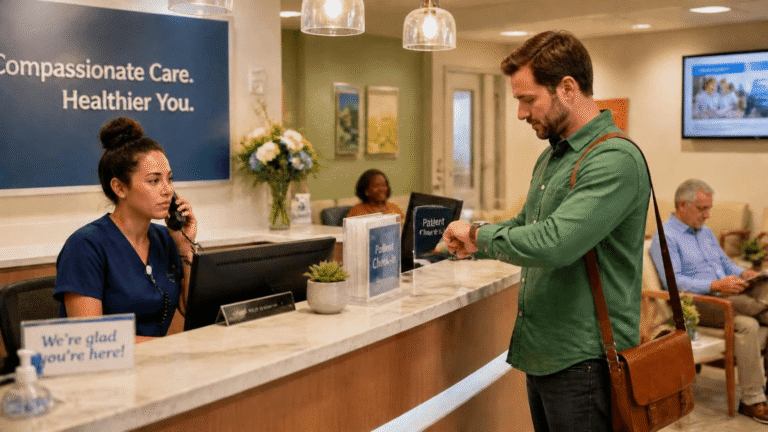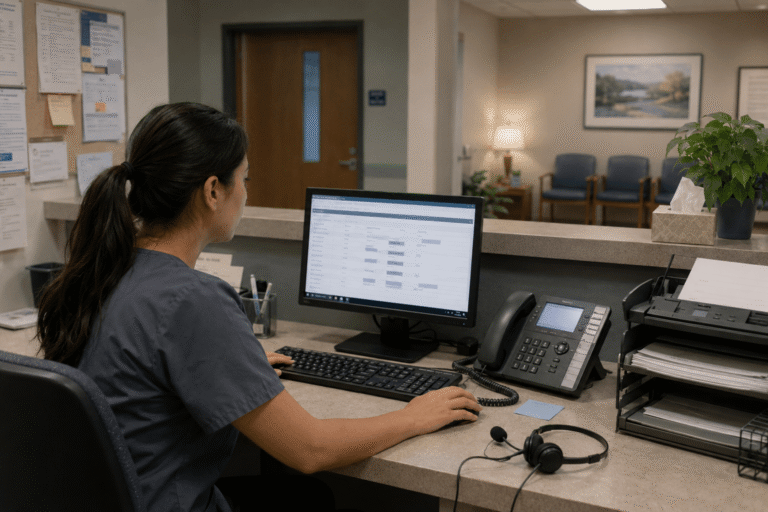

Clinics across the United States from bustling trauma centers in Maryland to integrative practices in Oregon and direct primary care offices in Texas face a common challenge. Patients expect seamless communication, whether booking an appointment, receiving test results, or following up after a virtual visit. Yet many practices still juggle disconnected tools for phone calls, texts, faxes, and telehealth sessions. The result? Frustrated staff, missed connections, and patients who feel anything but cared for.
Missed calls, scattered text messages, voicemails buried in separate apps disrupt patient care and expose practices to compliance risks. Erodes patient trust, longer waits and wasted staff time. RingRx changes that by combining voice, secure texting, fax, video visits, and on-call scheduling into one intuitive, fully HIPAA-compliant platform designed specifically for medical workflows. See how your practice can grow, run more smoothly, and deliver a better experience for every patient. Sign Up for RingRx Free Trial today!
Why Reliable Communication Is Essential in Today’s Healthcare Landscape
Today’s patients demand convenience without sacrificing privacy or quality of care. They want to book appointments online, receive prompt responses to questions, and access telehealth services for needs ranging from anxiety management to metabolic health consultations. Practices that deliver smooth, secure interactions consistently achieve higher patient satisfaction, stronger adherence to treatment plans, and fewer missed appointments.
However, many clinics still rely on a patchwork of generic tools a standard phone system, consumer messaging apps, and separate video platforms. This fragmentation often leads to dropped calls, insecure transmissions, and administrative burdens that distract providers from their core mission: delivering exceptional patient care.
The Hidden Costs of Disconnected Communication Systems
Transitioning to a new platform may initially seem disruptive. Staff often worry about learning curves, potential downtime, and whether the system can truly manage the full spectrum of needs including phone routing during peak hours, secure texting for sensitive updates, reliable faxing for referrals, and high-quality video for remote consultations. These concerns are valid when patient care and operational efficiency are at stake.
Cost and compliance add further complexity. While lower-priced options might appear attractive, they frequently introduce hidden fees or security vulnerabilities. Healthcare requires more than basic functionality it demands purpose-built tools that align with strict privacy standards and real-world clinical workflows.
How Patient Engagement Solutions Drive Better Outcomes
Patient engagement solutions play a vital role in modern care by facilitating everything from appointment reminders to secure sharing of medical history. These tools foster stronger partnerships between patients and providers, ultimately enhancing treatment outcomes and building lasting trust. According to verified industry data, the global patient engagement solutions market attained a value of approximately USD 26.63 Billion in 2025, underscoring the growing emphasis on technologies that keep patients actively connected to their care teams.
What Distinguishes a True Healthcare-First Communication Platform
The most effective solutions place real medical needs above generic business features. A unified, HIPAA-compliant platform integrates phone, secure text, fax, and video into one intuitive system. This approach enables advanced call routing that directs urgent matters appropriately, protects sensitive information through encrypted messaging, and supports clinical video consultations designed specifically for professional interactions rather than everyday chats.
Practices gain the advantage of transparent pricing with no unexpected charges, allowing confident budgeting. Additional capabilities such as on-call scheduling, voicemail transcription, and seamless mobile integration help teams remain responsive whether working in the office or remotely. Organizations ranging from large health systems like CommonSpirit Health to specialized home health providers benefit from this streamlined coordination without added complexity.
Essential Features Every Clinic Should Evaluate
- Unified Communications Hub: A single dashboard managing phone, secure text, fax, and video to eliminate constant tool-switching.
- Intelligent Healthcare Routing: Smart call handling that respects on-call schedules and clinical urgency levels.
- Comprehensive HIPAA Compliance: Built-in privacy protections with detailed logging and audit trails across all channels.
- Clear, Transparent Pricing: Predictable costs without hidden fees for straightforward financial planning.
- Flexible Mobile and Desktop Access: Reliable performance that supports hybrid and remote care models.
Overcoming Common Concerns About Platform Transitions
Reliability during high-volume periods is a frequent priority. Can the system manage the blend of voice, text, and fax that clinics rely on daily? Healthcare-specific platforms address this through robust, purpose-built infrastructure rather than adapting consumer-grade tools.
HIPAA compliance must be foundational, not an afterthought. Look for solutions featuring strong encryption, comprehensive audit capabilities, and logging that supports regulatory requirements. Unlike basic alternatives, platforms engineered for healthcare ensure every communication channel meets the same high standards.
Concerns about implementation disruption are understandable. Yet clinics that choose well-designed systems with dedicated onboarding support often experience minimal downtime and discover simplified daily operations. The long-term gains include reduced administrative errors, more time for patient-focused work, and improved relationships across the practice.
Real-World Benefits Across Diverse Healthcare Settings
Mental health clinics balancing in-person and virtual sessions, metabolic health practices emphasizing lifestyle interventions, urgent care centers, and home health agencies all experience tangible improvements with a unified platform. Secure text follow-ups, quick phone clarifications for prescriptions, and professional video visits feel as natural and effective as traditional in-office interactions.
Both large health networks and independent practices report smoother workflows. Staff dedicate less time to managing scattered messages and more time supporting patients. Patients, in turn, appreciate the consistency whether confirming appointments, receiving secure lab results, or connecting with providers outside regular hours.
Moving Beyond Generic Telehealth and Messaging Tools
Consumer video platforms and standard messaging services frequently fall short in clinical environments. They often lack sophisticated routing for after-hours coverage or the depth of security that healthcare regulations require. A platform specifically engineered for medical practices bridges these gaps, transforming communication into a seamless extension of care delivery instead of an ongoing administrative challenge.
Clinics that adopt such solutions commonly observe enhanced patient retention and greater staff satisfaction. The right system supports everything from routine check-ins at urgent care facilities to specialized assessments in behavioral health or psychological practices.
Choosing the Right Communication Partner for Your Practice
Begin by identifying your most pressing pain points. Are missed calls or insecure messaging creating gaps in care? Is your team spending too much time navigating multiple disconnected systems? The ideal solution should integrate naturally into existing workflows rather than adding new obstacles.
Prioritize providers that demonstrate a thorough understanding of healthcare’s unique demands. Transparent operations, proven compliance records, and practical, industry-specific features deliver the greatest long-term value. Evaluate how well the platform accommodates your particular mix of services whether in primary care, behavioral health, home health, or specialized therapy.
Communication as the Foundation of Exceptional Patient Care
In an era where both patients and providers expect technology to enhance rather than complicate care, selecting the right unified communication platform represents a strategic investment. It goes far beyond replacing outdated phones or simply adding video capabilities. Instead, it establishes reliable, secure, and efficient connections that allow clinics to concentrate on healing rather than troubleshooting technical issues.
For practices throughout the United States spanning small direct primary care offices to expansive health networks a healthcare-first approach brings clarity to a complex environment. When phone, secure text, fax, and telehealth function together seamlessly, supported by transparent pricing and rigorous compliance, the benefits extend to everyone involved. Patients feel genuinely heard and supported. Care teams reclaim valuable time. And the practice as a whole operates with greater confidence and effectiveness.
Ultimately, success depends on partnering with a solution built specifically for the demands of healthcare. One that converts potential points of friction into fluid, patient-centered experiences and reinforces the human connection at the heart of medicine. Practices that make this choice position themselves to thrive while delivering the high-quality, responsive care patients deserve.
Frequently Asked Questions
What features should I look for when choosing a telehealth platform for my clinic?
When evaluating a telehealth platform, prioritize a unified communications hub that combines phone, secure text, fax, and video in one dashboard. Look for intelligent call routing, comprehensive HIPAA compliance with audit trails, transparent pricing with no hidden fees, and flexible mobile and desktop access. Platforms built specifically for healthcare workflows rather than adapted consumer tools best meet the demands of clinical environments.
How does a HIPAA-compliant communication platform improve patient care?
A HIPAA-compliant platform protects sensitive patient information through encrypted messaging and detailed audit logging across all communication channels, reducing compliance risk. Beyond security, it streamlines workflows by eliminating fragmented tools, so staff spend less time managing scattered messages and more time supporting patients. The result is stronger patient trust, fewer missed appointments, and better adherence to treatment plans.
Is switching to a new telehealth communication system disruptive for a medical practice?
Concerns about transition disruption are common, but clinics that choose purpose-built healthcare platforms with dedicated onboarding support typically experience minimal downtime. The long-term benefits reduced administrative errors, simplified daily operations, and more time for patient-focused work far outweigh the short-term adjustment period. Both small independent practices and large health networks report smoother workflows after making the switch.
Disclaimer: The above helpful resources content contains personal opinions and experiences. The information provided is for general knowledge and does not constitute professional advice.
You may also be interested in: RingRx vs. Spruce Health: Compare VoIP for Healthcare Practices
Missed calls, scattered text messages, voicemails buried in separate apps disrupt patient care and expose practices to compliance risks. Erodes patient trust, longer waits and wasted staff time. RingRx changes that by combining voice, secure texting, fax, video visits, and on-call scheduling into one intuitive, fully HIPAA-compliant platform designed specifically for medical workflows. See how your practice can grow, run more smoothly, and deliver a better experience for every patient. Sign Up for RingRx Free Trial today!
Powered by flareAI.co