
Outdated phone systems quietly drain resources. Practices across the country from trauma specialists in Maryland to integrative health clinics and pediatric direct primary care providers still wrestle with fragmented calls, missed faxes, and unreliable routing that waste staff time and frustrate patients. Yet a quieter revolution is underway: cloud-based phone systems tailored for medical workflows are stepping in to cut those hidden costs while tightening compliance and improving care coordination.
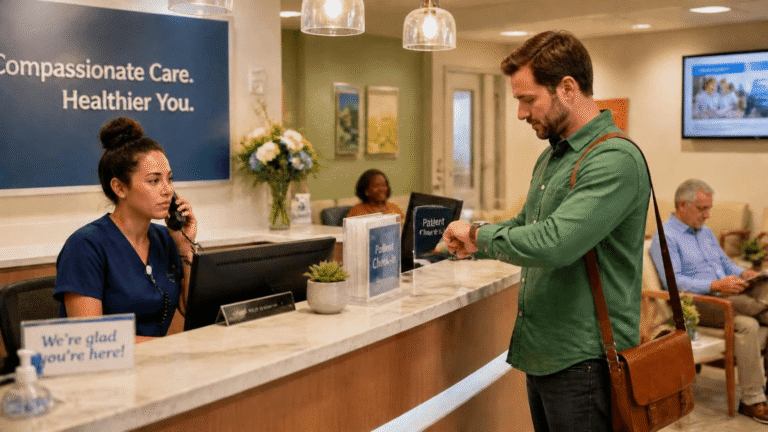
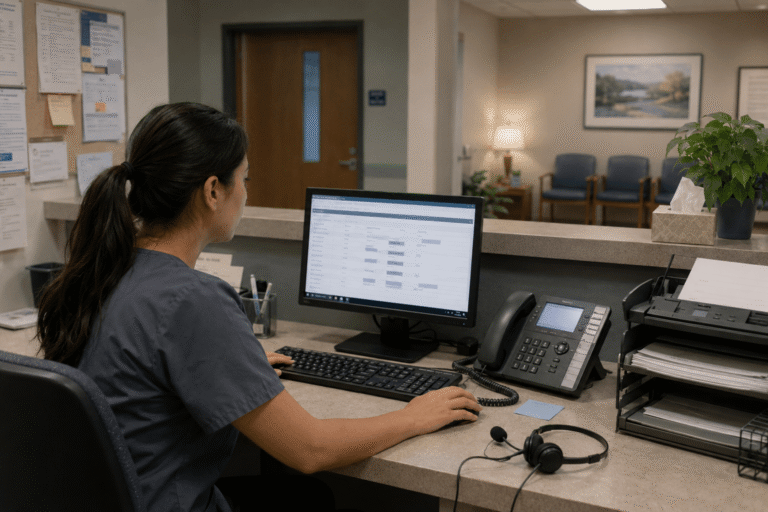
Consider the daily reality for a busy urgent care clinic in Oklahoma or a home health provider serving elderly patients in Wisconsin. Receptionists juggle incoming calls, appointment requests, prescription refills, and urgent messages, often across multiple disconnected tools. The result? Longer hold times, duplicated efforts, and administrative overhead that pulls focus from actual patient care. Modern cloud solutions address these pain points by unifying voice, text, fax, and routing into one secure platform delivering measurable relief to the bottom line.
Missed calls, scattered text messages, voicemails buried in separate apps disrupt patient care and expose practices to compliance risks. Erodes patient trust, longer waits and wasted staff time. RingRx changes that by combining voice, secure texting, fax, video visits, and on-call scheduling into one intuitive, fully HIPAA-compliant platform designed specifically for medical workflows. See how your practice can grow, run more smoothly, and deliver a better experience for every patient. Sign Up for RingRx Free Trial today!
The Hidden Costs of Traditional Phone Systems in Healthcare
Legacy phone setups, with their on-premise hardware and rigid infrastructure, carry expenses that extend far beyond the monthly bill. Maintenance contracts, hardware upgrades, and the need for dedicated IT support add up quickly. When lines go down or routing fails during peak hours, practices lose appointments, delay critical follow-ups, and risk patient dissatisfaction that can drive people elsewhere.
For smaller independent providers like psychological assessment centers or soul-centered therapy practices, these disruptions feel especially acute. Staff spend valuable time manually forwarding calls, chasing paper faxes, or troubleshooting voicemail issues instead of focusing on clinical work. Across larger networks, the inefficiency multiplies. The shift to value-based care has only amplified the pressure: better communication directly supports better outcomes, fewer no-shows, and stronger patient loyalty.
How Cloud Phone Systems Streamline Operations and Cut Waste
Cloud phone platforms built specifically for healthcare replace this chaos with intelligent, flexible tools. Calls route automatically based on schedules or specialty. Secure messaging handles quick patient questions without tying up phone lines. Web-based faxing eliminates scanning and lost documents, while mobile apps let providers stay connected from anywhere without compromising privacy.
The efficiency gains are immediate and practical. Automated reminders for appointments or follow-up instructions reduce missed visits. On-call scheduling becomes seamless, preventing gaps in coverage. Staff reclaim hours each week that once vanished into administrative friction time that can be redirected toward patient interactions or direct care. Practices report smoother front-office workflows, fewer dropped calls, and a noticeable drop in the stress that comes from unreliable systems.
Real-World Impact on Practices Like Yours
Providers serving diverse needs from anxiety and stress centers in Oregon to metabolic health clinics and family-first urgent care share common communication challenges. A trauma therapy practice managing EMDR intensives needs reliable, confidential channels for sensitive scheduling. A direct primary care pediatrician offering unlimited visits and same-day access relies on effortless text and phone connectivity to maintain that personal touch without administrative overload.
Cloud systems meet these varied demands through healthcare-specific features. Unified platforms handle everything in one HIPAA-compliant environment, reducing the risk of errors that occur when juggling separate tools. Providers gain the freedom to customize routing, greetings, and hold options to match their unique patient experience. The outcome is fewer bottlenecks, faster response times, and operations that feel more responsive and professional.
Enhancing Patient Engagement Through Reliable Communication
In today’s healthcare landscape, effective communication forms the foundation of strong patient engagement. As healthcare organizations increasingly adopt patient-centered care models, technologies that improve interaction and collaboration between patients and providers deliver better clinical outcomes and greater operational efficiency. Reliable phone, text, and fax systems integrate seamlessly with existing clinical tools, supporting care coordination and long-term health management across hospitals, clinics, and care networks.
In the United States, the emphasis on value-based care and personalized experiences continues to drive demand for solutions that keep patients informed and involved. With chronic conditions such as diabetes affecting millions, consistent outreach through secure channels helps providers send timely reminders, share educational materials, and maintain ongoing dialogue that improves adherence and satisfaction.
Strengthening HIPAA Compliance Without Added Complexity
One of the biggest concerns when upgrading communications is maintaining strict patient privacy. Cloud platforms designed for healthcare embed compliance from the ground up, with automatic audit logs, secure channels for voice, text, fax, and video, and built-in safeguards that go beyond basic business tools. This approach removes the burden of piecing together compliant solutions or worrying about overlooked vulnerabilities.
For organizations like home health and hospice providers or large care networks, this unified security brings peace of mind. Sensitive information flows safely between team members and patients, whether through encrypted messaging or protected video visits. Practices avoid the costly fines and reputational damage associated with breaches while meeting regulatory expectations more easily than with patchwork legacy systems.
Optimizing Scheduling and Workflow Efficiency
Efficient patient scheduling stands as a cornerstone of smooth practice operations. Modern cloud phone systems integrate intelligent routing and automated tools that help manage appointment requests, on-call coverage, and follow-ups with minimal manual intervention. This capability aligns with the broader adoption of medical scheduling software, which supports patient-centric workflows and helps practices optimize daily operations.
By reducing administrative friction in scheduling and communication, providers can focus more on clinical care and less on logistical challenges. The result is improved patient flow, reduced no-shows, and a more professional experience that reinforces trust from the first point of contact.
Addressing Common Objections to Making the Switch
Many healthcare leaders hesitate to change phone systems, fearing disruption to daily routines or uncertainty about reliability across calls, texts, and faxing. These concerns are understandable patient care cannot afford downtime. Yet well-designed cloud solutions minimize transition risks through careful planning, staff training, and phased implementation that keeps core operations running smoothly.
Questions about value compared with cheaper alternatives often center on proven reliability and healthcare-specific features. Transparent pricing models eliminate surprise fees, while the platform’s focus on real medical workflows delivers efficiencies that generic tools rarely match. Practices discover that the combination of security, customization, and time savings quickly offsets any initial adjustment period, creating a more resilient communication foundation.
- Reliability during peak hours: Intelligent routing prevents dropped calls and ensures urgent messages reach the right team member.
- Compliance built-in: Automatic logging and encryption reduce audit burdens and protect sensitive data.
- Scalability for growth: Cloud infrastructure adapts easily as practices expand or integrate new services like telehealth.
Market Context and Practical Benefits
The broader healthcare technology landscape continues to emphasize patient-centered approaches and operational efficiency. Patient engagement solutions play a growing role in care coordination and satisfaction. In this environment, reliable communication infrastructure becomes a strategic advantage rather than a mere utility.
Cloud phone systems contribute by reducing administrative burdens that indirectly support better clinical focus. They help practices manage scheduling more effectively and maintain consistent contact with patients across different care settings whether in urgent care, specialty assessments, or ongoing home health support. The practical result is smoother operations that free resources for what matters most: delivering compassionate, high-quality care.
Making the Transition Work for Your Practice
Adopting a cloud-based system does not require overhauling every process at once. Many providers begin by consolidating voice and secure messaging, then layer in faxing and advanced routing as comfort grows. The key is choosing a partner that understands medical workflows and offers clear support throughout the change.
For clinics and providers already using patient portals or telehealth options, integration potential adds further value. The goal remains straightforward: create communication that feels effortless for both staff and patients while protecting sensitive information and controlling costs. When systems work in the background rather than demanding constant attention, everyone benefits.
Looking Ahead: Communication as a Strategic Asset
As healthcare delivery evolves toward more personalized and coordinated models, the tools that support daily interactions must keep pace. Cloud phone systems represent more than a technology upgrade they offer a practical way to reduce hidden operational costs, strengthen compliance, and enhance the overall patient and provider experience.
Practices that embrace these solutions often find that small improvements in communication ripple outward: shorter wait times, fewer administrative errors, higher staff satisfaction, and patients who feel genuinely heard and supported. In an industry where efficiency and empathy must coexist, modern cloud communications help strike that balance without adding complexity or unexpected expenses.
The quiet savings accumulate over time not just in dollars, but in reclaimed focus, reduced stress, and the confidence that comes from systems designed to serve healthcare rather than hinder it. For providers committed to sustainable, patient-first operations, exploring cloud phone solutions may be one of the most straightforward steps toward lasting efficiency.
Frequently Asked Questions
How do cloud phone systems help reduce costs for hospitals and medical practices?
Cloud phone systems eliminate the ongoing expenses tied to legacy infrastructure including hardware maintenance, IT support contracts, and costly downtime during peak hours. By unifying voice, text, fax, and call routing into a single platform, they cut administrative overhead and reduce staff time lost to manual call forwarding, missed faxes, and voicemail troubleshooting. Practices also see indirect savings through fewer missed appointments (thanks to automated reminders) and lower staff turnover driven by reduced workflow frustration.
Are cloud-based phone systems for healthcare HIPAA compliant?
Yes healthcare-specific cloud phone platforms are built with HIPAA compliance at their core, featuring automatic audit logs, end-to-end encryption for voice, text, fax, and video, and secure channels that meet federal privacy standards. Unlike generic business phone tools that may require patchwork add-ons to approach compliance, purpose-built medical platforms embed these safeguards by default. This reduces the risk of costly data breaches and regulatory fines while easing the burden of audits for clinics, home health providers, and large care networks alike.
How difficult is it to transition from a traditional phone system to a cloud phone system in a healthcare setting?
The transition is more gradual and manageable than many providers expect most practices start by consolidating voice and secure messaging, then expand to web-based faxing and intelligent call routing as staff become comfortable with the platform. Choosing a vendor that specializes in medical workflows is key, as they can offer tailored onboarding support and integrate with existing tools like patient portals and telehealth platforms. The result is minimal disruption paired with immediate operational gains, including faster response times, smoother front-office workflows, and communication infrastructure that scales as the practice grows.
Disclaimer: The above helpful resources content contains personal opinions and experiences. The information provided is for general knowledge and does not constitute professional advice.
You may also be interested in: Hospitals and Enterprise – RingRx
Missed calls, scattered text messages, voicemails buried in separate apps disrupt patient care and expose practices to compliance risks. Erodes patient trust, longer waits and wasted staff time. RingRx changes that by combining voice, secure texting, fax, video visits, and on-call scheduling into one intuitive, fully HIPAA-compliant platform designed specifically for medical workflows. See how your practice can grow, run more smoothly, and deliver a better experience for every patient. Sign Up for RingRx Free Trial today!
Powered by flareAI.co