
Quick Listen:
Effective communication forms the foundation of successful care coordination in healthcare. When providers, care teams, patients, and families share information clearly and promptly, it can support clearer handoffs, follow-up, and coordination across the care journey. For healthcare administrators, clinical operations managers, and care coordinators, strengthening these channels addresses persistent gaps that disrupt workflows and patient experiences.
Missed calls, scattered text messages, and voicemails buried in separate apps can slow patient communication and add compliance risk. RingRx brings voice, secure texting, fax, video, and on-call communication into one platform designed to support HIPAA-compliant healthcare communication workflows. Start your RingRx free trial today.
Key Takeaways
- Structured communication during care transitions helps prevent medication errors and conflicting instructions that commonly arise when patients move between hospital and home settings.
- Clear handoffs and follow-up protocols enable teams to align on treatment plans and support needs more effectively.
- Technology that organizes calls, messages, and documentation can reduce administrative burden while maintaining security and compliance standards.
- Proactive outreach after discharge catches emerging issues early and reinforces patient engagement in their care plan.
- Consistent communication practices build trust and encourage better adherence to recommended treatments and follow-ups.
What Makes Care Coordination Challenging?
Care coordination involves aligning multiple providers, settings, and services around a patient’s needs. Hospitals, specialists, primary care practices, and home health agencies must work together consistently. Yet handoffs between these groups often introduce friction. Critical details about medications, follow-up appointments, or changing conditions can get lost or misinterpreted without reliable channels.
These gaps create real operational strain. Staff spend extra time tracking down information. Patients receive conflicting guidance. Readmission risks increase when post-discharge support falls through. Addressing these issues starts with recognizing communication as the connective tissue that holds coordinated care together.
The Role of Communication During Transitions of Care
Transitions between hospital and home or other facilities rank among the most vulnerable periods in patient management. During these moments, risks of adverse events and miscommunication rise quickly. Transitions of care between hospital settings and home or other facilities represent some of the most vulnerable moments in patient management, where risks of adverse events, medication errors, and miscommunication can escalate quickly. Effective care transitions and communication strategies focus on exchanging accurate details about conditions, treatment plans, and follow-up requirements among all involved parties.
Structured approaches such as standardized handoff tools, clear discharge summaries, and shared records help flag critical updates. Proactive follow-up calls after discharge allow teams to confirm understanding and address concerns before small issues escalate. These practices support smoother coordination and empower patients to participate actively in their recovery.
Practical Strategies to Strengthen Healthcare Team Collaboration
Improving communication between healthcare providers requires both process and technology improvements. Start by establishing clear protocols for handoffs that specify who needs what information and when. Regular team check-ins, even brief ones, help surface potential gaps early.
Patient-centered communication also matters. Providing straightforward instructions in plain language and confirming comprehension reduces confusion. When care teams document and share updates consistently, everyone stays aligned on the current plan of care. This reduces rework and helps prevent patients from falling through cracks during complex episodes.
Another effective step involves setting expectations for response times on non-urgent messages and routing urgent matters to the right person immediately. Such clarity minimizes delays that frustrate both staff and patients while supporting safer, more efficient workflows.
How Secure Communication Systems Support Coordination
Modern healthcare communication systems can reduce friction in care coordination when designed with clinical workflows in mind. Features that organize calls, texts, voicemails, and faxes can help teams locate information more quickly. Secure messaging channels that respect privacy requirements allow for timely updates between providers.
Automated routing ensures the appropriate clinician or staff member receives time-sensitive information. After-hours protocols with clear escalation paths maintain continuity when the primary team is unavailable. These capabilities support the reliable information exchange needed for effective coordination across settings.
Importantly, such systems must prioritize compliance. Solutions built with HIPAA requirements in mind provide audit visibility and access controls that help practices meet their obligations. While technology alone does not guarantee compliance, it can support the policies and behaviors that protect patient information during collaborative care.
Benefits for Patients and Care Teams
When communication flows smoothly, patients experience more consistent guidance and fewer surprises in their care journey. Clear instructions and timely follow-up contribute to better understanding and adherence. Providers and staff benefit from reduced administrative burden and fewer interruptions chasing missing details.
Discharging patients from hospitals to home health or community settings marks a critical juncture where the quality of care coordination often determines whether outcomes improve or deteriorate. Systematic approaches that combine pre-discharge patient education, contact with local healthcare services before discharge, and post-discharge follow-up calls significantly boost both patient safety and satisfaction. Hospital-to-home transitions and coordinated care interventions address the gaps that arise when information about medications, follow-up appointments, and support needs does not travel consistently between hospital teams and community providers. These efforts help prevent patients from falling through cracks, identify emerging issues promptly, and connect individuals with additional resources. When executed well, such coordinated communication strategies can reduce missed handoffs and help patients receive clearer follow-up information.
How RingRx Helps
- Route calls so the right person gets the right information at the right time, supporting timely handoffs during care transitions.
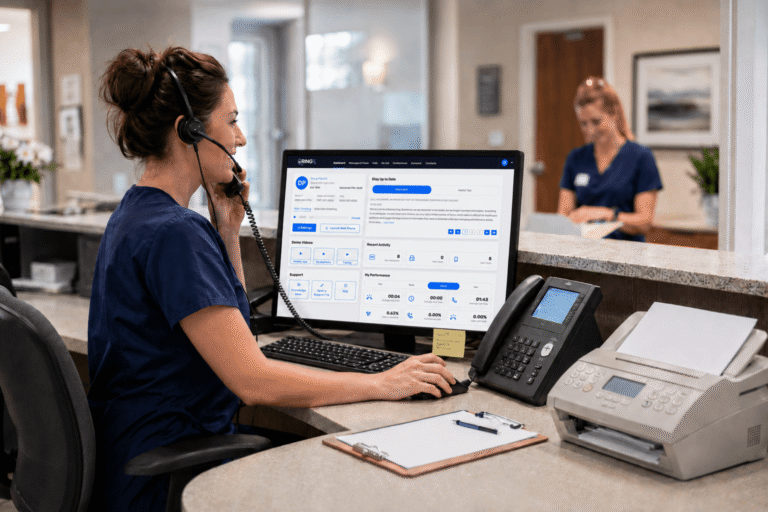
- Keep phone, text, voicemail, and fax communication organized so care teams can find and respond to messages more efficiently.
- Support after-hours workflows with clear escalation rules that help maintain continuity of care.
- Reduce unwanted calls and spam while ensuring legitimate patient messages reach the appropriate staff quickly.
- Provide transparent pricing and reliable performance that simplifies budgeting for communication tools.
Building Stronger Coordination Practices
Improving healthcare communication requires ongoing attention to both human processes and supporting technology. Start by assessing current handoff procedures and identifying where information commonly gets lost. Engage frontline staff in designing solutions they know the daily friction points best.
Consider piloting structured communication tools or protocols in one area, such as discharge planning, before expanding. Measure success through practical indicators like staff time saved on follow-ups or fewer reported coordination issues rather than dramatic claims. Regular review keeps practices aligned with evolving patient needs and regulatory expectations.
Strong communication does not eliminate every challenge in care coordination, but it addresses one of the most preventable sources of friction. By focusing on clear, secure, and well-organized information exchange, healthcare organizations can support better collaboration, smoother transitions, and improved experiences for both patients and care teams.
Frequently Asked Questions
Does effective communication help prevent medication errors and readmissions in healthcare care coordination?
Structured communication during transitions of care can reduce missed information and conflicting instructions when patients move between hospital and home settings.
How does secure communication technology support healthcare team collaboration and patient engagement?
Organized communication channels, configured routing, and after-hours escalation protocols can reduce administrative delays and support coordination across providers.
What common questions do patients and teams have about healthcare communication that RingRx addresses?
Patients often seek plain-language instructions and confirmation of understanding, while teams need reliable channels to avoid missed follow-ups. RingRx provides secure, role-based communication that routes urgent matters promptly and can support continuity of communication.
Disclaimer: This article is for general informational purposes and is not legal advice. Practices should review communication, privacy, and compliance policies with their legal, compliance, or administrative teams.
You may also be interested in: Why Secure Patient Communication Matters in Healthcare Practices
Missed calls, scattered text messages, and voicemails buried in separate apps can slow patient communication and add compliance risk. RingRx brings voice, secure texting, fax, video, and on-call communication into one platform designed to support HIPAA-compliant healthcare communication workflows. Start your RingRx free trial today.
Powered by flareAI.co