
Quick Listen:
Healthcare practices often face a common frustration: patients calling during busy times only to encounter busy signals, long holds, or voicemail. Improving patient call accessibility helps practices respond more reliably, reduce patient anxiety, and strengthen care relationships. Practices that streamline how they manage incoming calls see better patient satisfaction and smoother daily operations.
Missed calls, scattered text messages, and voicemails buried in separate apps can slow patient communication and add compliance risk. RingRx brings voice, secure texting, fax, video, and on-call communication into one platform designed to support HIPAA-compliant healthcare communication workflows. Start your RingRx free trial today.
Key Takeaways
- Cloud-based phone systems allow teams to handle multiple calls efficiently and can help reduce abandoned calls during peak hours.
- Combining phone systems with patient portals gives patients convenient options for routine needs, freeing staff for urgent matters.
- Clear call routing, triage protocols, and after-hours workflows help ensure patients reach the right person quickly.
- Practices benefit from measuring call patterns and adjusting staffing or automation to match real demand.
- Secure, HIPAA-compliant communication tools support both phone and digital channels without adding complexity.
What Challenges Do Practices Face with Patient Phone Access?
Busy medical offices frequently deal with high call volumes concentrated in short windows, especially first thing in the morning. Patients may wait on hold, hang up, or struggle to schedule needed care. These issues create missed opportunities for timely care and add stress for both patients and front-desk teams.
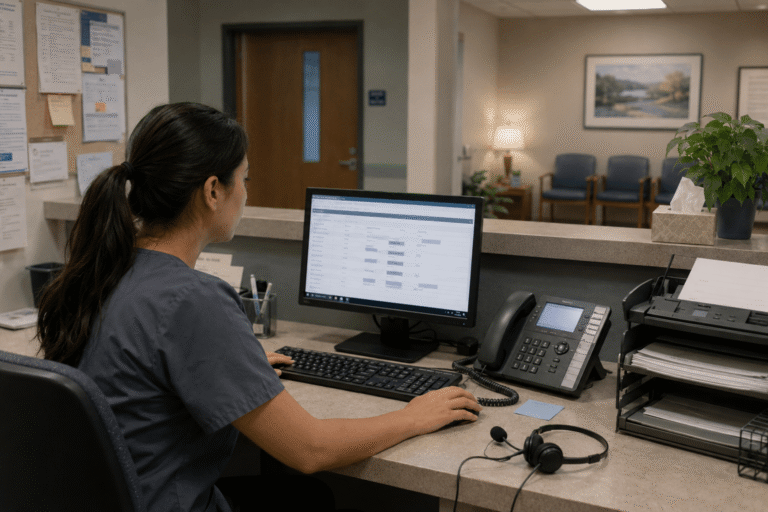
Traditional phone setups often lack flexibility. Reception staff juggle multiple lines while managing in-person check-ins, leading to dropped calls or delayed responses. Without real-time visibility into call patterns, practices find it hard to adjust resources effectively. The result is longer wait times and patients feeling unheard.
Practices also manage after-hours calls, urgent needs, and follow-up requests. Without organized escalation paths or clear protocols, important messages can get lost in voicemail inboxes. This gap affects continuity of care, particularly for patients with chronic conditions who need reliable communication.
How Do Modern Phone Systems Address These Issues?
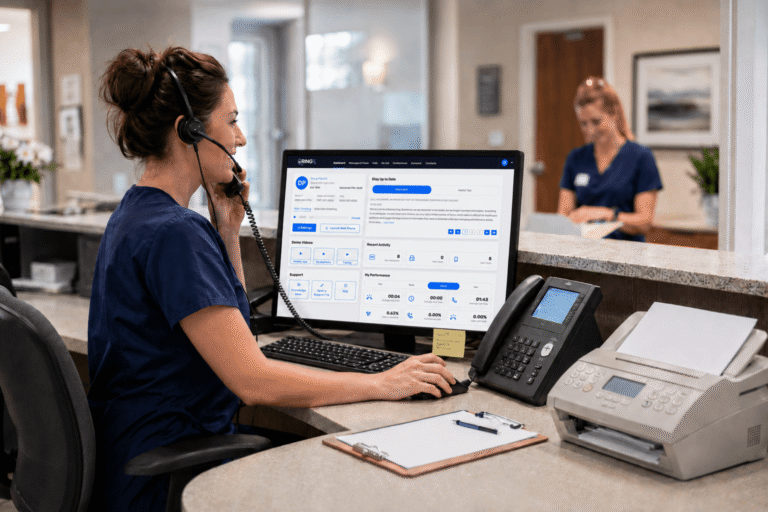
Many practices now use cloud-based phone technology that supports handling multiple incoming calls simultaneously. This approach helps teams answer more calls without adding headcount and reduces the traditional morning rush pressure. Real-time data on call volumes lets administrators identify peak periods and deploy extra support during those windows.
Healthcare practices across England rolled out cloud-based phone systems that let teams answer multiple incoming calls at once, directly addressing the common pain point of patients struggling to reach their doctor during busy periods. The upgrades enabled practices to expand capacity without adding staff and helped address the traditional 8am rush for appointments. One clinic reduced abandoned calls by more than 90 percent simply by monitoring real-time data on peak hours and deploying extra reception staff during those windows. Another focus area involved identifying high-volume patients and creating dedicated care pathways that reduced their appointment needs by 75 percent while freeing up resources for others. Staff training emphasized quick triage so patients needing a same-day GP slot could connect immediately with the right clinician.
Automated features like intelligent routing direct calls to the appropriate team member based on the reason for the call. Patients seeking prescription refills, test results, or appointment scheduling reach the right extension faster. This reduces transfer loops and wait times while helping staff work more efficiently.
What Role Does Patient Portal Integration Play?
Patient portals and smartphone health apps complement phone systems by giving patients self-service options for many routine tasks.
Patient portals and smartphone health apps have become essential tools that give people greater control over their health records and interactions with providers, complementing traditional phone calls by offering convenient ways to handle routine questions and schedule visits outside peak hours. In recent data, more than three-quarters of individuals with a recent cancer diagnosis and two-thirds with chronic conditions accessed their records, compared with a national average of 65 percent. When providers actively encouraged patients to use these tools, access rates jumped to 87 percent, with users viewing test results and clinical notes at much higher frequencies.
Proxy or caregiver access doubled between 2020 and 2024, reflecting the growing role of family members in supporting loved ones managing ongoing care. App-based access rose from 38 percent in 2020 to 57 percent in 2024, while web-only usage declined, showing patients prefer mobile-friendly options that fit busy lifestyles. Practices that integrate portal messaging with phone systems see reduced call volumes because patients can address many needs digitally, freeing front-desk staff for complex scheduling and clinical follow-up.
This hybrid model phone for urgent needs and portals for routine updates creates more accessible overall communication while reducing pressure on phone lines.
What Practical Strategies Improve Call Handling?
Effective call management starts with understanding current patterns. Practices benefit from reviewing peak call times and common request types. With this insight, teams can design better triage processes so patients needing same-day care connect quickly with the right clinician.
Creating dedicated pathways for high-volume patients helps reduce repeat appointment needs while maintaining quality care. Staff training on quick assessment and routing ensures efficient handoffs. These steps improve continuity, especially for vulnerable patients who need reliable follow-up.
After-hours coverage and on-call protocols are equally important. Clear escalation rules prevent messages from falling through the cracks. Automated attendants can provide basic information or direct urgent calls appropriately, maintaining service outside regular hours without constant manual oversight.
Reducing spam and unwanted calls also protects accessibility for real patients. Features that filter nuisance traffic without blocking legitimate callers keep lines open for those who need them most.
How Can Practices Measure and Sustain Improvements?
Success depends on ongoing attention to a few key indicators: first-contact resolution rates, average wait times, and abandoned call percentages. Regular reviews help teams refine processes and adjust automation or staffing as needs evolve.
Practices that combine technology with clear team protocols see the best results. The focus stays on practical outcomes fewer missed connections, smoother workflows, and patients who feel supported rather than frustrated. This approach maintains the human element that matters in healthcare while leveraging tools that make communication more reliable.
How RingRx Helps
- Route calls so the right person gets the right call quickly.
- Support after-hours workflows with clear escalation rules.
- Reduce spam and unwanted calls while keeping lines open for patients.
- Keep communication organized across phone, text, voicemail, and fax.
- Use transparent pricing to simplify budgeting and reduce surprises.
Smarter Patient Call Management
Improving patient call accessibility requires a balanced approach that combines reliable technology, thoughtful processes, and ongoing measurement. Practices that invest in modern phone systems and integrate them with patient portals create more resilient communication channels. The result is better access for patients, less strain on teams, and stronger overall care delivery. By focusing on practical improvements rather than one-size-fits-all solutions, healthcare organizations can make meaningful progress in how patients reach them when it matters most.
Frequently Asked Questions
How can healthcare practices improve patient call accessibility?
Healthcare practices can improve patient call accessibility by using cloud-based phone systems, intelligent call routing, automated attendants, and clear call triage processes. Integrating phone systems with patient portals also reduces routine call volume, allowing staff to respond more quickly to urgent patient needs.
Why is patient call accessibility important for healthcare providers?
Good patient call accessibility helps ensure patients can schedule appointments, receive test results, request prescription refills, and reach the appropriate care team without unnecessary delays. This improves patient satisfaction, strengthens continuity of care, and reduces missed communication.
What features should a healthcare phone system include?
A healthcare phone system should include HIPAA-compliant communication, intelligent call routing, voicemail management, secure messaging, call analytics, after-hours call handling, and support for voice, fax, and video communication to streamline patient interactions.
Disclaimer: This article is for general informational purposes and is not legal advice. Practices should review communication, privacy, and compliance policies with their legal, compliance, or administrative teams.
You may also be interested in: RingRx Resources
Missed calls, scattered text messages, and voicemails buried in separate apps can slow patient communication and add compliance risk. RingRx brings voice, secure texting, fax, video, and on-call communication into one platform designed to support HIPAA-compliant healthcare communication workflows. Start your RingRx free trial today.
Powered by flareAI.co