
Quick Listen:
Imagine missing a critical follow-up call from your doctor because you’re stuck in traffic, or struggling to explain symptoms over a crackling phone line while juggling work and family. For millions of patients, these frustrations were once routine. Today, telehealth is quietly transforming how we connect with healthcare providers, turning fragmented conversations into seamless, timely exchanges that put people at the center of their own care.
What began as a pandemic-era necessity has evolved into a fundamental shift in patient communication. Secure video visits, real-time messaging, and integrated platforms now allow doctors, nurses, and specialists to collaborate instantly while keeping patients informed and engaged. The result is not just convenience it’s better health outcomes, reduced anxiety, and a more human approach to medicine.
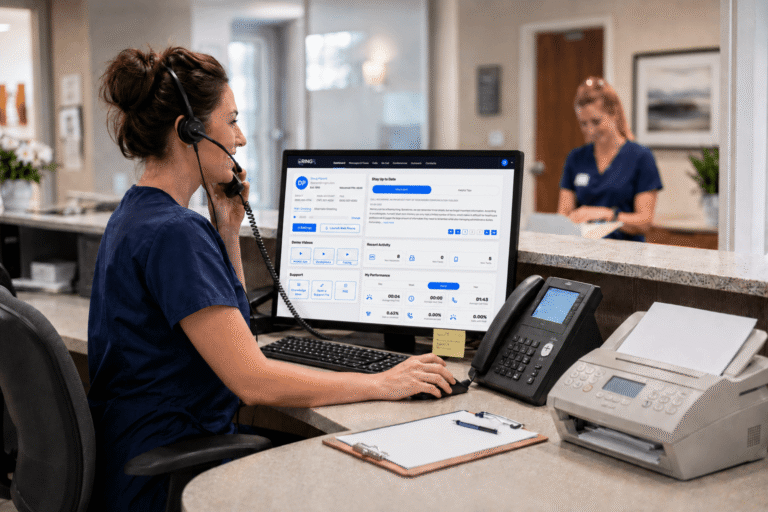
Missed calls, scattered text messages, voicemails buried in separate apps disrupt patient care and expose practices to compliance risks. Erodes patient trust, longer waits and wasted staff time. RingRx changes that by combining voice, secure texting, fax, video visits, and on-call scheduling into one intuitive, fully HIPAA-compliant platform designed specifically for medical workflows. See how your practice can grow, run more smoothly, and deliver a better experience for every patient. Sign Up for RingRx Free Trial today!
The Shift from Pagers to Instant Connection
Not long ago, healthcare teams relied on outdated tools like pagers and fragmented phone systems to coordinate care. Delays were common, and important details sometimes slipped through the cracks. Telehealth combined with modern clinical communication platforms has changed that landscape dramatically.
Cloud-based systems now replace legacy pagers, streamlining workflows and cutting unnecessary alerts. These tools integrate with electronic health records, enabling secure sharing of patient information across teams without the old bottlenecks. For patients, this means faster responses to questions, quicker adjustments to treatment plans, and fewer repeated explanations of their medical history.
Bridging Distances and Removing Barriers
One of the most powerful ways telehealth is revolutionizing communication lies in its ability to reach people wherever they are. Rural patients no longer face long drives for specialist consultations. Older adults or those with mobility challenges can join video visits from the comfort of home, often with family members participating remotely to help ask questions and take notes.
Video consultations add a visual layer that phone calls simply cannot match. Providers can observe subtle cues, demonstrate exercises, or review medications together on screen. This richer interaction builds trust and clarity, helping patients feel truly heard rather than rushed through a brief in-office slot.
Empowering Patients Through Ongoing Dialogue
Telehealth goes far beyond the occasional virtual check-in. Secure patient portals and messaging features allow people to ask questions between visits, request prescription refills, or review test results without playing phone tag. This continuous loop of communication keeps patients more engaged in their own care.
When patients can easily connect with their care team, they tend to follow treatment plans more closely and monitor chronic conditions more effectively. For someone managing diabetes, for instance, regular virtual touchpoints and shared data can lead to steadier blood sugar control and fewer complications. The convenience of scheduling around work or family life further encourages consistent participation.
Strengthening Collaboration Behind the Scenes
Patients rarely see the coordinated effort happening among healthcare professionals, but improved clinical communication directly benefits them. Multidisciplinary teams doctors, nurses, pharmacists, and specialists can now consult in real time through integrated platforms, sharing updates and aligning on care decisions faster than ever.
This seamless teamwork reduces the risk of errors that can occur when information gets lost between departments. It also supports virtual nursing and remote patient monitoring, extending high-quality oversight into home settings. When providers communicate efficiently, patients experience smoother transitions between care stages and receive more consistent guidance.
The Growing Role of Clinical Communication Platforms
The demand for better tools to support these changes is evident. The global clinical communication and collaboration market was estimated at USD 2.99 billion in 2024, reflecting the strong push toward more reliable systems in healthcare settings. North America continues to lead adoption, while the Asia Pacific region is experiencing notable expansion driven by telemedicine initiatives.
These platforms emphasize secure, scalable solutions that work across hospitals, clinics, and home care. By reducing reliance on outdated methods, they help create the unified digital ecosystems that modern care requires ultimately translating into more responsive and patient-centered experiences.
Real-World Impact on Daily Care
Consider a patient recovering from surgery. Instead of multiple stressful trips to the clinic for follow-ups, they can join a quick video call to discuss healing progress, ask about pain management, or share photos of the incision site if needed. The provider gets a clearer picture, the patient avoids unnecessary travel, and both save valuable time.
Or picture a parent whose child has a chronic condition. Through telehealth, they can loop in school nurses or distant family members during consultations, ensuring everyone stays aligned on the care plan. These small but meaningful improvements accumulate, making healthcare feel less like a series of isolated appointments and more like an ongoing partnership.
Addressing Common Concerns and Misconceptions
Some worry that virtual care lacks the personal touch of an in-person visit. In reality, many patients report high satisfaction with telehealth because it reduces stress and allows them to communicate in familiar surroundings. Visual and messaging tools often make interactions feel more relaxed and focused.
Others question whether important details get missed without physical exams. Telehealth works best as part of a hybrid approach virtual visits for follow-ups, education, and routine monitoring, with in-person care reserved for hands-on assessments. When used thoughtfully, it complements rather than replaces traditional medicine.
Accessibility remains a valid point, particularly around technology and broadband. Yet ongoing improvements in user-friendly platforms and policy support are gradually narrowing these gaps, bringing reliable communication within reach for more communities.
Looking Ahead: A More Connected Future
As telehealth matures, its influence on patient communication will only deepen. The integration of remote monitoring devices, ambient documentation tools, and smarter collaboration features promises even tighter loops between patients and their care teams.
The ultimate promise is a healthcare system that feels responsive and human even when mediated by technology. No more waiting days for callbacks. No more wondering whether your message got through. Instead, clear, timely dialogue that respects patient’s time and empowers them to take an active role in their well-being.
Telehealth hasn’t eliminated every challenge in healthcare communication, but it has removed many of the old obstacles that once stood in the way. In doing so, it is helping rebuild trust between patients and providers one meaningful conversation at a time.
Frequently Asked Questions
How is telehealth improving patient communication with doctors?
Telehealth improves patient communication by enabling secure video visits, real-time messaging, and integrated patient portals that allow people to ask questions, request prescription refills, and review test results between appointments. Cloud-based clinical communication platforms also replace outdated tools like pagers, connecting care teams instantly and reducing delays. This continuous dialogue keeps patients more engaged and informed throughout their care journey.
What are the benefits of telehealth for rural or mobility-limited patients?
Telehealth removes geographic and physical barriers by allowing rural patients to access specialist consultations without long drives, and enabling older adults or those with mobility challenges to attend video visits from home. Family members can also join remotely to help ask questions and take notes. Video consultations add a visual dimension that phone calls lack, helping providers observe symptoms and demonstrate care instructions more effectively.
Does telehealth replace in-person doctor visits?
Telehealth works best as part of a hybrid care model virtual visits handle follow-ups, routine monitoring, and patient education, while in-person appointments are reserved for hands-on physical assessments. Many patients report high satisfaction with virtual care because it reduces stress and allows communication from familiar surroundings. Rather than replacing traditional medicine, telehealth complements it to create a more responsive, patient-centered healthcare experience.
Disclaimer: The above helpful resources content contains personal opinions and experiences. The information provided is for general knowledge and does not constitute professional advice.
You may also be interested in: Patient Communication Excellence for Healthcare Practices – RingRx
Missed calls, scattered text messages, voicemails buried in separate apps disrupt patient care and expose practices to compliance risks. Erodes patient trust, longer waits and wasted staff time. RingRx changes that by combining voice, secure texting, fax, video visits, and on-call scheduling into one intuitive, fully HIPAA-compliant platform designed specifically for medical workflows. See how your practice can grow, run more smoothly, and deliver a better experience for every patient. Sign Up for RingRx Free Trial today!
Powered by flareAI.co