Quick Listen:
Imagine rushing through traffic, juggling work calls, or scrambling for childcare only to arrive at the clinic and realize the appointment slipped your mind or worse, you missed it entirely. For millions of patients and healthcare providers alike, missed appointments represent more than an inconvenience; they disrupt care, strain resources, and leave gaps in treatment that can worsen health outcomes. Yet a quiet revolution in how we deliver care is changing that reality. Telehealth is stepping in to bridge the divide, making it easier than ever for patients to show up virtually or otherwise.
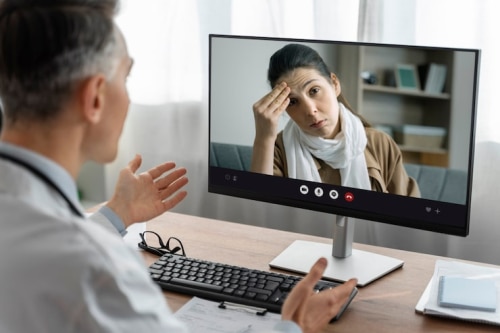
Studies consistently show that virtual visits can dramatically lower no-show rates compared to traditional in-person appointments. One analysis found telemedicine appointments associated with a no-show rate of just 12 percent versus 25 percent for in-person ones. The convenience factor removes many of the everyday barriers that cause patients to miss scheduled care.
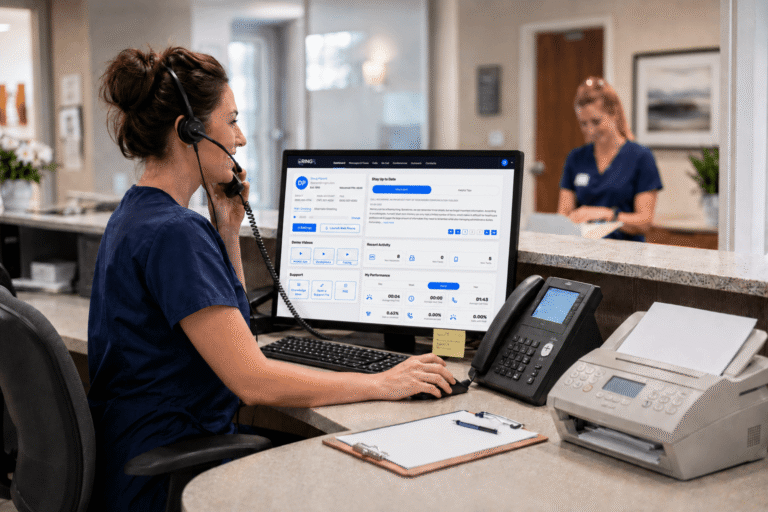
Missed calls, scattered text messages, voicemails buried in separate apps disrupt patient care and expose practices to compliance risks. Erodes patient trust, longer waits and wasted staff time. RingRx changes that by combining voice, secure texting, fax, video visits, and on-call scheduling into one intuitive, fully HIPAA-compliant platform designed specifically for medical workflows. See how your practice can grow, run more smoothly, and deliver a better experience for every patient. Sign Up for RingRx Free Trial today!
The Hidden Cost of Missed Appointments
Missed appointments, often called “no-shows,” create ripple effects throughout the healthcare system. Clinics lose revenue while staff time goes unused. Patients delay necessary follow-ups, potentially allowing chronic conditions to progress. Transportation challenges, work conflicts, family obligations, and even simple forgetfulness top the list of culprits. In a busy world where time is precious, these barriers add up quickly.
Before the widespread adoption of telehealth, practices grappled with no-show rates that sometimes climbed into the double digits. The shift to virtual care during the pandemic offered an unexpected window into a better way forward. Patients no longer needed to factor in travel time, parking hassles, or arranging coverage for children or elderly relatives. They could join a visit from their living room, office, or even during a lunch break.
How Telehealth Removes Common Barriers
At its core, telehealth succeeds by meeting patients where they are literally and figuratively. No long drives across town. No waiting rooms filled with other patients. The flexibility of scheduling a video or phone consultation fits more naturally into demanding schedules.
Consider a working parent facing a conflict between a midday appointment and school pickup. With telehealth, that same parent can step into a quiet room at home or work and connect without missing a beat. Rural patients who once faced hours on the road to see a specialist now access care without leaving their community. Even urban dwellers benefit from reduced stress and saved time.
Research backs this up. Telemedicine has been linked to lower odds of missed appointments overall. The effect proves especially pronounced for certain groups, including those managing chronic conditions or seeking mental health services, who often deal with frequent visits that compound logistical challenges.
Real-World Impact on Different Patient Groups
The benefits of telehealth extend across demographics, but they shine brightest for populations that historically face greater hurdles. Underserved communities, including Native American and non-Hispanic Black patients, have seen some of the most significant reductions in no-shows when virtual options become available.
Patients with frequent medical needs or chronic illnesses also tend to keep virtual appointments more reliably. The lower physical and time demands make consistent follow-up more achievable. Metropolitan residents, who might battle traffic or tight work windows, similarly show improved attendance rates with telehealth.
Of course, telehealth isn’t a perfect solution for every scenario. Some procedures still require hands-on examination. Yet for consultations, follow-ups, medication reviews, and many behavioral health sessions, the virtual format often proves more reliable than the traditional alternative.
The Role of Communication Tools in Boosting Attendance
Technology does more than enable the visit itself. Modern communication platforms play a crucial supporting role in reducing missed appointments. Secure, HIPAA-compliant systems that combine voice, text, video, and fax make it easier for practices to reach patients with timely reminders and clear instructions.
Automated reminders sent via preferred channels text messages in particular help patients confirm appointments and prepare technically if needed. Practices using integrated platforms report smoother workflows and fewer last-minute gaps. When patients can easily reschedule or clarify details through secure channels, the entire process becomes less prone to human error or oversight.
These tools also support telehealth directly. One-click access to video consultations, reliable call routing, and seamless integration with existing systems mean fewer technical hiccups that might otherwise discourage participation. Healthcare contact center solutions, in particular, have emerged as powerful enablers in this space, helping organizations deliver proactive patient engagement at scale.
Practical Benefits for Providers and Patients Alike
For healthcare practices, fewer missed appointments translate into better resource utilization and more consistent revenue streams. Staff spend less time chasing down no-shows and more time delivering care. Patient satisfaction often rises when visits feel accessible and respectful of personal time.
Patients gain too. Reduced travel saves money on gas, parking, and potential lost wages. The comfort of familiar surroundings can ease anxiety, particularly for those managing mental health concerns. Continuity of care improves when barriers drop, leading to stronger doctor-patient relationships over time.
One study highlighted how telehealth not only cut no-shows but also delivered measurable savings in travel distance and fuel costs for patients tangible wins that compound the convenience factor.
Overcoming Potential Drawbacks
Critics sometimes point to technical challenges or the impersonal feel of virtual visits. Yet many of these concerns fade with proper support. Clear pre-visit instructions, user-friendly platforms, and backup phone options help bridge the gap. Practices that invest in reliable communication infrastructure see higher completion rates and positive feedback.
It’s also worth noting that while some behavioral health studies have shown mixed results on no-shows, the broader evidence points to net gains when telehealth is implemented thoughtfully alongside strong patient engagement strategies.
Integrating Advanced Contact Center Solutions for Seamless Care
Beyond the core advantages of virtual visits, healthcare organizations are turning to sophisticated contact center platforms to amplify these benefits. The healthcare contact center solution market reflects this growing demand, expanding rapidly as providers seek tools that unify patient communication channels. Cloud-based systems offer hospitals balanced patient care, proactive web interaction, and enhanced payment and collection processes. The transition from analog to digital technologies, including next-generation interactive voice response with superior voice recognition, continues to drive efficiency.
These integrated solutions enable automated, multi-channel reminders that reach patients on their preferred devices. They streamline appointment scheduling, rescheduling, and follow-ups while maintaining full HIPAA compliance. For many practices, this means transforming fragmented outreach into a cohesive experience that patients actually respond to.
As patient expectations for convenient, responsive care rise, contact center technology becomes a strategic asset. It not only supports telehealth but also strengthens overall engagement, helping reduce no-shows even for in-person visits through timely, personalized communication.
Looking Ahead: A More Accessible Future
As telehealth matures, its role in reducing missed appointments will likely grow. Hybrid models that blend virtual and in-person care give patients choices tailored to their specific needs. Continued improvements in broadband access, device usability, and reimbursement policies will further level the playing field.
Healthcare organizations that embrace integrated communication solutions those designed specifically for medical workflows position themselves to maximize these advantages. Tools that unify voice, secure messaging, video, and scheduling help practices deliver seamless experiences that patients appreciate and actually attend.
The data tells a compelling story: telehealth isn’t just a pandemic-era workaround. It represents a lasting shift toward care that respects real-life constraints while maintaining clinical quality. By lowering the friction that leads to missed appointments, virtual options help more patients stay on track with their health journeys.
In the end, fewer empty exam rooms and more completed connections mean healthier communities and more sustainable practices. Telehealth, supported by robust communication platforms, has shown it can deliver on that promise one convenient, reliable visit at a time.
Frequently Asked Questions
How does telehealth help reduce missed appointments?
Telehealth removes the most common barriers that lead to no-shows, such as long commutes, transportation challenges, work conflicts, and childcare obligations. By allowing patients to join visits from home, work, or anywhere convenient, virtual care fits more naturally into busy schedules. Research shows telemedicine no-show rates can be as low as 12%, compared to 25% for traditional in-person visits.
Which patients benefit most from telehealth in terms of keeping appointments?
Patients managing chronic conditions, those seeking mental health services, and individuals in rural or underserved communities tend to see the greatest improvements in appointment attendance with telehealth. Groups including Native American and non-Hispanic Black patients have shown some of the most significant reductions in no-shows when virtual care options are made available. The lower physical and time demands of virtual visits make consistent follow-up far more achievable for these populations.
What role do communication tools play in reducing healthcare no-shows?
Beyond enabling the virtual visit itself, HIPAA-compliant communication platforms that combine voice, secure texting, video, and automated reminders are critical to keeping patients engaged and on schedule. Automated appointment reminders sent via patient’s preferred channels especially text messages help confirm attendance and reduce last-minute cancellations. Practices using integrated contact center solutions report smoother workflows, fewer scheduling gaps, and higher overall patient satisfaction.
Disclaimer: The above helpful resources content contains personal opinions and experiences. The information provided is for general knowledge and does not constitute professional advice.
You may also be interested in: Patient Communication Excellence for Healthcare Practices – RingRx
Missed calls, scattered text messages, voicemails buried in separate apps disrupt patient care and expose practices to compliance risks. Erodes patient trust, longer waits and wasted staff time. RingRx changes that by combining voice, secure texting, fax, video visits, and on-call scheduling into one intuitive, fully HIPAA-compliant platform designed specifically for medical workflows. See how your practice can grow, run more smoothly, and deliver a better experience for every patient. Sign Up for RingRx Free Trial today!
Powered by flareAI.co