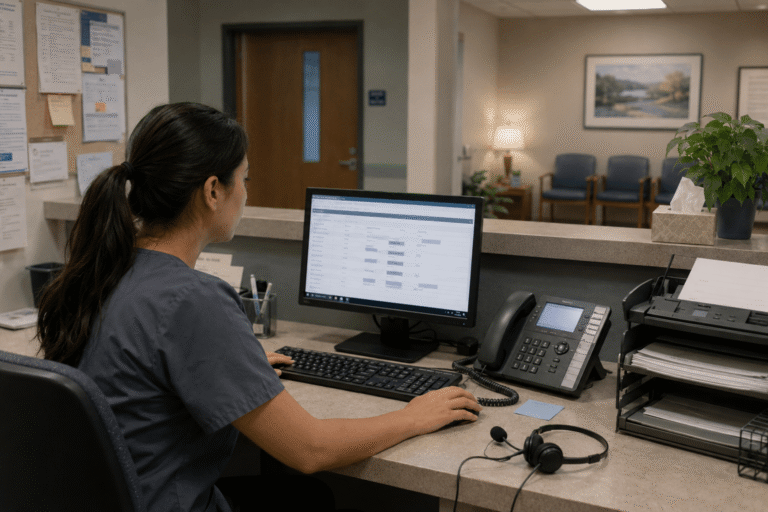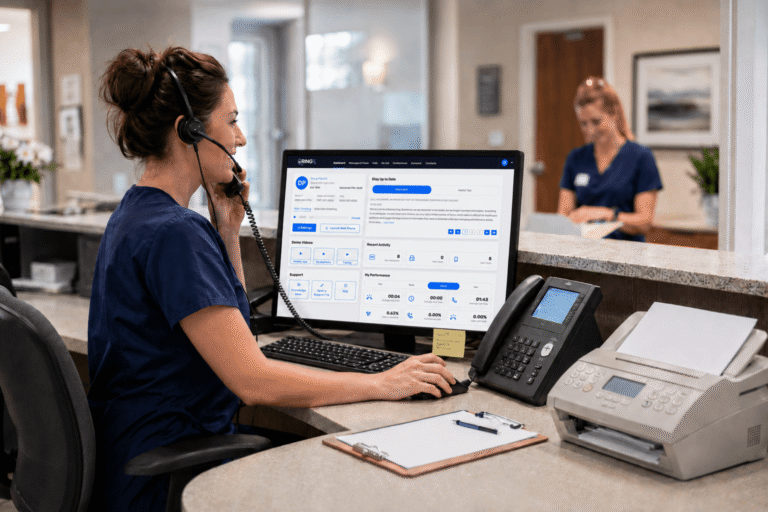

Many clinics still rely on outdated phone lines, creaky fax machines, and patchwork messaging systems. The result? Frustrated staff, lost documents, and mounting administrative headaches. Yet a new wave of telecommunication innovations is quietly reshaping how medical practices operate from coast to coast. When forward-thinking clinics dive into these advancements, they discover platforms engineered not just for basic connectivity, but for the precise rhythms of real medical workflows secure, intuitive, and built to support every moment of patient-centered care.
Missed calls, scattered text messages, voicemails buried in separate apps disrupt patient care and expose practices to compliance risks. Erodes patient trust, longer waits and wasted staff time. RingRx changes that by combining voice, secure texting, fax, video visits, and on-call scheduling into one intuitive, fully HIPAA-compliant platform designed specifically for medical workflows. See how your practice can grow, run more smoothly, and deliver a better experience for every patient. Sign Up for RingRx Free Trial today!
The Hidden Costs of Outdated Clinic Communication
Picture a busy trauma center in Maryland or a family practice in the Yukon territory trying to coordinate care. Traditional setups force teams to juggle separate tools for phone calls, texts, faxes, and patient routing. Messages get lost in the shuffle, faxes jam at the worst possible moment, and compliance worries linger in the background. These legacy systems were never designed for today’s HIPAA-sensitive environment or the speed required in modern care delivery. The friction adds up quickly wasted staff time, delayed treatments, and even potential liability risks that no clinic can afford.
Clinics know the pain all too well. Receptionists chase down missing referrals, physicians wait on hold for lab results, and administrators scramble to piece together scattered records. In an industry already stretched thin, these daily inefficiencies drain resources that could go toward patient outcomes instead. What begins as minor annoyance quickly escalates into systemic bottlenecks, affecting everything from appointment scheduling to emergency response times. The true cost extends far beyond equipment maintenance; it touches staff morale, patient satisfaction, and ultimately the quality of care delivered every single day.
Why Cloud-Based Solutions Are Gaining Ground
The shift toward integrated cloud communication isn’t hype; it’s a practical response to real pressures facing healthcare providers nationwide. Recent industry analysis shows the cloud fax market reached an estimated 4.27 billion USD in 2024, with North America remaining the largest market driven by increasing demand for secure communication. Practices are moving away from on-premise hardware toward flexible, web-based systems that live securely in the cloud. This change brings reliability that traditional telecom simply cannot match no more busy signals during peak hours or lost faxes during power outages.
What makes these solutions stand out is their healthcare-first design. Unlike generic business tools retrofitted for medicine, purpose-built platforms understand the unique flow of a clinic day: secure patient intake, rapid internal routing, compliant external sharing, and seamless follow-up. The result is smoother operations without forcing staff to learn yet another complicated interface. Clinics adopting cloud solutions report immediate improvements in workflow efficiency, allowing teams to focus more on clinical excellence and less on administrative hurdles.
Unified Communications Built Specifically for Healthcare
At the heart of this transformation sits the idea of unification. Instead of hopping between a phone system, a fax server, a text-messaging app, and an email client, forward-looking clinics now use a single, HIPAA-compliant hub. Phone calls route intelligently to the right provider. Text messages arrive with read receipts and audit trails. Faxes convert to digital records instantly, searchable and shareable within seconds. Even complex call routing something that once required a dedicated IT specialist becomes as simple as setting a few preferences in an easy-to-use dashboard.
This unified approach eliminates the gaps that cause so much frustration. A referral arrives via fax, automatically routes to the correct specialist’s inbox, and triggers a secure text alert all without manual intervention. For practices handling everything from anxiety assessments in Oregon to home-care coordination in the Midwest, the difference feels immediate and tangible. Providers stay connected across departments, patients receive timely updates, and administrative teams operate with newfound confidence that nothing will slip through the cracks.
Beyond basic connectivity, these platforms integrate directly with electronic health records, ensuring every communication becomes part of the patient’s permanent file. This seamless flow reduces duplication, minimizes errors, and creates a single source of truth for the entire care team.
Overcoming the Natural Hesitation to Switch Systems
Change is never easy, especially in healthcare where downtime simply isn’t an option. Many clinic leaders voice the same concerns: switching feels disruptive, reliability across phone, text, fax, and routing raises questions, and they want clearer proof of both HIPAA compliance and real value compared with cheaper alternatives. These objections are valid and deserve straight answers from any provider worth considering.
The best modern platforms address disruption head-on with phased onboarding, dedicated implementation teams, and zero-downtime cutovers. Staff training focuses on practical workflows rather than technical jargon. Reliability comes from redundant cloud infrastructure and healthcare-specific testing that generic providers rarely perform. And when it comes to compliance and value, transparent pricing removes the guesswork no hidden fees, no surprise overages, just straightforward costs that align with actual usage.
Clinics that make the leap often report that the transition was smoother than expected precisely because the new system was built to mirror how they already work, not force them into a new mold. Real-world implementations show that with proper support, practices of all sizes can upgrade without interrupting patient care for even a single day.
Real Advantages That Go Beyond the Hype
The true power of these innovations shows up in daily life inside the clinic. Administrative teams spend less time chasing paperwork and more time supporting patients. Providers receive critical information faster, leading to quicker decisions and better continuity of care. Patients notice the difference too fewer repeated explanations, timelier appointment reminders, and a sense that the practice runs like a well-oiled machine.
- Improved patient experience: Secure two-way texting and automated reminders keep patients engaged and informed without overwhelming staff.
- Enhanced security and compliance: Every interaction carries built-in audit trails and encryption that meet or exceed regulatory standards.
- Greater operational efficiency: Intelligent routing and instant digital fax conversion eliminate manual handoffs and reduce errors.
- Better team collaboration: Unified inboxes and real-time notifications ensure the right person sees the right information at the right time.
Because the platform is healthcare-first, it includes features generic tools overlook: automatic fax-to-EHR integration, secure two-way texting that feels natural to both staff and patients, and intelligent routing that respects on-call schedules and specialty needs. The entire system lives under one roof, so troubleshooting becomes simpler and security remains consistent across every channel. These advantages compound over time, creating measurable improvements in both clinical outcomes and practice profitability.
Transparent Pricing That Actually Makes Sense for Clinics
One of the most refreshing aspects of today’s leading solutions is the move away from complicated pricing models. Instead of tiered plans loaded with add-ons and usage caps that feel designed to generate surprise bills, progressive providers offer clear, predictable costs. What you see is what you pay, with no hidden fees or billing surprises at month’s end.
This transparency matters in an industry where budgets are tight and every dollar needs to stretch. Practices can plan confidently, knowing their communication costs will scale with their actual needs rather than mysterious line items. When combined with measurable efficiency gains reduced staff time on administrative tasks, fewer lost referrals, faster revenue cycle improvements the return on investment becomes clear within the first few months. Clinic administrators consistently report that the peace of mind alone justifies the switch, even before calculating the full financial benefits.
The Road Ahead for Clinic Telecommunications
Looking forward, the pace of innovation shows no signs of slowing. As electronic health records continue to evolve and patients expect digital convenience on par with their banking or retail experiences, clinics that embrace unified, secure communication will hold a distinct advantage. They’ll move faster, reduce errors, protect privacy more effectively, and ultimately deliver better care.
The transformation isn’t about chasing the latest gadget. It’s about removing friction so that the focus stays where it belongs on the patient in front of you or the one who just walked through the door. For clinics across the United States, from bustling urban trauma centers to smaller regional practices, these telecommunication innovations have become an essential part of delivering modern, efficient, patient-centered care. The tools exist. The benefits are proven. The only question left is how quickly the rest of the industry will follow and which forward-thinking practices will lead the way.
Frequently Asked Questions
What telecommunication innovations are transforming healthcare clinics?
Modern clinics are adopting cloud-based, unified communication platforms that consolidate phone calls, secure text messaging, digital fax, and intelligent call routing into a single HIPAA-compliant hub. Unlike legacy systems built around separate, disconnected tools, these healthcare-first platforms are designed to match real clinical workflows routing referrals automatically, integrating with electronic health records, and delivering real-time notifications to the right provider. The result is less administrative friction and more time focused on patient care.
How do cloud-based communication solutions improve HIPAA compliance for medical practices?
Cloud-based healthcare communication platforms include built-in audit trails, end-to-end encryption, and access controls that meet or exceed HIPAA regulatory standards across every channel phone, text, and fax. Every interaction is automatically logged and traceable, reducing the compliance risks associated with traditional phone lines and unsecured fax machines. Purpose-built healthcare platforms also undergo healthcare-specific security testing that generic business communication tools typically skip.
Is switching from a legacy clinic phone system to a cloud-based platform disruptive to daily operations?
Switching to a modern cloud communication system is far less disruptive than most clinic leaders expect, thanks to phased onboarding, dedicated implementation support, and zero-downtime cutover processes offered by leading providers. Staff training focuses on practical, day-to-day workflows rather than technical complexity, and the new systems are designed to mirror how clinics already operate. Many practices report completing the transition without interrupting patient care for a single day, and see measurable efficiency gains within the first few months.
Disclaimer: The above helpful resources content contains personal opinions and experiences. The information provided is for general knowledge and does not constitute professional advice.
You may also be interested in: RingRx: HIPAA Compliant Phone System Designed for Modern
Missed calls, scattered text messages, voicemails buried in separate apps disrupt patient care and expose practices to compliance risks. Erodes patient trust, longer waits and wasted staff time. RingRx changes that by combining voice, secure texting, fax, video visits, and on-call scheduling into one intuitive, fully HIPAA-compliant platform designed specifically for medical workflows. See how your practice can grow, run more smoothly, and deliver a better experience for every patient. Sign Up for RingRx Free Trial today!
Powered by flareAI.co