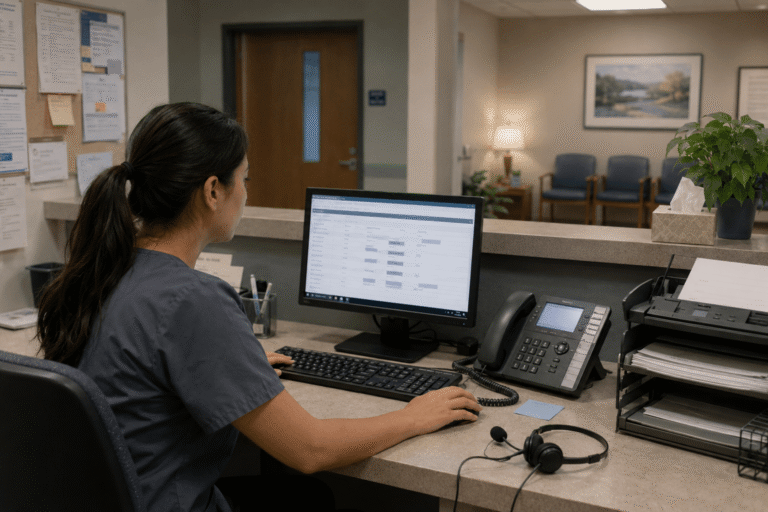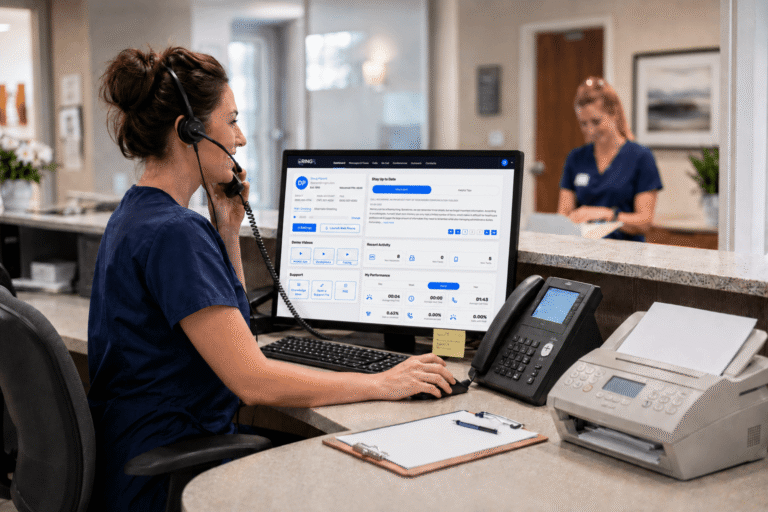

In bustling medical practices across the United States, patients often face frustrating delays before they even reach the exam room. A ringing phone goes unanswered, a fax disappears into the void, or an after-hours call leaves someone waiting anxiously for a callback. These communication breakdowns don’t just irritate they add unnecessary minutes to already strained schedules and can quietly erode trust in the care process.
Forward-thinking clinics are discovering that the right telecommunication solutions can dramatically streamline operations and reduce those hold times. By unifying voice, text, fax, and video into a single, secure platform built specifically for healthcare, practices are reclaiming precious time for what matters most: patients.
Missed calls, scattered text messages, voicemails buried in separate apps disrupt patient care and expose practices to compliance risks. Erodes patient trust, longer waits and wasted staff time. RingRx changes that by combining voice, secure texting, fax, video visits, and on-call scheduling into one intuitive, fully HIPAA-compliant platform designed specifically for medical workflows. See how your practice can grow, run more smoothly, and deliver a better experience for every patient. Sign Up for RingRx Free Trial today!
The Hidden Cost of Fragmented Communication in Healthcare
Medical offices manage a constant stream of inbound calls, patient texts, prescription faxes, and staff coordination. When these channels operate in isolation, the results are predictable: missed calls accumulate, messages get lost, and front-desk staff scramble to keep up. Patients end up on hold longer, callbacks take hours instead of minutes, and the entire flow of the day slows down.
In smaller practices and behavioral health clinics especially, these gaps create ripple effects. A therapist juggling secure patient texting alongside regular phone lines might delay responding to an urgent message. A primary care office relying on separate fax services risks delays in receiving critical records. The outcome includes longer perceived wait times, higher no-show rates, and staff burnout that ultimately impacts care quality.
Modern solutions address this by consolidating everything into one HIPAA-compliant system. Voice calls route intelligently, texts remain secure and documented, faxes arrive digitally in the right inbox, and video consultations happen without awkward app-switching. The difference feels immediate to both patients and providers.
How Intelligent Call Routing and Virtual Receptionists Speed Up Patient Access
One of the most effective ways to reduce wait times begins before the patient ever steps foot in the waiting room. Advanced call management systems use customizable routing to direct callers to the right person or department on the first try. No more explaining symptoms to multiple staff members or repeating insurance details.
Spam call blocking and robocall protection add another layer of efficiency. Medical offices waste valuable minutes fielding junk calls that generic systems allow through. Healthcare-specific platforms filter these threats while maintaining seamless connectivity, keeping lines clear for real patients.
Secure Texting and Unified Messaging: Reducing Administrative Burden
Patients increasingly prefer texting for reminders, questions, and quick updates. However, standard SMS falls short on privacy and compliance. HIPAA-compliant texting solutions solve this by offering secure, two-way messaging that integrates directly with the phone system. Appointment confirmations go out automatically, patients reply from their phones, and everything stays fully documented for the record.
This shift significantly reduces inbound call volume. Instead of tying up phone lines with routine scheduling or refill requests, staff handle these through efficient, trackable messages. The result is shorter hold times for those who truly need to speak with someone and faster overall response rates across the practice.
Fax services follow the same logic. Cloud-based, HIPAA-compliant faxing eliminates paper jams and lost documents while delivering files straight into the patient’s electronic chart or the provider’s inbox. What once took days of chasing records now happens in minutes, accelerating everything from referrals to prior authorizations.
Real-World Impact on Clinic Flow
Clinics adopting these integrated platforms often notice immediate improvements in daily operations. Front-office teams spend less time chasing messages and more time supporting patients. Providers receive clearer, more timely information, which helps them stay on schedule. Patients experience fewer surprises no more “we never got that fax” conversations and feel genuinely heard through consistent, professional communication.
Addressing Common Concerns About Switching Systems
Many practices hesitate to upgrade because changing phone, text, and fax setups feels disruptive. Staff worry about downtime during transition, while administrators question whether the new system will prove reliable across all channels. Others wonder if a specialized healthcare platform justifies the cost compared to cheaper general-purpose alternatives.
These are valid concerns. The strongest solutions minimize disruption with straightforward number porting and guided onboarding. Reliability comes from platforms designed explicitly for medical workflows, offering redundant connections and transparent performance monitoring. Healthcare-first systems deliver value through reduced compliance risks, fewer missed opportunities, and measurable time savings that compound quickly.
Clear proof of HIPAA compliance through built-in encryption, audit-ready logging, and dedicated security features helps ease those worries. Practices that make the move often discover that the real cost lies in sticking with outdated, patchwork tools that quietly inflate wait times and administrative overhead.
VoIP and Cloud Technology: Building a Foundation for Efficient Healthcare Communication
Cloud-based VoIP systems tailored for medical offices bring enterprise-grade features without the complexity or expense of traditional PBX hardware. Calls, texts, and faxes work seamlessly across desk phones, mobiles, and computers. Providers on the move stay connected without sacrificing security or call quality.
This flexibility proves especially valuable for telehealth. A unified communication platform allows smooth video consultations alongside voice and messaging, creating a single environment where patients and care teams interact naturally. During busy periods or staff shortages, the system adapts routing calls intelligently, transcribing voicemails, and keeping everyone coordinated.
For small and medium-sized practices, these cloud solutions level the playing field. They scale easily as the clinic grows and avoid large capital investments. Organizations are increasingly adopting unified communications solutions to increase revenues, lower operating expenses, and maintain stronger customer relationships. In terms of deployment, hosted options are gaining strong traction, while small and medium enterprises often see the most rapid benefits from these flexible systems.
Choosing the Right Partner for Your Healthcare Practice
Not every communication tool meets healthcare’s unique demands. Generic platforms may handle basic calls but fall short on secure texting compliance, medical-specific routing, or integrated faxing. The most effective options prioritize healthcare workflows from the ground up: customizable call groups for different specialties, after-hours protocols that respect on-call schedules, and patient outreach tools that strengthen relationships without adding burden.
Look for transparent pricing that avoids surprise fees, strong spam protection to keep lines clear, and genuine integration across phone, text, fax, and video. Practices focused on behavioral health, therapy, or specialized care particularly benefit from solutions attuned to privacy and workflow nuances.
Ultimately, the goal extends beyond technology. When communication flows smoothly, patients spend less time waiting and more time receiving attentive care. Staff experience less friction and greater satisfaction. The entire practice operates with a calmer, more responsive rhythm.
Moving Toward More Responsive Healthcare Communication
The organizations adopting unified, HIPAA-compliant platforms today are addressing a practical reality: fragmented tools create delays that no one can afford. By bringing voice, secure messaging, digital fax, and telehealth together in one reliable system, clinics reduce missed connections, shorten response times, and create space for better patient experiences.
In an era when every minute counts, these telecommunication solutions deliver a simple yet powerful advantage a communications backbone that supports rather than hinders care. Practices that embrace them often find that the biggest surprise is how quickly the old frustrations fade, replaced by smoother days and more appreciative patients.
The shift does not require overhauling everything overnight. Many start with core phone and texting capabilities, then layer in advanced routing and fax features as needs evolve. What remains consistent is the outcome: less waiting, more connection, and a practice better equipped to deliver timely, compassionate healthcare.
Frequently Asked Questions
How can telecommunication solutions reduce patient wait times in medical practices?
Unified telecommunication platforms reduce wait times by consolidating voice, text, fax, and video into a single HIPAA-compliant system, eliminating the delays caused by fragmented communication channels. Intelligent call routing directs patients to the right department on the first try, while virtual receptionists handle routine inquiries during peak hours or after hours. HIPAA-compliant texting further reduces inbound call volume by handling appointment confirmations, refill requests, and scheduling through secure messaging, keeping phone lines open for urgent needs.
What is HIPAA-compliant texting and why is it important for healthcare practices?
HIPAA-compliant texting is a secure, two-way messaging system that meets federal privacy standards for protected health information, unlike standard SMS which lacks the necessary encryption and documentation. It allows patients to receive appointment reminders, ask questions, and get quick updates directly from their phones while keeping all communications fully documented and audit-ready. By shifting routine interactions to secure messaging, front-desk staff experience less phone congestion, leading to shorter hold times and faster overall response rates across the practice.
Is cloud-based VoIP worth it for small and medium-sized medical practices?
Yes cloud-based VoIP systems designed for healthcare deliver enterprise-grade features like intelligent call routing, voicemail transcription, and integrated faxing without the high cost or complexity of traditional PBX hardware. They scale easily as a clinic grows and work seamlessly across desk phones, mobile devices, and computers, keeping providers connected whether in-office or on the move. For smaller practices especially, these solutions level the playing field by reducing administrative overhead, lowering compliance risk, and compounding time savings quickly after adoption.
Disclaimer: The above helpful resources content contains personal opinions and experiences. The information provided is for general knowledge and does not constitute professional advice.
You may also be interested in: RingRx: HIPAA Compliant Phone System Designed for Modern
Missed calls, scattered text messages, voicemails buried in separate apps disrupt patient care and expose practices to compliance risks. Erodes patient trust, longer waits and wasted staff time. RingRx changes that by combining voice, secure texting, fax, video visits, and on-call scheduling into one intuitive, fully HIPAA-compliant platform designed specifically for medical workflows. See how your practice can grow, run more smoothly, and deliver a better experience for every patient. Sign Up for RingRx Free Trial today!
Powered by flareAI.co