
Quick Listen:
Picture this: You wake with a stubborn cough or a lingering concern about your mental well-being, and within minutes you’re face-to-face with your doctor via a secure video link from your kitchen table. No traffic jams, no crowded waiting rooms, no frantic search for parking. For millions of Americans, this scene has shifted from novelty to everyday reality. Yet the true evolution of virtual doctor visits is still unfolding, promising not just convenience but richer, more coordinated care delivered with confidence and privacy.
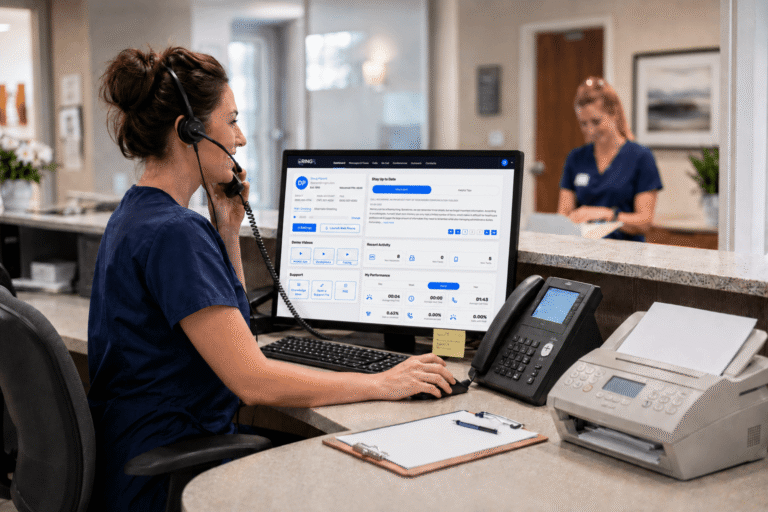
Missed calls, scattered text messages, voicemails buried in separate apps disrupt patient care and expose practices to compliance risks. Erodes patient trust, longer waits and wasted staff time. RingRx changes that by combining voice, secure texting, fax, video visits, and on-call scheduling into one intuitive, fully HIPAA-compliant platform designed specifically for medical workflows. See how your practice can grow, run more smoothly, and deliver a better experience for every patient. Sign Up for RingRx Free Trial today!
The Steady Ascent of Telehealth
Virtual doctor visits surged during the pandemic and have since become a durable fixture in modern healthcare. Patients now rely on video consultations and protected digital channels for routine check-ups, chronic disease management, and everything in between. What began as a stopgap solution has matured into a genuine advantage, offering faster access for people in rural communities or those facing mobility limitations, while accommodating the unpredictable rhythms of daily life.
Beyond basic video calls, today’s platforms support seamless real-time messaging, secure file exchange, and tightly coordinated team conversations all shielded by robust privacy protections. This foundation strengthens entire care journeys, smoothing follow-ups and closing dangerous gaps that once interrupted treatment plans.
Secure Communication: The Bedrock of Trust
Effective virtual care depends on unwavering trust in the technology that powers it. HIPAA-compliant messaging software has emerged as indispensable, enabling doctors, nurses, and specialists to collaborate swiftly without compromising patient privacy. Healthcare systems are investing steadily in these reliable digital channels as demand for protected communication grows.
These sophisticated tools are quietly replacing outdated pagers and scattered emails with encrypted, fully auditable conversations that unfold in real time. Clinicians can share lab results, fine-tune prescriptions, or consult colleagues instantly all within the same protected environment that occasionally extends controlled access to patients for important updates. The payoff is tangible: fewer miscommunications and quicker, better-informed decisions that translate into improved patient outcomes.
Mental Health Care Embraces Virtual Visits
No medical field has welcomed virtual care more warmly than behavioral health. Demand for mental health services continues to rise, and digital platforms have helped meet it by removing traditional barriers. Patients grappling with anxiety, depression, or other challenges often feel more comfortable opening up from the privacy of home. Virtual sessions eliminate long drives and the discomfort some still associate with entering a clinic.
Providers, in turn, leverage specialized software to monitor progress, deliver evidence-based digital therapeutics, and coordinate smoothly with primary care teams. This connected approach helps stretch limited specialist resources further while maintaining high standards of care, addressing a persistent shortage that has long challenged the system.
Stronger Team Coordination Behind the Scenes
Every successful virtual visit rests on a well-orchestrated care team working in harmony. Clinical communication and collaboration platforms are advancing rapidly, helping hospitals and clinics move away from fragmented legacy systems toward more unified digital environments. These tools do far more than simple texting: they integrate directly with electronic health records, deliver urgent alerts, and facilitate group discussions that keep specialists, nurses, and support staff aligned.
In virtual settings where subtle physical cues can be harder to read clear, instantaneous communication becomes even more critical. It reduces the chance of errors and allows care plans to adjust nimbly as patient needs evolve, ensuring continuity that might otherwise slip through the cracks.
Secure Messaging Reshapes Daily Clinical Work
Secure messaging solutions tailored for healthcare are gaining ground, driven by the dual imperatives of protecting sensitive patient data and enabling efficient teamwork. Purpose-built platforms now offer compliant, encrypted channels that far surpass the risks of ordinary consumer apps or delayed voicemail.
Care teams benefit from streamlined workflows, while patients gain convenient options for non-urgent questions through controlled messaging features. This thoughtful balance reduces avoidable in-person visits without sacrificing oversight, helping make virtual care both practical and sustainable over the long term.
Navigating Remaining Challenges
Virtual doctor visits have come far, yet real obstacles remain. Not every condition can be fully assessed remotely; hands-on physical examinations still hold an important place in medicine. Access to reliable broadband varies dramatically across regions, potentially widening existing disparities. Reimbursement rules continue to shift, and clinicians must thoughtfully blend technology with the empathy and nuance that define quality care.
Another concern is the temptation to lean too heavily on screens. The most effective models treat virtual visits as a powerful complement to in-person encounters rather than a complete substitute. Hybrid approaches letting patients and providers choose the right format for each interaction appear best positioned to deliver optimal results.
Technology Should Enable, Never Replace, Human Connection
Newer innovations such as AI-supported documentation and wearable remote monitoring devices are already easing administrative burdens on clinicians. Vital signs can stream directly into a virtual consultation, giving doctors richer context without extra appointments. The enduring aim is straightforward: strip away friction so the essential conversation between patient and provider remains clear and central.
A Glimpse into the Near Future
Looking ahead, virtual care promises to become even more fluid and integrated. Expect tighter connections across applications, so messaging, video visits, and health records coexist in one intuitive ecosystem. Artificial intelligence may soon help prioritize incoming questions or gently suggest relevant discussion points, while ambient listening features could dramatically cut the time physicians spend on notes.
In behavioral health, platforms are poised to broaden access through culturally attuned languages and formats. Rural facilities may adopt equipped telehealth hubs that bring specialist expertise closer to patients who need it most. Ultimately, the focus will move beyond merely providing virtual options toward ensuring those options produce measurable gains in health, satisfaction, and equity.
A Balanced Outlook for Healthcare’s Digital Path
The future of virtual doctor visits does not mean turning away from traditional medicine. Rather, it points toward a more responsive, inclusive system in which secure messaging and collaboration tools quietly strengthen the human relationships at medicine’s core.
As both patients and providers accumulate experience with these systems, virtual care will evolve from a convenient alternative into a trusted, high-quality component of routine health management. That familiar kitchen-table consultation could one day feel as ordinary as filling a prescription yet deliver better continuity, fewer obstacles, and stronger results along the way.
Healthcare’s digital journey continues, anchored by a simple guiding truth: technology exists to serve people, not the reverse. When virtual visits strike this balance effectively, the entire system and everyone it touches stands to gain.
Frequently Asked Questions
What are the benefits of virtual doctor visits compared to in-person appointments?
Virtual doctor visits offer faster access to care without the hassle of commuting, parking, or crowded waiting rooms. They’re especially valuable for patients in rural areas, those with mobility limitations, or anyone managing a busy schedule. Beyond convenience, modern telehealth platforms support secure messaging, file sharing, and care team coordination making follow-ups and chronic disease management more seamless than ever.
How does HIPAA-compliant messaging software improve telehealth and patient safety?
HIPAA-compliant messaging software gives doctors, nurses, and specialists a secure, encrypted channel to collaborate in real time replacing outdated pagers and unprotected emails. These platforms create fully auditable conversations where lab results, prescription adjustments, and specialist consultations can happen instantly within a protected environment. The result is fewer miscommunications, faster decisions, and better overall patient outcomes.
Can virtual doctor visits effectively support mental health care and therapy sessions?
Yes behavioral health has been one of the strongest adopters of virtual care. Many patients find it easier to open up about anxiety, depression, or other concerns from the comfort and privacy of their own home, removing the stigma some associate with visiting a clinic in person. Providers use specialized telehealth software to track progress, deliver evidence-based digital therapeutics, and coordinate with primary care teams, helping stretch limited specialist resources further.
Disclaimer: The above helpful resources content contains personal opinions and experiences. The information provided is for general knowledge and does not constitute professional advice.
You may also be interested in: Enhance Communication with High-Quality RingRx Desk Phones
Missed calls, scattered text messages, voicemails buried in separate apps disrupt patient care and expose practices to compliance risks. Erodes patient trust, longer waits and wasted staff time. RingRx changes that by combining voice, secure texting, fax, video visits, and on-call scheduling into one intuitive, fully HIPAA-compliant platform designed specifically for medical workflows. See how your practice can grow, run more smoothly, and deliver a better experience for every patient. Sign Up for RingRx Free Trial today!
Powered by flareAI.co