Quick Listen:
In an era when hospitals manage growing chronic disease burdens and patients prefer receiving care from the comfort of home, remote patient monitoring has emerged as one of healthcare’s most valuable innovations. Wearable and connected devices now track heart rhythms, blood pressure, glucose levels, and oxygen saturation in real time, enabling clinicians to identify potential issues days or weeks before they escalate into emergencies. What once seemed futuristic is now standard practice for millions, fundamentally changing care delivery beyond traditional hospital walls.
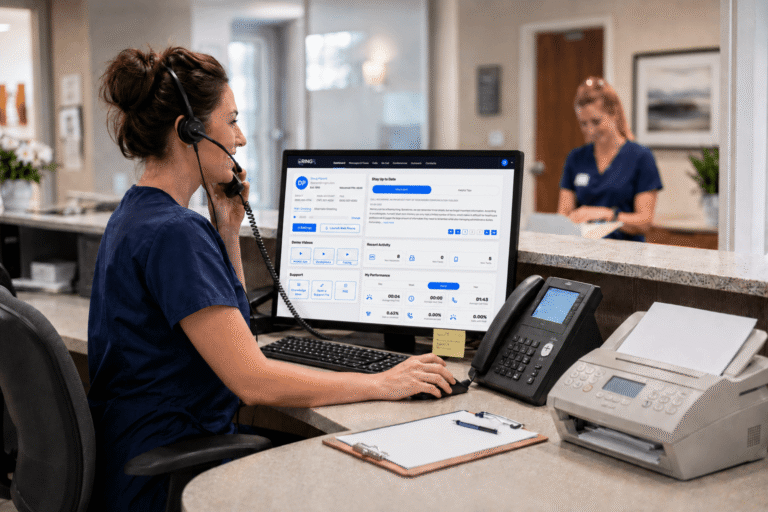
Missed calls, scattered text messages, voicemails buried in separate apps disrupt patient care and expose practices to compliance risks. Erodes patient trust, longer waits and wasted staff time. RingRx changes that by combining voice, secure texting, fax, video visits, and on-call scheduling into one intuitive, fully HIPAA-compliant platform designed specifically for medical workflows. See how your practice can grow, run more smoothly, and deliver a better experience for every patient. Sign Up for RingRx Free Trial today!
The Catalyst That Accelerated Adoption
The COVID-19 pandemic served as a powerful accelerator, transforming remote monitoring from a specialized tool into an essential component of care. When in-person visits carried heightened risks, telehealth and connected devices stepped in to support post-surgical recovery, diabetes management, heart failure, and other chronic conditions. Clinicians gained the ability to review continuous data streams rather than relying solely on infrequent office visits, allowing earlier detection of subtle changes that might otherwise go unnoticed until symptoms worsened.
This shift was made possible by rapid advances in wearable sensors, smartphone integration, and secure cloud infrastructure. Patients experienced greater peace of mind, knowing their vital signs were monitored around the clock even during sleep or daily routines. For older adults and individuals in rural or underserved areas, the impact has been particularly profound, reducing travel burdens and improving access to timely care.
How Remote Patient Monitoring Functions in Clinical Practice
Remote patient monitoring operates through connected medical devices that automatically collect and transmit vital signs to care teams via secure channels. A blood pressure cuff, continuous glucose monitor, or pulse oximeter sends readings through a companion app or gateway, feeding into clinician dashboards where trends can be analyzed and alerts configured for out-of-range values.
The technology integrates especially effectively with unified communications platforms designed specifically for healthcare environments. These cloud-based systems consolidate voice calls, video consultations, secure messaging, and team collaboration within a single HIPAA-compliant framework. When a monitoring alert triggers, a nurse or physician can immediately connect with the patient via video or chat, review symptoms together, and coordinate with colleagues all without switching between disparate applications or phone systems.
North America has pioneered widespread adoption, supported by advanced technology infrastructure and favorable reimbursement policies that recognize the value of virtual care. Providers consistently report improved workflow efficiency when monitoring data and communication tools operate seamlessly together rather than in isolated systems.
Tangible Benefits for Patients and Healthcare Organizations
The advantages of remote patient monitoring appear clearly in everyday clinical outcomes. Hospital readmissions decrease as clinicians intervene earlier to prevent complications. Chronic conditions become easier to manage, leading to better daily quality of life for patients. Individuals appreciate the convenience and reassurance of continuous oversight, often reporting a stronger sense of control over their health when data flows regularly to their care team.
Healthcare organizations benefit from greater operational efficiency and long-term cost reductions. Care teams can focus resources on patients with the greatest needs instead of routine check-ins. Rural facilities extend the reach of specialists without requiring extensive travel. As value-based care models gain traction, proactive monitoring directly supports improved outcomes and performance metrics.
Integration with Telehealth for Coordinated Care
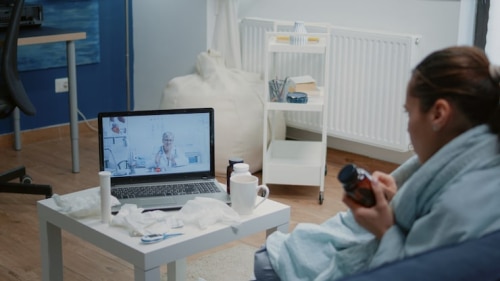
A particularly effective approach involves combining remote monitoring with comprehensive telehealth services. For instance, when a patient’s blood pressure shows a concerning spike, the provider who already sees the trend in real time can initiate an immediate video consultation to discuss contributing factors such as diet, activity levels, or medication adherence. This seamless response often prevents unnecessary urgent care visits while strengthening the patient-provider relationship and encouraging better long-term compliance.
Overcoming Implementation Challenges
Despite its promise, scaling remote patient monitoring has involved addressing several practical hurdles. Protecting sensitive health data remains a top priority as information travels across networks. Internet reliability continues to vary by geography, and technology comfort levels differ among patients and staff. Effective training for both clinicians and individuals, along with smooth integration into existing electronic health record systems, requires thoughtful planning and investment.
Cloud-based solutions have helped reduce many of these barriers compared with legacy on-premises systems. Vendors increasingly emphasize intuitive interfaces and robust security features. Expanded reimbursement policies have also aligned financial incentives more closely with clinical benefits. As these elements converge, adoption continues to accelerate across diverse care settings.
The Strategic Role of Unified Communications as a Service
Effective modern healthcare communication requires more than traditional phone lines or fragmented messaging tools. Unified communications as a service (UCaaS) delivers integrated voice, video, messaging, and collaboration capabilities that scale efficiently while satisfying stringent regulatory standards. In the healthcare sector, these platforms support a wide range of activities from internal team coordination to patient consultations and follow-up on remote monitoring alerts.
When an alert arrives from a monitoring device, care teams can respond directly through the same platform used for daily operations, minimizing delays and reducing the risk of communication errors. Healthcare has become a notable growth area within the broader UCaaS landscape, driven by the need for secure, real-time collaboration that enhances both clinical workflows and patient experiences. North America maintains a leading position in this space, backed by strong technology ecosystems and ongoing digital transformation initiatives in care delivery.
Market Context and Growth Drivers
The broader unified communications as a service market continues to expand as organizations seek more efficient and integrated communication solutions. Within healthcare specifically, demand for secure, cloud-based platforms has risen steadily, reflecting the growing importance of seamless connectivity between remote monitoring tools and care teams. Providers increasingly replace outdated on-premises systems with flexible cloud solutions that unify voice, video, messaging, and data sharing in compliant environments.
This evolution supports hospitals, clinics, and home-care agencies in delivering more proactive and coordinated care. The shift toward cloud platforms has demonstrated measurable improvements in workflow efficiency and patient safety, encouraging wider investment across the sector.
Looking Toward a More Connected Healthcare Future
Remote patient monitoring represents far more than a collection of devices and data points. It embodies a fundamental transition toward care models that meet patients where they live and work. As sensors become smaller, more intelligent, and increasingly affordable and as communication platforms grow more sophisticated and user-friendly the boundary between home and clinical settings continues to fade in beneficial ways.
Challenges related to digital equity, user training, and system integration will remain areas for focused attention. Yet the overall direction points toward enhanced prevention, fewer acute crises, and deeper collaboration between patients and providers. Healthcare that combines advanced technology with genuine human connection is transitioning from an ideal to a realistic standard of care.
Why This Evolution Matters Today
With aging populations and increasing rates of chronic conditions placing greater pressure on healthcare systems, smarter and more scalable approaches have become essential. Remote patient monitoring, strengthened by reliable unified communications platforms, provides a proven pathway forward. Rather than replacing human interaction, these tools extend and enhance it enabling more timely, informed, and personalized care. For patients and providers alike, this integrated approach holds the potential to improve outcomes and transform the experience of managing health in the years ahead.
Frequently Asked Questions
What is remote patient monitoring and how does it work?
Remote patient monitoring (RPM) uses connected medical devices such as blood pressure cuffs, continuous glucose monitors, and pulse oximeters to automatically collect and transmit a patient’s vital signs to their care team via secure channels. Readings flow through a companion app or gateway into clinician dashboards, where trends are analyzed and alerts are configured for out-of-range values. When an alert triggers, providers can immediately reach the patient via video or secure messaging through integrated telehealth platforms, all within a single HIPAA-compliant system.
What are the key benefits of remote patient monitoring for patients and healthcare organizations?
For patients, RPM reduces the need for frequent in-person visits, lowers hospital readmission rates through earlier intervention, and provides continuous peace of mind especially for older adults and those in rural or underserved areas. Healthcare organizations gain greater operational efficiency by focusing care team resources on high-need patients rather than routine check-ins, and rural facilities can extend specialist access without requiring extensive patient travel. As value-based care models grow, proactive RPM monitoring also directly supports improved clinical outcomes and performance metrics.
What challenges does remote patient monitoring face, and how are they being addressed?
Key implementation hurdles include protecting sensitive health data in transit, inconsistent internet access across geographies, and varying levels of technology comfort among patients and clinical staff. Integration with existing electronic health record (EHR) systems also requires careful planning and investment. These barriers are increasingly being overcome through cloud-based RPM solutions with intuitive interfaces and robust security features, expanded reimbursement policies that align financial incentives with clinical benefits, and unified communications platforms (UCaaS) that streamline workflows for care teams.
Disclaimer: The above helpful resources content contains personal opinions and experiences. The information provided is for general knowledge and does not constitute professional advice.
You may also be interested in: Texting vs. Calling: What Patients Really Want in 2025 – RingRx
Missed calls, scattered text messages, voicemails buried in separate apps disrupt patient care and expose practices to compliance risks. Erodes patient trust, longer waits and wasted staff time. RingRx changes that by combining voice, secure texting, fax, video visits, and on-call scheduling into one intuitive, fully HIPAA-compliant platform designed specifically for medical workflows. See how your practice can grow, run more smoothly, and deliver a better experience for every patient. Sign Up for RingRx Free Trial today!
Powered by flareAI.co