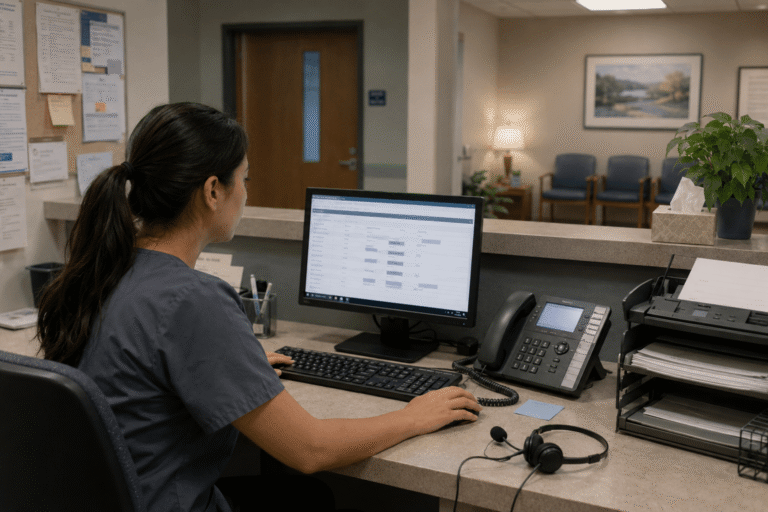

Healthcare teams rely on communication at every stage of care, from coordinating internal workflows to responding to patient needs. When communication tools operate separately, important conversations can become harder to track, staff may spend more time managing systems, and teams can lose visibility across departments. Unified communications for healthcare brings different communication channels together so teams can connect through a more coordinated approach. By understanding how healthcare unified communications works, organizations can evaluate how integrated tools may support collaboration, daily operations, and communication experiences for both staff and patients.
Missed calls, scattered text messages, and voicemails buried in separate apps can slow patient communication and add compliance risk. RingRx brings voice, secure texting, fax, video, and on-call communication into one platform designed to support HIPAA-compliant healthcare communication workflows. Start your RingRx free trial today.
What Is Unified Communications in Healthcare?
Unified communications refers to the integration of multiple communication methods into a connected environment. Instead of relying on separate platforms for phone calls, messaging, video meetings, and other interactions, teams can access communication tools through a more unified workflow.
For healthcare organizations, this approach is particularly relevant because communication needs extend beyond simple conversations. A care team may need to coordinate between front-office staff, providers, administrative teams, and patients while maintaining appropriate privacy and security practices. A disconnected communication environment can create unnecessary friction when employees have to switch between multiple systems or search for information across different channels.
Healthcare unified communications focuses on creating a more organized communication experience. Voice communication, secure messaging, video interactions, and workflow tools can become part of a broader communication strategy designed around healthcare operations.
The goal is not simply to add more technology. Effective unified communications helps teams create clearer processes, reduce communication barriers, and make it easier for the right people to connect at the right time.
Why Healthcare Teams Are Exploring Unified Communication Solutions
Healthcare environments depend on fast and reliable communication. A patient appointment request, provider question, scheduling update, or internal message may involve multiple people before it is resolved. When communication processes are fragmented, teams may experience delays or spend additional effort coordinating routine tasks.
Healthcare communication solutions built around a unified approach can help organizations rethink how information moves between people. Instead of focusing only on individual communication tools, leaders can evaluate the complete communication journey.
- Disconnected workflows: Staff may use different platforms for different communication tasks, creating gaps between channels.
- Limited visibility: Teams may find it difficult to understand communication history when interactions are spread across separate systems.
- Administrative complexity: Managing multiple tools can create additional processes for employees and technology teams.
- Changing patient expectations: Patients increasingly expect convenient and responsive ways to communicate with healthcare organizations.
AI-enhanced healthcare communications are also becoming part of the broader conversation around unified communication strategies. Some healthcare organizations are exploring AI-supported communication tools that can assist with routine interactions, information access, and coordination across channels. These approaches are designed to complement communication workflows by helping teams manage interactions across voice, messaging, and digital channels through more connected experiences.
Healthcare organizations often prioritize unified communications solutions for administrative teams after the COVID-19 pandemic, migrating them to platforms like Microsoft Teams to maintain connectivity in hybrid environments. However, this focus frequently overlooks the needs of frontline clinical staff who move constantly between patient rooms, departments, and critical care areas. Standard desktop or mobile clients prove inadequate in clinical settings where strict hygiene protocols, complex building layouts, integration with nurse call systems, patient monitoring platforms, and electronic health records are essential.
How Unified Communications Supports Healthcare Team Collaboration
Healthcare team collaboration tools are most valuable when they support practical workplace needs. Physicians, nurses, administrators, and support staff often have different responsibilities, but they depend on effective communication to coordinate their work.
A unified communications strategy can support collaboration by creating more consistent ways for teams to interact. Staff members may benefit from having access to multiple communication options without needing to manage unrelated systems for each task.
Connecting Communication Channels
One of the main benefits of unified communications in healthcare is the ability to bring communication channels together. Phone conversations, messages, and video interactions can become part of a connected experience rather than separate activities.
This connection can help teams choose the most appropriate communication method for each situation. A quick internal question may require a message, while a more detailed discussion may be better suited for a voice or video conversation.
Supporting More Efficient Workflows
Healthcare teams often balance patient needs with administrative responsibilities. Communication systems that align with existing workflows can help reduce unnecessary steps and make routine interactions easier to manage.
For example, front-office teams may need to coordinate scheduling updates, providers may need to communicate with colleagues, and administrators may need visibility into operational processes. Integrated communication systems for healthcare can help support these interactions by creating a more connected foundation.
The Role of Cloud Communication in Modern Healthcare Operations
Cloud communication for healthcare organizations provides a flexible approach to managing communication technology. Instead of depending only on traditional communication infrastructure, organizations can use cloud-based platforms designed to support modern work environments.
Cloud-based communication can be valuable for healthcare organizations with multiple locations, distributed teams, or changing operational needs. It allows organizations to consider communication as an ongoing service rather than a fixed system that is difficult to adapt.
However, adopting cloud communication requires careful planning. Healthcare leaders should consider factors such as security requirements, administrative workflows, user experience, and how well a platform aligns with their organization’s communication goals.
Important Considerations When Evaluating Unified Communications Platforms
Healthcare organizations evaluating unified communications should look beyond the number of available features. A communication platform should support the way teams work while addressing the specific needs of healthcare environments.
- Security and privacy: Healthcare organizations need communication practices that align with applicable privacy and compliance expectations.
- Ease of use: Tools should be practical for employees who need to communicate quickly during busy workflows.
- Scalability: Organizations should consider whether communication systems can adapt as teams, locations, or operational requirements change.
- Integration: Communication tools should fit into existing workflows rather than create additional complexity.
- Reliability: Teams depend on communication systems being available when they need them.
How Unified Communications Can Improve Patient and Staff Experiences
Communication quality influences both employee workflows and patient experiences. When healthcare teams can coordinate effectively, they can spend more time focusing on their responsibilities and less time managing communication obstacles.
For patients, communication accessibility can shape their overall experience with a healthcare organization. Clear and responsive communication processes can make it easier to ask questions, receive updates, and connect with the appropriate team members.
Healthcare organizations are also exploring AI patient communications platforms that bring together channels such as phone, text, and email to support more coordinated patient interactions. These platforms may assist with routine outreach, appointment-related communication, and information sharing while helping teams manage communication workflows more consistently. More information on this area is available through .
For staff, unified communications can create a more organized environment where employees have clearer ways to collaborate. When teams are connected through shared communication practices, information can move more smoothly between departments.
Building a Unified Communications Strategy for Healthcare Teams
Implementing unified communications is a strategic process rather than a simple technology change. Healthcare leaders should begin by understanding current communication challenges and identifying areas where better connectivity could support daily operations.
A practical approach may include reviewing existing communication workflows, gathering feedback from employees, and defining the goals of a future communication environment. Different teams may have different requirements, so successful strategies often consider the needs of both administrative and clinical users.
Organizations should also focus on adoption. Even effective communication technology requires clear processes and employee understanding to deliver value. Training, workflow planning, and ongoing evaluation can help teams use communication tools more effectively.
As healthcare organizations continue adapting to changing operational demands, unified communications provides a framework for bringing communication methods together. The focus is not only on connecting technologies but also on creating better ways for people to collaborate.
Frequently Asked Questions
What is unified communications in healthcare?
Unified communications in healthcare connects communication channels such as phone, messaging, and video tools into a more coordinated workflow. It helps healthcare teams manage interactions more consistently by bringing communication methods together in a connected environment.
How can unified communications support healthcare team collaboration?
Unified communications can support collaboration by helping physicians, administrators, and support staff use connected communication workflows. It allows teams to choose appropriate communication methods for different situations while reducing friction caused by disconnected systems.
What should healthcare organizations consider when evaluating unified communications platforms?
Healthcare organizations should evaluate factors such as security and privacy practices, ease of use, integration with existing workflows, scalability, and reliability. The right platform should support daily communication needs without adding unnecessary complexity for staff.
Disclaimer: This article is for general informational purposes and is not legal advice. Practices should review communication, privacy, and compliance policies with their legal, compliance, or administrative teams.
You may also be interested in: Hospital Unified Communication for Care Teams – RingRx
Missed calls, scattered text messages, and voicemails buried in separate apps can slow patient communication and add compliance risk. RingRx brings voice, secure texting, fax, video, and on-call communication into one platform designed to support HIPAA-compliant healthcare communication workflows. Start your RingRx free trial today.
Powered by flareAI.co