
As telehealth continues to reshape American healthcare in 2026, patients increasingly expect immediate access to their providers no matter the hour. Yet many practices still struggle with the reality of unanswered calls outside regular business hours. A late-night symptom flare-up, a worried parent’s question, or a simple refill request can go to voicemail, leaving patients frustrated and practices exposed to lost trust and revenue. Forward-thinking clinicians are addressing this gap with sophisticated virtual receptionist systems that deliver true 24/7 coverage without requiring in-house night staff. These tools are rapidly becoming essential infrastructure for any telehealth-focused medical practice.
Missed calls, scattered text messages, voicemails buried in separate apps disrupt patient care and expose practices to compliance risks. Erodes patient trust, longer waits and wasted staff time. RingRx changes that by combining voice, secure texting, fax, video visits, and on-call scheduling into one intuitive, fully HIPAA-compliant platform designed specifically for medical workflows. See how your practice can grow, run more smoothly, and deliver a better experience for every patient. Sign Up for RingRx Free Trial today!
Why After-Hours Coverage Matters More Than Ever in Telehealth
Telehealth’s convenience has permanently changed patient behavior. People now schedule video visits from their living rooms, yet they still pick up the phone when urgency strikes or when they prefer speaking to a human. For behavioral health providers, solo practitioners, and smaller clinics especially, the absence of live response after 5 p.m. creates a silent bottleneck. Messages accumulate overnight, clinicians start mornings buried in voicemails, and patients sometimes turn to emergency rooms or competing practices simply because no one answered when it mattered most.
The demand for reliable, always-available communication has driven steady growth in specialized patient support services. Industry observers note that the medical answering services sector already valued at approximately $500 million in 2024 continues to expand as healthcare organizations seek practical ways to maintain seamless patient contact without dramatically increasing overhead.
What Modern Virtual Receptionists Actually Do for Medical Practices
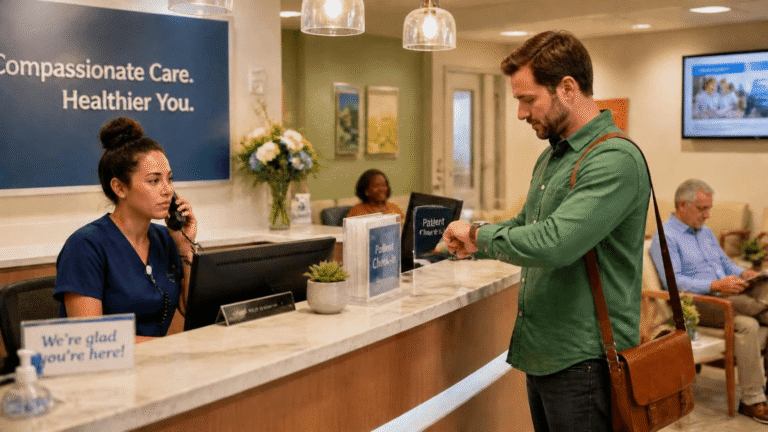
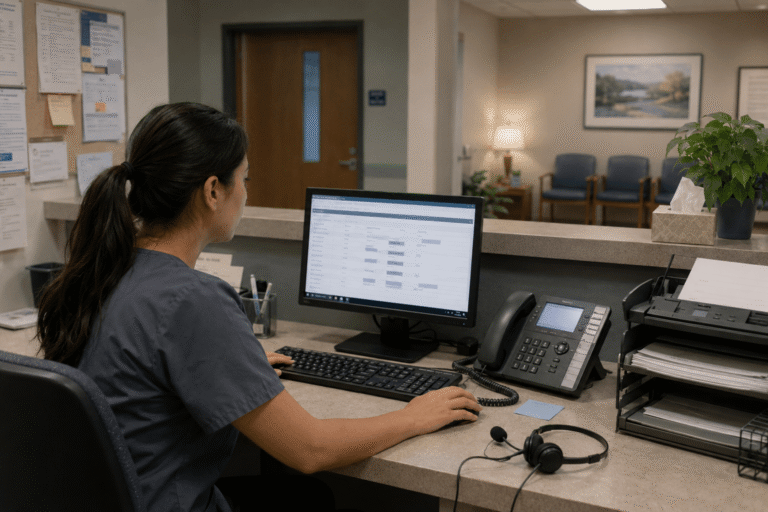
Contemporary virtual receptionist for medical office solutions go far beyond basic call answering. Trained agents or intelligent automated systems guided by strict protocols handle incoming calls live, greet callers with the practice’s preferred language and tone, collect relevant information, and route each interaction appropriately. Routine scheduling flows directly into digital calendars, prescription requests reach e-prescribing platforms, and true urgencies trigger on-call provider notifications according to customizable rules.
Integration extends beyond voice. Secure texting, web-based fax reception, and patient portal messaging often live within the same HIPAA-compliant environment, creating a single point of control for all front-office communication. For telehealth providers this unified approach eliminates the need to check multiple inboxes or switch between disconnected applications.
Key Advantages Telehealth Practices Experience
When a telehealth communication platform includes robust 24/7 receptionist capabilities, several measurable improvements typically appear:
- Fewer missed calls and stronger patient retention: Live answering dramatically increases the likelihood that callers will complete scheduling or follow through with recommended care.
- Higher patient satisfaction scores: Prompt, professional responses even at 3 a.m. signal that the practice values accessibility, which matters deeply in mental health, chronic disease management, and family medicine.
- Reduced clinician burnout: Staff no longer face overflowing voicemail inboxes or constant after-hours interruptions for non-urgent matters.
- More efficient use of on-call time: Intelligent routing sends only clinically necessary calls to physicians, preserving rest periods while ensuring timely escalation when required.
- Scalable capacity without proportional cost: Practices gain enterprise-grade coverage without the payroll burden of round-the-clock employees.
These outcomes help explain why many independent practices now view reliable after-hours coverage as a competitive necessity rather than an optional upgrade.
Meeting HIPAA Requirements Without Compromise
Privacy remains non-negotiable. Any system handling protected health information must deliver end-to-end encryption, detailed access logging, and a signed business associate agreement. Purpose-built healthcare platforms typically provide clearer compliance documentation and fewer gray areas than general-purpose VoIP or answering services adapted for medical use.
Additional safeguards such as automatic robocall blocking and secure voicemail transcription protect both patients and providers from disruption while maintaining regulatory standards. When evaluating options, experienced administrators look for vendors who treat HIPAA compliance as foundational architecture rather than an add-on feature.
Addressing Realistic Concerns About Implementation
Change always carries friction. Providers frequently worry that transitioning to a new HIPAA compliant phone system will disrupt daily operations, introduce reliability issues, or prove more expensive than advertised. These are legitimate questions.
Reputable healthcare-focused vendors now streamline number porting, offer redundant cloud infrastructure for near-perfect uptime, and publish straightforward pricing that avoids hidden per-minute surcharges or long-term lock-in contracts. Once live, features such as mobile-first apps, automatic failover, and integrated call/text/fax management tend to resolve reliability doubts quickly. Practices often discover that the combination of reduced compliance risk, improved patient engagement, and reclaimed staff time delivers clear return on investment when compared with fragmented or non-specialized alternatives.
Observed Impact Across U.S. Healthcare Settings
Real-world adoption patterns are telling. A solo therapist in the Pacific Northwest who previously spent early mornings triaging overnight texts now relies on secure messaging queues and live call handling to keep non-urgent matters organized. A multi-provider primary care group in the Midwest has cut after-hours staff stress substantially by letting virtual receptionists manage routine inquiries while instantly escalating chest pain reports or severe allergic reactions.
Across specialties from psychiatry and psychology to direct primary care and home-based services clinicians report the same pattern: when patients know a knowledgeable person will answer any time of day or night, they feel safer staying connected to their existing care team rather than seeking help elsewhere.
Communication as a Lasting Strategic Advantage
In today’s healthcare landscape, convenience and responsiveness increasingly influence where patients choose to receive care. A practice equipped with dependable 24/7 coverage through a purpose-built healthcare VoIP phone system does far more than field calls: it reinforces trust, strengthens loyalty, and frees clinical talent to focus on diagnosis and treatment instead of administrative catch-up.
For telehealth providers ready to close the after-hours gap, platforms designed specifically for medical workflows with transparent pricing, healthcare-native features, and uncompromising security offer a practical, future-ready path. When every patient knows help is genuinely available around the clock, the entire care relationship becomes more resilient and more human.
Frequently Asked Questions
What does a virtual receptionist for a medical office actually do?
A virtual receptionist for a medical office goes far beyond simply answering calls. These systems whether staffed by trained agents or intelligent automated tools greet callers, collect relevant information, route scheduling requests to digital calendars, forward prescription requests to e-prescribing platforms, and escalate true emergencies to on-call providers. Many solutions also integrate secure texting, web-based fax, and patient portal messaging into a single HIPAA-compliant environment.
What should telehealth practices look for in a HIPAA-compliant phone system?
A truly HIPAA-compliant phone system should offer end-to-end encryption, detailed access logging, and a signed business associate agreement as foundational features not optional add-ons. Look for purpose-built healthcare platforms that also include automatic robocall blocking, secure voicemail transcription, and redundant cloud infrastructure for reliable uptime. Transparent pricing without hidden per-minute fees or long-term lock-in contracts is another important sign of a trustworthy vendor.
How does 24/7 virtual receptionist coverage help telehealth providers reduce clinician burnout?
By handling routine after-hours inquiries automatically, virtual receptionists prevent the pile-up of overnight voicemails and non-urgent messages that clinicians would otherwise face at the start of each day. Intelligent call routing ensures that only clinically necessary contacts ever reach an on-call provider, protecting rest periods while still guaranteeing timely escalation for genuine emergencies. This frees clinical staff to focus on patient care rather than administrative catch-up.
Disclaimer: The above helpful resources content contains personal opinions and experiences. The information provided is for general knowledge and does not constitute professional advice.
You may also be interested in: HIPAA Compliant Phone Service – Patient Communication – RingRx
Missed calls, scattered text messages, voicemails buried in separate apps disrupt patient care and expose practices to compliance risks. Erodes patient trust, longer waits and wasted staff time. RingRx changes that by combining voice, secure texting, fax, video visits, and on-call scheduling into one intuitive, fully HIPAA-compliant platform designed specifically for medical workflows. See how your practice can grow, run more smoothly, and deliver a better experience for every patient. Sign Up for RingRx Free Trial today!
Powered by flareAI.co