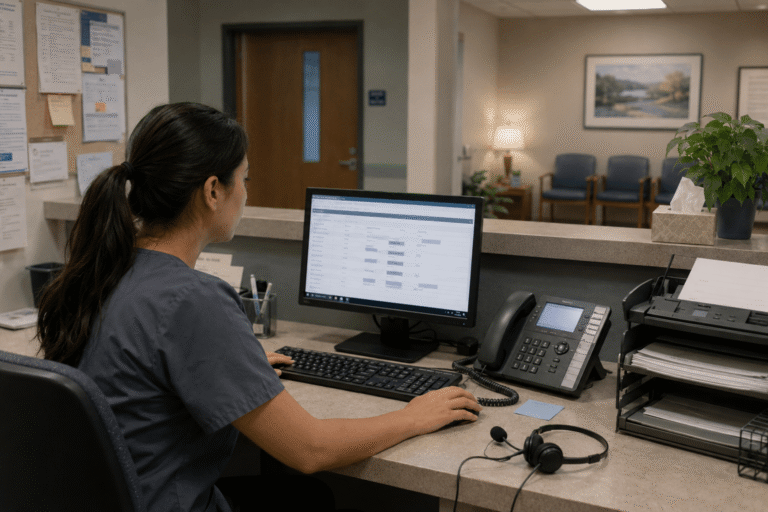

Behavioral health clinics depend on reliable communication to coordinate patient access, manage sensitive conversations, and support care workflows. Selecting a phone system requires more than comparing call features; practices need to evaluate how communication tools handle privacy expectations, staff workflows, routing needs, and day-to-day operational demands. A HIPAA-compliant phone system for behavioral health clinics should support secure communication practices, controlled access, and workflows that help teams manage patient calls, messages, voicemail, and related communications more consistently.
Why Behavioral Health Clinics Need Communication Systems Built Around Privacy and Workflow
Behavioral health practices manage highly sensitive patient interactions where communication failures can create operational challenges. Phone systems must support the practical realities of mental health care, including patient inquiries, follow-up communication, after-hours needs, and coordination between providers and administrative teams. Generic business phone platforms may provide basic calling functionality, but healthcare organizations often require communication tools designed around healthcare workflows. A behavioral health clinic phone system should help teams organize communication channels while supporting HIPAA-related expectations around privacy and responsible handling of patient information. Healthcare data security remains a significant concern. Recent healthcare breach trends show that compromised network servers and email accounts continue to contribute to large-scale incidents affecting protected health information. The healthcare sector has experienced record numbers of reported breaches, reinforcing the need for organizations to carefully evaluate the communication technologies used in clinical environments. This makes selecting healthcare-focused communication tools an important operational decision.
What Should a HIPAA-compliant Phone System Provide for Behavioral Health Practices?
A behavioral health communication system should be evaluated based on how well it supports real clinic workflows rather than only the number of available features. The right approach considers communication reliability, privacy controls, staff processes, and integration with existing patient interactions.
- Secure communication workflows: Practices should select tools designed to support HIPAA-related communication requirements and responsible handling of sensitive information.
- Flexible call management: Routing, voicemail, and escalation workflows help staff manage patient requests and internal coordination.
- Support for multiple communication channels: Phone, texting, fax, and video capabilities can help practices organize different types of patient communication.
- Administrative visibility: Clear workflows and access controls help teams understand how communication is managed across the practice.
The specific safeguards and policies required depend on each organization’s compliance responsibilities, procedures, and implementation decisions. Technology can support HIPAA-compliant workflows, but it does not make a practice compliant by itself.
How Behavioral Health Clinics Evaluate Phone System Options
Choosing a phone system requires evaluating operational fit, not simply comparing feature lists. Practice leaders should consider how communication technology affects staff workload, patient access, and administrative processes.
Call Routing and Patient Access
Behavioral health clinics often need structured routing for new patient inquiries, existing patient communication, provider availability, and administrative requests. A healthcare phone system should support workflows that direct calls appropriately and reduce unnecessary handoffs.
Remote Care Communication Workflows
Many behavioral health practices support remote interactions, making reliable communication infrastructure important before and after virtual appointments. Communication workflows may include scheduling coordination, reminders, secure messaging practices, and follow-up conversations.
How RingRx Supports Behavioral Health Communication Workflows
RingRx is a healthcare-focused cloud communications platform designed for medical practices, clinics, and healthcare organizations. It provides HIPAA-compliant phone, text, fax, and video communication solutions that help healthcare teams manage communication through workflows built specifically for healthcare environments.
- Support communication across voice, secure texting, fax, and video workflows.
- Help practices manage call routing, voicemail, and on-call communication processes.
- Provide healthcare-focused communication capabilities instead of adapting general business tools.
- Offer transparent pricing designed to help practices understand communication costs.
Behavioral health clinics evaluating a communication platform should assess whether the technology matches their operational requirements, privacy expectations, and patient communication processes.
Where HIPAA-compliant Phone Systems Help Behavioral Health Teams
Different behavioral health organizations may have different communication requirements depending on their size, services, and patient access model. Common use cases include:
- Mental health clinics: Managing patient calls, provider communication, and administrative workflows.
- Therapy practices: Supporting secure communication processes for scheduling and ongoing patient interactions.
- Behavioral health organizations: Coordinating teams, routing inquiries, and supporting remote communication workflows.
- Private practices: Creating organized communication processes without relying on disconnected tools.
What Practice Leaders Should Consider Before Switching Phone Systems
Changing communication platforms can feel disruptive, especially for clinics that depend on existing phone numbers, workflows, and staff habits. A practical evaluation should address transition requirements, training needs, communication reliability, and how the new platform fits existing operations.
- Current communication challenges, including missed calls, voicemail management, and routing issues.
- Privacy and security requirements relevant to behavioral health communication.
- Staff workflows and responsibilities for managing patient interactions.
- Whether the platform supports future operational needs without unnecessary complexity.
Frequently Asked Questions
What Makes a Phone System HIPAA-compliant for Behavioral Health Clinics?
A HIPAA-compliant phone system supports communication practices designed around healthcare privacy expectations. Clinics should also maintain appropriate policies, procedures, and staff practices because technology alone does not create compliance.
Can Behavioral Health Clinics Use VoIP Phone Systems?
Yes, behavioral health clinics can use VoIP-based communication platforms when the technology supports healthcare workflows and appropriate privacy safeguards. Practices should evaluate vendor capabilities, access controls, and communication processes.
Why Should Mental Health Clinics Avoid Generic Business Phone Systems?
Generic systems may not be designed around healthcare communication requirements. Behavioral health practices often need workflows for sensitive conversations, routing, messaging, and administrative coordination.
What Communication Features Should Behavioral Health Practices Prioritize?
Important considerations include call routing, voicemail management, secure messaging workflows, fax capabilities, video communication options, and tools that support organized patient communication. You may also be interested in: Why Secure Patient Communication Matters in Healthcare Practices
Missed calls, scattered text messages, and voicemails buried in separate apps can slow patient communication and add compliance risk. RingRx brings voice, secure texting, fax, video, and on-call communication into one HIPAA-compliant platform built for healthcare workflows. Start your RingRx free trial today.