
Quick Listen:
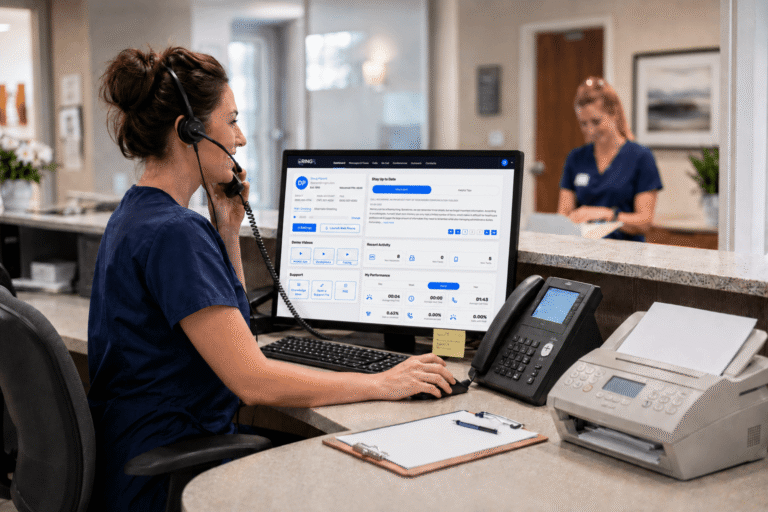
Patient communication software for clinics helps medical offices manage calls, texts, faxes, voicemail, and video communication from a single, integrated platform. For busy practices, that matters because patient questions, appointment needs, follow-ups, and after-hours messages can quickly overwhelm the front desk.
Healthcare organizations are investing in patient communication software because older phone systems and separate messaging tools often result in missed calls, delayed responses, and additional administrative work. A healthcare-focused communication platform can help practices keep patient communication organized while supporting privacy-conscious workflows.
RingRx is a cloud-based communications platform built for healthcare settings. It supports HIPAA-compliant phone, text, fax, video, voicemail, call routing, on-call scheduling, and mobile or desk phone workflows so medical offices, behavioral health practices, and independent providers can manage communication in one place.
Missed calls, scattered text messages, and voicemails buried in separate apps can disrupt patient care and create compliance concerns. They can also erode trust, lengthen response times, and waste staff time. RingRx supports HIPAA-compliant phone, text, fax, video, and on-call workflows in one platform for healthcare teams. See how RingRx can help your practice manage communication in one place. Sign up for a free RingRx trial today.
Why Clinics Are Moving Beyond Traditional Phone Systems
Patient expectations have changed. People want timely replies when they book visits, ask about appointments, follow up after care, or need help reaching the right person. When calls and messages are spread across different tools, staff can miss details or spend extra time tracking them down.
Smaller practices often feel that pressure first. Independent therapists, behavioral health providers, specialty clinics, and wellness practices may have limited staff who cover multiple roles. Larger organizations face a different version of the same issue: more departments, more locations, and more communication paths to manage.
In both cases, fragmented communication creates extra work. Patient communication software for clinics gives teams a more organized way to manage the channels they rely on every day.
What Patient Communication Software for Clinics Should Include
The best communication tools align with how a healthcare practice actually operates. They should support routine communication without forcing staff to jump between separate systems.
Useful capabilities may include:
- HIPAA-compliant texting: Secure texting for appropriate appointment reminders, follow-ups, and non-urgent patient communication.
- Call routing and on-call workflows: Routing rules, after-hours handling, and provider schedules that help calls reach the right destination.
- Cloud-based faxing: Web-based fax tools that reduce paper handling and help teams keep fax activity organized.
- Video communication: Browser-based video options for practices that offer virtual visits or remote check-ins.
- Mobile and desk phone access: Options that let approved staff use mobile or desk phones while keeping communication tied to the practice.
Together, these features can help staff spend less time checking disconnected tools and more time helping patients get to the right next step.
How Patient Communication Software Reduces Front-Desk Friction
Switching communication systems can raise practical questions. Will staff need extra training? Will the current phone number transfer? Will calls, texts, faxes, and routing work together without creating more work?
A healthcare-focused platform should address those concerns with clear setup support, practical onboarding, and tools that fit existing workflows. Many practices also benefit from introducing features in stages, such as starting with call routing, texting, faxing, or after-hours workflows before expanding usage.
The goal is not to add technology for its own sake. It is to reduce missed messages, simplify handoffs, and help staff manage communication with more consistency.
How Practices Use Communication Software in Daily Workflows
Different healthcare teams use communication tools in different ways. Behavioral health practices may need secure texting and voicemail organization. Specialty clinics may focus on routing, faxing, and patient follow-up. Multi-location practices may need clearer ways to direct calls by location, department, or provider group.
Common uses include:
- Routing new patient calls to the right team
- Sending appropriate appointment reminders
- Managing voicemails in a shared workflow
- Supporting secure texting for approved patient communication
- Keeping fax communication easier to review and track
- Managing after-hours and on-call coverage
When these workflows are easier to manage, staff can spend less time chasing scattered messages and more time responding to patient needs.
Evaluating Healthcare-Focused Communication Platforms
Decision-makers often compare communication platforms based on functionality, privacy safeguards, pricing, and fit with daily practice routines. A general business phone system may cover basic calling, but healthcare teams often need more.
When reviewing patient communication software for clinics, practices should ask:
- Does the platform support phone, text, fax, voicemail, video, and after-hours workflows?
- Does the vendor offer a business associate agreement?
- Can staff manage communication from approved mobile and desk phone options?
- Are pricing, setup, and support costs clear?
- Does the system fit how the front desk, billing team, and clinical team communicate?
These questions help practices compare tools based on real workflow needs, not just feature lists.
How Clinic Communication Software Supports Patient Experience
Patient communication affects how people experience a practice before, during, and after a visit. A missed call, delayed message, or confusing handoff can create frustration even when the clinical care is strong.
Clearer communication can help practices respond more consistently, reduce unnecessary back-and-forth, and give staff better visibility into patient messages. It can also help patients feel that their questions are reaching the right person.
For practices still relying on patchwork systems, a healthcare-focused communication platform can be a practical next step. It provides teams with a more organized way to manage communication while supporting privacy-conscious workflows.
Frequently Asked Questions
How does HIPAA-compliant texting work for medical practices?
HIPAA-compliant texting enables healthcare teams to send appropriate patient messages via a platform designed to support privacy-conscious workflows. Practices still need policies for consent, minimum necessary information, and staff use.
What is patient communication software, and why are healthcare clinics investing in it?
Patient communication software helps clinics manage phone, text, fax, voicemail, and video, and route workflows across fewer disconnected systems. Clinics invest in these tools to reduce missed messages, simplify front-desk work, and support a more consistent patient experience.
Can small or independent healthcare practices benefit from specialized communication platforms?
Yes. Small and independent practices often have limited staff, leaving many communication tasks to a single person. A healthcare-focused platform can help organize calls, texts, faxes, voicemail, and after-hours workflows without requiring a large IT team.
Disclaimer: This content is for general informational purposes and does not constitute legal or compliance advice.
You may also be interested in: Failed a HIPAA Audit? 7 Steps for Practices – RingRx
Missed calls, scattered text messages, and voicemails buried in separate apps can disrupt patient care and create compliance concerns. They can also erode trust, lengthen response times, and waste staff time. RingRx supports HIPAA-compliant phone, text, fax, video, and on-call workflows in one platform for healthcare teams. See how RingRx can help your practice manage communication in one place. Sign up for a free RingRx trial today.