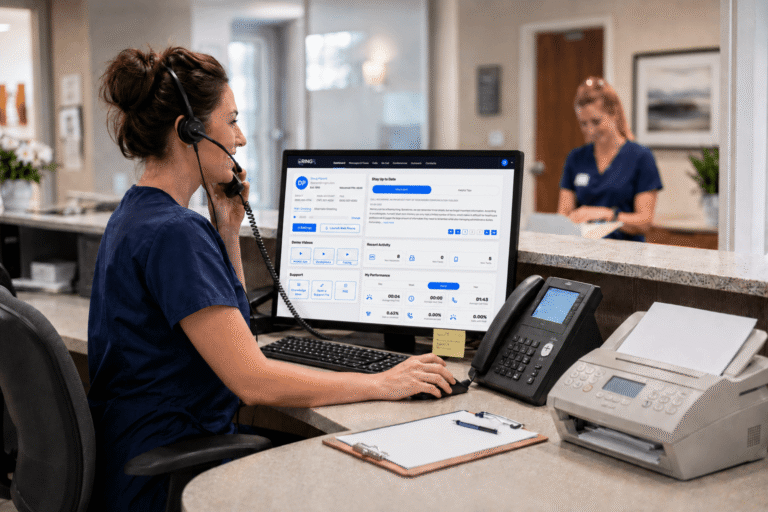

Therapy practices still need a reliable way to handle follow-up calls, secure reminders, faxing, and day-to-day patient communication without juggling disconnected tools. When those workflows are easier to manage in one place, staff can respond faster and reduce compliance risk.
Missed calls, scattered text messages, and voicemails buried in separate apps disrupt patient care and expose practices to compliance risks. They also erode patient trust, create longer waits, and waste staff time. RingRx supports HIPAA-compliant phone, text, fax, video, and on-call workflows in one platform for healthcare teams. See how RingRx can support therapy-practice communication in one place. Sign up for a free RingRx trial today!
The Growing Demand for Secure Communication in Mental Health Care
Therapy practices are under pressure to stay responsive while handling patient communication more carefully and consistently. As expectations rise, secure communication tools are becoming harder to treat as optional. Practices are feeling more pressure to keep communication organized across calls, messages, and follow-ups. That is especially true when staff are already stretched thin and patients expect faster responses.
From solo counselors to multi-location therapy groups, practices need communication that protects privacy and supports day-to-day workflows. That need cuts across trauma therapy, anxiety treatment, family counseling, and other mental health settings.
Why Traditional Methods Fall Short for Therapy Practices
Many therapists still rely on a patchwork of personal phones, standard texting apps, and separate fax services. The result? Missed messages, compliance headaches, and hours lost to inefficient routing. A quick check-in text might feel convenient until a breach occurs or a critical note gets lost in an unsecured channel.
These fragmented approaches create real risks that extend far beyond inconvenience. They disrupt the natural flow of care, force staff to toggle between multiple tools, and leave practices exposed during audits. Nationwide, therapy providers increasingly recognize that sticking with the status quo is no longer sustainable, especially as patient volumes rise and expectations for responsiveness intensify.
The Power of Unified HIPAA-Compliant Platforms
Modern platforms built specifically for healthcare solve these problems by bringing all channels together in a single, secure environment. Phone calls, text messages, faxing, and intelligent routing all operate under a single HIPAA-compliant umbrella. The strongest systems go further, offering workflow tools designed around actual clinical routines rather than generic business needs.
A unified setup can make it easier to move between calls, reminders, faxing, and follow-up without switching between separate tools. That can reduce the need for workarounds and make day-to-day communication easier to manage. The HIPAA-compliant messaging software market has evolved into a vital hub for workflow optimization and real-time care coordination, helping professionals share patient information securely amid growing cybersecurity threats.
Overcoming the Hurdles of Switching to a New System
Change can feel disruptive, especially when patient schedules are already full. Many practices hesitate because they worry about downtime, learning curves, or reliability across different communication types. Others question whether a dedicated platform truly offers more value than cheaper, general-purpose alternatives.
The reality looks different with thoughtfully designed systems. Transition periods can be managed with minimal interruption through guided onboarding, dedicated support teams, and tools that mirror familiar workflows. Reliability comes built-in, with redundant connections ensuring texts, calls, and faxes, as well as routing, work consistently even during peak hours.
When it comes to HIPAA compliance, practices should look for clear documentation, a signed BAA, and security measures that support compliant communication workflows. The value is usually simpler: fewer workarounds, clearer communication, and less friction for staff trying to keep up.
Real Benefits Seen in Practices Across the Country
Therapy practices often run into the same communication problems no matter where they are: missed reminders, delayed follow-up, and too many handoffs between tools. A more unified setup can make those workflows easier to manage.
- Fewer communication handoffs between tools
- Clearer follow-up with patients
- Easier coordination across calls, messages, and faxing
- Less front-desk friction in day-to-day workflows
Home care teams can document visits on the go without compromising privacy. Anxiety and assessment practices benefit from streamlined intake processes that respect sensitive information from the first contact. The common thread is a noticeable lift in both operational smoothness and patient satisfaction, all while maintaining full compliance in a landscape that grows more regulated each year.
Transparent Pricing and Lasting Value
Cost concerns often linger when evaluating new systems, especially with so many options promising low monthly fees. Yet hidden charges for extra users, additional features, or unexpected overages can quickly erase those savings. Platforms that commit to transparent pricing remove this uncertainty, allowing practices to budget confidently without unwelcome billing surprises.
Clear pricing matters because practices need to know what they are paying for and what they are actually getting. The value is usually simpler: fewer workarounds, clearer communication, and less friction for staff trying to keep up.
Choosing the Right Platform for Your Practice
Not every secure messaging option fits therapy workflows equally well. The strongest choices prioritize medical-specific capabilities over generic convenience. Look for systems that integrate phone, text, fax, and routing natively rather than bolting on separate modules. Evaluate how well the platform handles real-world scenarios, such as after-hours coverage or multi-provider coordination.
- Native integration of phone, text, fax, and intelligent routing
- Workflow tools built exclusively for healthcare routines
- Clear, ongoing proof of HIPAA compliance and security
- Transparent pricing with no hidden fees or surprises
Equally important is the level of ongoing support and clear proof of compliance. Leading providers offer resources tailored to mental health settings, including training that respects the unique rhythms of therapy practice. When these elements align, the platform becomes an extension of the care team rather than another administrative burden.
Looking to the Future of Therapy Communication
As mental health needs continue to rise across the United States, the role of secure communication will only expand. Future advancements will likely bring even tighter integration with electronic health records, smarter routing based on provider availability, and enhanced patient engagement tools that still meet the highest privacy standards.
The HIPAA-compliant messaging software market serves as a critical enabler of secure clinical communication across hospitals, clinics, and care networks, supporting workflow optimization while protecting patient privacy amid sophisticated data threats. Practices that embrace these platforms today position themselves to deliver better care tomorrow. They gain the freedom to focus on therapeutic relationships instead of technical hurdles, all while operating confidently within an increasingly connected healthcare ecosystem.
The shift toward unified, HIPAA-secure communication is already underway in therapy practices nationwide. For those ready to move beyond fragmented systems, the benefits extend far beyond compliance they reach the heart of better patient outcomes and more sustainable operations. The tools exist. The choice, as always, rests with the dedicated professionals who show up for their clients every single day.
Frequently Asked Questions
What is a HIPAA-secure communication platform, and why do therapy practices need one?
A HIPAA-secure communication platform is an all-in-one system that consolidates phone calls, text messaging, faxing, and intelligent routing under a single HIPAA-compliant umbrella. Therapy practices need these platforms because traditional methods like personal phones and standard texting apps create compliance risks, missed messages, and audit vulnerabilities. Unified platforms eliminate these gaps while supporting real clinical workflows, allowing therapists to focus on patient care rather than administrative headaches.
How do HIPAA-compliant messaging platforms improve efficiency in mental health practices?
HIPAA-compliant platforms improve efficiency by automating patient intake flows, sending secure appointment reminders that reduce no-shows, and enabling instant, secure coordination between providers across multiple locations. Therapists can seamlessly transition from virtual sessions to documenting notes, routing referrals, and confirming insurance details within a single system. Practices typically report faster response times, fewer errors, and improved staff satisfaction within weeks of adoption.
What should therapy practices look for when choosing a HIPAA-secure communication platform?
Therapy practices should prioritize platforms that natively integrate phone, text, fax, and intelligent routing rather than patching together separate tools. Key factors include workflow tools designed specifically for healthcare routines, transparent pricing with no hidden fees, and clear ongoing proof of HIPAA compliance and security. Strong onboarding support and resources tailored to the unique rhythms of mental health settings are equally important for a smooth transition and lasting value.
Disclaimer: The above helpful resources content contains personal opinions and experiences. The information provided is for general knowledge and does not constitute professional advice.
You may also be interested in: Failed a HIPAA Audit? 7 Steps for Practices – RingRx
Missed calls, scattered text messages and voicemails buried in separate apps disrupt patient care and expose practices to compliance risks. Erodes patient trust, longer waits and wasted staff time. RingRx changes that by combining voice, secure texting, fax, video visits, and on-call scheduling into one intuitive, fully HIPAA-compliant platform designed specifically for medical workflows. See how your practice can grow, run more smoothly, and deliver a better experience for every patient. Sign up for a free RingRx trial today!