
Quick Listen:
Secure messaging for mental health practices can help teams manage appointment reminders, follow-up, routine questions, and staff communication through approved workflows. For behavioral health teams, messaging works best when it is clear, limited, and supported by practice policies.
Mental health practices often need to coordinate with patients between visits. However, messaging should not become an unmanaged clinical channel or a replacement for urgent care, crisis protocols, or direct provider judgment.
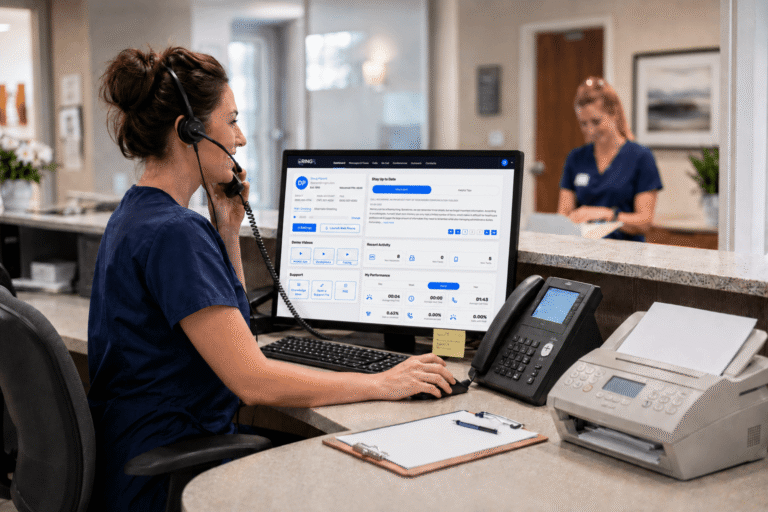
RingRx supports HIPAA-compliant phone, text, fax, video, voicemail, call routing, and on-call workflows in one platform for healthcare teams. That gives mental health practices a clearer way to manage patient communication from one place.
Missed calls, scattered text messages, and voicemails buried in separate apps can disrupt patient care and create compliance concerns. They can also erode trust, lengthen response times, and waste staff time. RingRx supports HIPAA-compliant phone, text, fax, video, and on-call workflows in one platform for healthcare teams. See how RingRx can help your practice manage communication in one place. Sign up for a free RingRx trial today.
Why Mental Health Practices Need Clear Messaging Rules
Mental health communication can be sensitive. A short message may involve appointment details, a follow-up question, or a request for staff to contact the patient.
That makes clear rules important. Staff should know what can be sent via message, who can respond, and when a concern should move to a phone call, a portal message, the emergency process, or another approved channel.
Secure messaging for mental health practices can help teams create a safer structure for routine communication.
Where Messaging Fits Best
Messaging is best for simple, practical communication. A practice may use it to confirm appointments, send arrival instructions, ask a patient to contact the office, or manage routine administrative follow-up.
However, messaging should not carry unnecessary clinical detail. Sensitive therapy content, urgent safety concerns, or complex care questions often require an alternative communication channel.
For example, a text can ask a patient to call the office. It should not try to handle a crisis or a detailed clinical exchange.
What Secure Messaging for Mental Health Practices Should Support
A secure messaging workflow should help staff manage routine messages without creating another disconnected inbox. It should also support patient preferences and practice policies.
Useful capabilities may include:
- Secure texting for appropriate patient communication
- Staff access controls for approved users
- Consent and opt-out handling where applicable
- Message history or activity records where available
- Phone, voicemail, fax, and routing tools in the same workflow
- Mobile and desktop access for approved users
When these tools work together, staff have fewer disconnected places to check and a clearer way to manage patient communication.
Supporting HIPAA-Conscious Messaging
Secure messaging in mental health may involve protected health information. Therefore, practices need systems and policies that support HIPAA-compliant workflows.
Technology alone does not make a practice compliant. Teams still need patient communication policies, staff training, appropriate vendor agreements, and clear rules for what should and should not be sent by message.
Before choosing a secure messaging platform, practices should confirm whether the vendor offers a business associate agreement. They should also review how messages are protected, which staff members can access them, and how activity records are maintained.
How Messaging Helps Practice Outreach
Secure messaging can help mental health practices reduce avoidable phone tag and organize routine outreach. For example, a short message may help confirm an appointment, share basic arrival instructions, or ask a patient to call the office.
In addition, messaging can help staff keep routine follow-up visible, rather than spreading it across personal phones, voicemail, and separate tools.
Used carefully, messaging can support daily practice communication while keeping staff aligned on what needs follow-up.
Common Concerns Before Adding Secure Messaging
Adding secure messaging can raise practical questions. Will patients opt in? Can patients opt out? What should staff avoid sending? How should replies be handled?
A smoother rollout starts with clear rules. Practices should decide which message types are allowed, who can send messages, and when staff should move a conversation to another channel.
Common setup questions include:
- Does the platform support a business associate agreement?
- How are consent and opt-outs managed?
- Which staff members can send or review messages?
- What should staff avoid sending by message?
- How should urgent or sensitive replies be handled?
The goal is not to move therapy into texting. Instead, it is to use secure messaging for the routine communication it fits best.
Choosing Secure Messaging for Mental Health Practices
Secure messaging for mental health practices is most useful when it fits real practice workflows. The right platform should support appropriate messaging while keeping phone, voicemail, fax, and routing easier to manage.
As they compare options, practices should look for healthcare-focused communication features, privacy safeguards, staff access controls, practical setup support, and transparent pricing.
For a broader context on secure messaging in healthcare, this market overview provides a general background.
Better messaging tools do not replace clinical judgment. However, they give teams a clearer structure for managing appropriate communication with patients and staff.
Frequently Asked Questions
How can secure messaging help mental health practices?
Secure messaging can help practices manage reminders, routine follow-up, arrival instructions, and requests for patients to contact the office. It works best with clear rules and staff oversight.
Is secure messaging appropriate for mental health care?
Secure messaging can support routine communication, but it should not replace urgent care, crisis protocols, or complex clinical conversations. Practices should define what messages are appropriate.
What should mental health practices look for in secure messaging?
Practices should look for staff permissions, consent and opt-out handling, message records (where available), a business associate agreement, and support for related workflows, such as phone, voicemail, fax, and routing.
Disclaimer: This content is for general informational purposes and does not constitute legal, compliance, or clinical advice.
You may also be interested in: Telehealth in Rural America: How the Right Communication System Makes All the Difference
Missed calls, scattered text messages, and voicemails buried in separate apps can disrupt patient care and create compliance concerns. They can also erode trust, lengthen response times, and waste staff time. RingRx supports HIPAA-compliant phone, text, fax, video, and on-call workflows in one platform for healthcare teams. See how RingRx can help your practice manage communication in one place. Sign up for a free RingRx trial today.