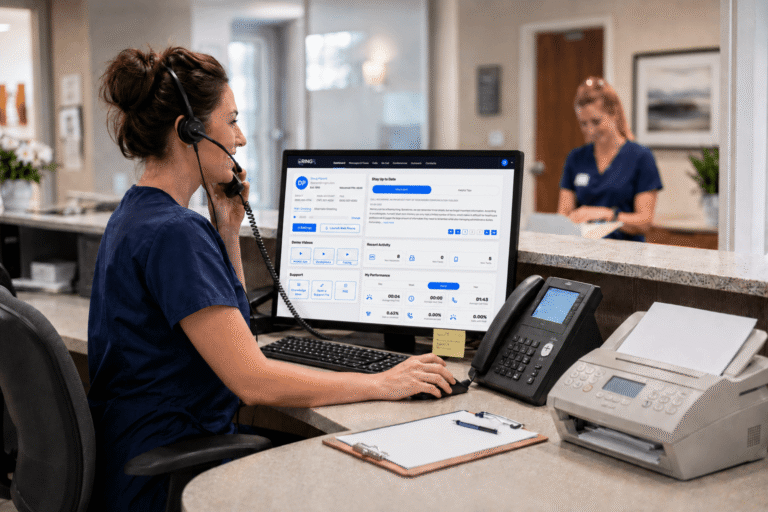

As detailed in discussions around Telehealth Strategies for Rural Healthcare Providers, the shift to virtual care is reshaping how remote clinics operate. In vast stretches of the American countryside, where a single provider might serve hundreds of square miles, telehealth has moved from nice-to-have to non-negotiable. Yet the technology alone rarely solves the deeper frustrations spotty connections, juggling multiple communication channels, and the constant worry that a critical message will slip through the cracks.
Missed calls, scattered text messages, voicemails buried in separate apps disrupt patient care and expose practices to compliance risks. Erodes patient trust, longer waits and wasted staff time. RingRx changes that by combining voice, secure texting, fax, video visits, and on-call scheduling into one intuitive, fully HIPAA-compliant platform designed specifically for medical workflows. See how your practice can grow, run more smoothly, and deliver a better experience for every patient. Sign Up for RingRx Free Trial today!
The Daily Realities Rural Providers Face
Rural healthcare teams know the drill all too well. A patient calls about chest pain, but the on-call cardiologist is two counties away. A follow-up text about medication changes gets buried under a flood of non-clinical messages. Faxed lab results arrive hours late, forcing staff to chase down confirmation. These are not occasional hiccups; they are the rhythm of the day. Limited broadband, smaller staffs, and tighter budgets turn what should be straightforward care coordination into an exhausting puzzle.
Traditional phone systems, built for office buildings rather than mobile or hybrid care models, only add to the strain. Dropped calls during video visits, separate logins for messaging and faxing, and the nagging fear of compliance missteps keep many providers tethered to outdated tools long after they have outlived their usefulness. In communities where every minute counts, these gaps can delay critical interventions and increase the risk of oversight.
Why Telehealth Demands More Than Video Alone
Successful telehealth in rural settings rests on something quieter but far more powerful: reliable, unified communication. When phone calls, secure texts, faxes, and patient routing all live in one place, clinicians spend less time hunting for information and more time with patients. The difference shows up in faster response times, fewer missed referrals, and a noticeable drop in administrative burnout.
North America continues to lead this transition as providers move toward cloud-native platforms that adapt to real medical workflows instead of forcing medicine to fit rigid technology. Industry reports confirm that the unified communications-as-a-service in healthcare market size in 2026 is estimated at USD 5.83 billion, growing from the 2025 value of USD 5.22 billion with 2031 projections showing USD 10.11 billion. This expansion reflects hospitals, clinics, and home-care agencies replacing on-premises PBX equipment with cloud platforms that unify voice, video, messaging, and collaboration in HIPAA-compliant environments. The result is not just convenience it is safer, more connected care for communities that have historically been left behind.
The global shift toward hosted PBX market solutions and cloud telephony services further supports this momentum, enabling lower operating costs and on-demand scalability without the burden of heavy hardware investments.
Core Strategies That Actually Work on the Ground
Effective telehealth programs in rural America share a handful of practical moves. First, map every communication touchpoint: intake calls, specialist consults, prescription refills, emergency routing, and discharge instructions. Then consolidate them into a single HIPAA-compliant system rather than layering on yet another app.
Second, prioritize features built specifically for healthcare. Automatic call routing based on provider availability, secure two-way texting that integrates with the patient record, and seamless fax-to-digital conversion eliminate the gaps that frustrate both staff and patients. Third, choose solutions that scale with fluctuating demand seasonal flu surges, harvest-season injuries, or sudden telehealth reimbursement changes without requiring new hardware or surprise costs.
- Train once on a unified platform instead of multiple disconnected tools.
- Build fallback routing rules so calls reach the right clinician even when internet dips.
- Monitor usage patterns to refine workflows rather than guessing what needs fixing.
- Integrate directly with existing electronic health records for instant context during every interaction.
These steps turn telehealth from an add-on experiment into a dependable extension of the clinic itself. Rural teams that adopt this approach report smoother daily operations and stronger patient trust, proving that thoughtful implementation delivers lasting results.
Overcoming the Hesitations That Hold Providers Back
Switching communication systems understandably feels disruptive. Staff already wear too many hats; the last thing they need is another learning curve or downtime during the transition. Yet the right platform minimizes exactly that risk by mirroring existing medical workflows instead of forcing new ones.
Reliability questions come up often, especially when lives are on the line. Can the system handle phone, text, fax, and intelligent routing without failure? Healthcare-first designs answer yes by building in redundancy and testing against the specific pressures of clinical environments rather than generic business use. Providers who have made the move consistently describe the change as seamless once the initial setup is complete.
Compliance concerns linger as well. Providers want clear proof that protected health information stays protected and that the vendor understands HIPAA at a granular level. Transparent pricing removes another layer of doubt no hidden fees, no sudden billing surprises that strain already thin margins. When value is obvious and costs are predictable, the decision becomes far easier.
What Sets Healthcare-First Platforms Apart
Not every cloud phone service is created equal. The strongest options for rural care are built from the ground up for medical teams. They deliver unified HIPAA-compliant communications with features tailored to clinical realities: one-click escalation to on-call providers, automatic documentation of patient messages, and secure channels that feel as natural as the old desk phone yet far more capable.
Transparent pricing brings peace of mind. Clinics know exactly what they will pay each month, allowing tighter budgeting and fewer awkward conversations with administrators. The result is a system that feels like a partner rather than another vendor to manage. These platforms also offer dedicated support teams familiar with rural healthcare challenges, ensuring quick resolutions when needed.
Measurable Impact on Patients and Practices
When communication flows smoothly, patients notice immediately. Wait times shrink. Specialists can join virtual visits without awkward delays. Follow-up instructions arrive via secure text instead of “call back if you have questions.” Rural families dealing with chronic conditions or mental-health needs stay connected without burning vacation days or gasoline money on long drives.
Providers gain breathing room too. Less time chasing faxes or reconciling mismatched records means more time for actual medicine. Practices that once viewed telehealth as a temporary workaround now see it as a permanent, reliable pillar of service delivery. The human impact is profound: stronger patient relationships, reduced staff burnout, and better health outcomes in areas where access has long been limited.
Looking Ahead: Building Resilient Rural Telehealth
The next few years will bring faster networks, new reimbursement models, and higher patient expectations. Rural providers who invest now in flexible, healthcare-specific communication infrastructure will be positioned to meet those demands instead of scrambling to catch up. The goal is not simply to check a telehealth box but to create care experiences that feel local even when the expertise is miles away.
Ultimately, the most successful strategies are the ones that disappear into the background. They let clinicians focus on healing, staff focus on support, and patients focus on getting better without the technology ever getting in the way. In rural America, that quiet reliability may be the most powerful medicine of all. By embracing these proven approaches today, forward-thinking practices are ensuring they remain ready for whatever challenges tomorrow brings.
Frequently Asked Questions
What are the biggest communication challenges rural healthcare providers face with telehealth?
Rural providers commonly struggle with spotty internet connections, fragmented communication tools, and delayed information like late fax deliveries or buried text messages. Managing separate apps for voice calls, messaging, and faxing creates gaps that slow down care coordination and increase compliance risks. These daily friction points can delay critical interventions, especially when specialists may be located counties away.
What features should rural clinics look for in a telehealth communication platform?
Rural clinics should prioritize a unified, HIPAA-compliant platform that consolidates voice calls, secure two-way texting, fax-to-digital conversion, video visits, and on-call scheduling in one place. Automatic call routing based on provider availability, EHR integration, and built-in redundancy for low-bandwidth environments are also essential. Transparent, predictable pricing is equally important for practices operating on tight budgets.
Is the telehealth and unified healthcare communications market still growing?
Yes the unified communications-as-a-service market in healthcare is expanding rapidly, with the 2026 market size estimated at USD 5.83 billion and projections reaching USD 10.11 billion by 2031. This growth is driven by hospitals and clinics replacing outdated on-premises phone systems with cloud-based platforms that unify voice, video, and messaging in HIPAA-compliant environments. Rural providers who invest in this infrastructure now will be better positioned to meet rising patient expectations and evolving reimbursement models.
Disclaimer: The above helpful resources content contains personal opinions and experiences. The information provided is for general knowledge and does not constitute professional advice.
You may also be interested in: Patient Communication Excellence for Healthcare Practices – RingRx
Missed calls, scattered text messages, voicemails buried in separate apps disrupt patient care and expose practices to compliance risks. Erodes patient trust, longer waits and wasted staff time. RingRx changes that by combining voice, secure texting, fax, video visits, and on-call scheduling into one intuitive, fully HIPAA-compliant platform designed specifically for medical workflows. See how your practice can grow, run more smoothly, and deliver a better experience for every patient. Sign Up for RingRx Free Trial today!
Powered by flareAI.co