
Quick Listen:
Imagine a patient in a rural town waking up with concerning chest pain at 2 a.m. Instead of driving hours to an emergency room or waiting until morning, they use a simple wearable device that instantly transmits vital signs to their doctor. Within minutes, a remote diagnostic system flags potential issues, schedules a virtual follow-up, and even routes the call to a live medical answering service if needed. This isn’t science fiction it’s the rapidly approaching reality of healthcare.
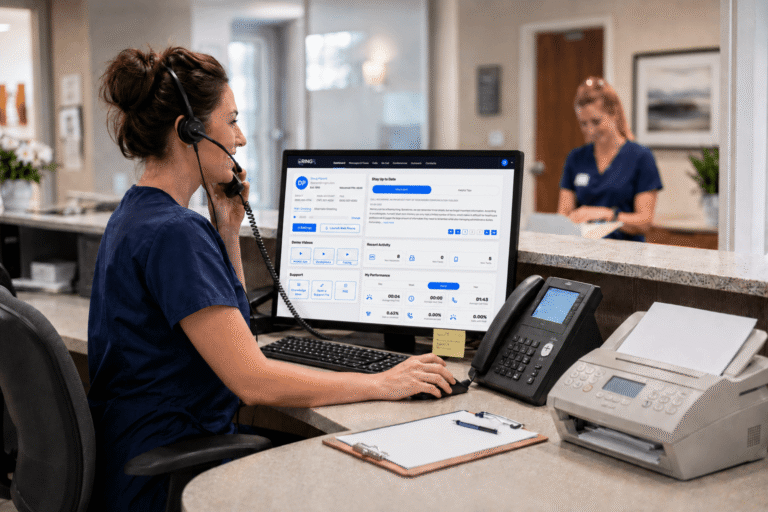
Missed calls, scattered text messages, voicemails buried in separate apps disrupt patient care and expose practices to compliance risks. Erodes patient trust, longer waits and wasted staff time. RingRx changes that by combining voice, secure texting, fax, video visits, and on-call scheduling into one intuitive, fully HIPAA-compliant platform designed specifically for medical workflows. See how your practice can grow, run more smoothly, and deliver a better experience for every patient. Sign Up for RingRx Free Trial today!
The Shift from Reactive to Proactive Care
For decades, healthcare has largely operated on a reactive model: symptoms appear, patients seek help, and treatment begins. Remote diagnostics flips that script. Wearable sensors and home-based monitoring tools now track everything from heart rhythms to blood glucose levels continuously, alerting providers to subtle changes before they become crises.
This shift matters especially for people managing chronic conditions like diabetes, hypertension, or heart disease. Early detection through remote data can prevent hospitalizations and improve daily quality of life. Physicians gain a fuller picture of a patient’s health between visits, moving beyond snapshot checkups to ongoing insights.
How Technology Enables Remote Diagnostics Today
At the heart of this evolution sit advanced wearables and connected devices. Smartwatches that once counted steps now perform electrocardiograms and detect irregular heartbeats. Continuous glucose monitors deliver real-time readings without finger pricks. These tools feed data into secure platforms where algorithms analyze patterns and flag concerns.
Artificial intelligence plays a growing role, sifting through vast amounts of information to spot anomalies that might escape even experienced eyes. Cloud connectivity ensures doctors can review results from anywhere, while 5G networks promise faster, more reliable transmission of high-resolution images and video for virtual consultations.
Supporting this technical backbone are human elements that keep the system running smoothly. Medical answering services handle after-hours calls, patient questions, and appointment coordination, ensuring no urgent message falls through the cracks. Virtual receptionist services extend this support by managing administrative tasks remotely, allowing clinical staff to focus on care rather than paperwork.
The Role of Communication Services in Remote Care
Remote diagnostics doesn’t exist in isolation. Reliable patient communication forms its lifeline. When a device sends an alert or a patient has questions about results, timely responses build trust and encourage adherence.
Industry reports highlight that medical answering services play a crucial role in managing these interactions effectively, especially during off-hours or periods of high demand. These services ensure healthcare providers maintain seamless connections with patients when in-person support isn’t possible.
Similarly, virtual receptionist solutions help practices across healthcare and other fields handle calls and scheduling without a physical front desk. In medicine, they reduce missed opportunities for follow-up while maintaining professional, compassionate interactions. Providers increasingly turn to such services to keep operations efficient amid growing telehealth demands.
Overcoming Barriers and Addressing Concerns
Despite clear promise, challenges remain. Data privacy tops the list patients and providers alike worry about how sensitive health information travels across networks. Strong encryption, compliance standards, and transparent policies help mitigate risks, but ongoing vigilance is essential.
Access presents another hurdle. Not everyone owns the latest wearable or enjoys reliable internet, particularly in underserved communities. Bridging this digital divide will require thoughtful policy, subsidies for devices, and hybrid models that combine remote tools with traditional care options.
Integration with existing electronic health records also needs refinement. When systems speak different languages, valuable data gets lost or duplicated. Standardized protocols and collaborative development among technology vendors can smooth these connections.
Real-World Impact on Patients and Providers
Consider a busy cardiology practice. Instead of scheduling frequent in-office visits for stable patients, doctors review remote monitoring data weekly. Alerts trigger timely interventions, while routine questions route to a virtual receptionist team trained in medical protocols. The result? Fewer unnecessary appointments, reduced burnout for staff, and better outcomes for patients who feel supported around the clock.
In rural or aging populations, remote diagnostics can mean the difference between catching a developing issue early or facing complications later. Families gain peace of mind knowing help is just a connected device away.
Looking Ahead: Innovations on the Horizon
The coming years will likely see even deeper integration of AI for predictive diagnostics. Algorithms may forecast potential health events days or weeks in advance, allowing preventive steps rather than emergency responses. Miniaturized sensors could monitor additional biomarkers, expanding the range of conditions managed remotely.
Augmented and virtual reality tools might enhance remote consultations, letting specialists guide procedures or explain complex results with visual overlays. At the same time, communication platforms will evolve to feel more natural perhaps blending voice, text, and video seamlessly with diagnostic data.
As organizations seek efficient ways to manage client interactions without physical infrastructure, virtual receptionist services continue to gain traction in healthcare. These tools complement remote diagnostics by streamlining administrative support and freeing clinicians to deliver high-quality care.
Practical Steps for Healthcare Providers
- Evaluate current patient communication workflows and identify where remote tools or answering services could reduce delays.
- Pilot wearable monitoring programs with a focused patient group to gather real feedback before wider rollout.
- Prioritize platforms that emphasize interoperability and security to avoid future headaches.
- Train staff on both the technology and the human touch required to maintain trust in virtual interactions.
- Engage patients early, explaining benefits clearly while addressing privacy and ease-of-use concerns.
Final Reflections
The future of remote diagnostics isn’t just about gadgets and algorithms. It’s about rebuilding healthcare around people making expert care available when and where it’s needed most. By combining sophisticated monitoring technology with reliable human support systems like medical answering services and virtual receptionists, we move closer to a system that feels both cutting-edge and deeply personal.
Challenges will persist, but the trajectory points toward more equitable, efficient, and empathetic care. Patients gain convenience and earlier interventions. Providers gain better data and reduced administrative burden. In the end, the real winner is health itself delivered smarter, faster, and closer to home.
As these technologies mature and integrate, one thing becomes clear: the distance between patient and care is shrinking, and the possibilities are expanding in remarkable ways.
Frequently Asked Questions
What is remote diagnostics in healthcare and how does it work?
Remote diagnostics uses connected wearable devices, artificial intelligence, and cloud-based platforms to monitor and analyze a patient’s health data in real time without requiring an in-person visit. Devices like smartwatches and continuous glucose monitors collect vital signs and biomarkers, which are transmitted to secure systems where algorithms flag potential concerns for physicians to review. This allows doctors to track patient health continuously between appointments rather than relying solely on periodic checkups.
What are the main benefits of remote diagnostics for patients with chronic conditions?
For patients managing chronic illnesses like diabetes, hypertension, or heart disease, remote diagnostics enables early detection of subtle health changes before they escalate into emergencies. Continuous monitoring provides physicians with a fuller, ongoing picture of a patient’s health, reducing the need for frequent in-office visits and potentially preventing costly hospitalizations. Patients in rural or underserved areas especially benefit, as the technology bridges geographic gaps in access to specialist care.
What challenges does remote diagnostics face, and how are they being addressed?
The three primary challenges are data privacy, unequal access to technology, and integration with existing electronic health records (EHR) systems. Strong encryption, regulatory compliance standards, and transparent data policies help protect sensitive health information in transit. Bridging the digital divide requires policy support and device subsidies, while standardized interoperability protocols among technology vendors are key to ensuring patient data flows seamlessly across platforms.
Disclaimer: The above helpful resources content contains personal opinions and experiences. The information provided is for general knowledge and does not constitute professional advice.
You may also be interested in: Enhance Communication with High-Quality RingRx Desk Phones
Missed calls, scattered text messages, voicemails buried in separate apps disrupt patient care and expose practices to compliance risks. Erodes patient trust, longer waits and wasted staff time. RingRx changes that by combining voice, secure texting, fax, video visits, and on-call scheduling into one intuitive, fully HIPAA-compliant platform designed specifically for medical workflows. See how your practice can grow, run more smoothly, and deliver a better experience for every patient. Sign Up for RingRx Free Trial today!
Powered by flareAI.co