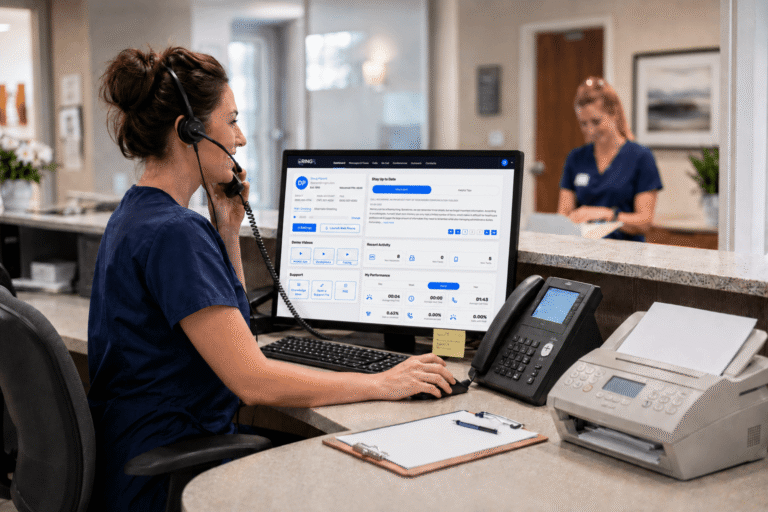

In an era where patients expect care at their fingertips, outdated phone systems can create unnecessary barriers. A patient in a rural corner of the country needs quick advice from a specialist, yet fuzzy connections or missed messages get in the way. Practices across the USA are discovering a better path forward. As more providers adopt modern solutions, it becomes evident that VoIP systems help improve telehealth accessibility in ways that matter most making virtual visits reliable, secure, and genuinely patient-centered.
This shift isn’t about flashy gadgets. It’s about restoring the human connection in healthcare. Doctors can focus on healing instead of wrestling with technology, and patients feel heard even from miles away. The change is happening now in clinics large and small, and the results speak for themselves. Practices that embrace these tools report stronger patient relationships and smoother daily operations, proving that technology can support compassion rather than replace it.
Missed calls, scattered text messages, voicemails buried in separate apps disrupt patient care and expose practices to compliance risks. Erodes patient trust, longer waits and wasted staff time. RingRx changes that by combining voice, secure texting, fax, video visits, and on-call scheduling into one intuitive, fully HIPAA-compliant platform designed specifically for medical workflows. See how your practice can grow, run more smoothly, and deliver a better experience for every patient. Sign Up for RingRx Free Trial today!
The Rise of Telehealth and Why Communication Matters
Telehealth surged during the pandemic and has stayed strong ever since. Patients love the convenience, and practices appreciate the reach. Yet reliable communication remains the foundation. Without it, sessions break down, follow-ups slip, and trust erodes. Traditional landlines simply cannot match the flexibility modern care demands.
Recent analyses of clinical communication tools show the sector expanding steadily, with North America at the forefront. This growth reflects a simple reality: healthcare teams need systems that keep everyone connected without complications. In the United States, where practices serve diverse communities from bustling cities to remote towns, seamless communication directly improves access and outcomes for patients who might otherwise face long travel times or scheduling conflicts.
The emphasis on connected care has become even more critical as patient expectations evolve. Families dealing with chronic conditions now expect quick virtual check-ins, while specialists in high-demand fields rely on instant coordination. Effective platforms eliminate the friction that once slowed down these interactions, allowing medicine to keep pace with real-life needs across the country.
How VoIP Works for Medical Practices
Voice over Internet Protocol turns calls into digital packets sent over the internet. The result is crystal-clear audio, easy texting, and video that actually works. Providers can answer from a laptop in the office, a tablet in the exam room, or a phone while making house calls. No more being chained to a single desk line.
This technology converts voice signals into data packets transmitted online, enabling communication from any internet-connected device. For everyday workflows, it means routing urgent calls to the right clinician instantly. Faxes arrive digitally and securely. Patient texts integrate into the same system. The technology disappears into the background so care stays front and center.
Medical teams benefit from features once reserved for large enterprises but now tailored to clinical settings. Integration with existing records and scheduling systems creates a single environment where every interaction flows naturally, reducing errors and saving precious time during busy days.
Real Gains in Telehealth Accessibility
Patients in underserved areas now join sessions without long drives. Older adults connect from home without complicated apps. Mental health practices report higher attendance because joining a call feels effortless. Home care teams update records in real time while on the road.
The accessibility boost shows up in concrete ways. No-shows drop. Follow-up questions get answered quickly. Chronic care management becomes smoother because communication flows naturally. Practices that once struggled with geographic limits now serve wider regions with confidence.
Features That Make the Difference
- Instant call forwarding to on-call staff
- Secure video that works on any device
- Unified inbox for texts, voicemails, and faxes
- Easy integration with scheduling and records
These capabilities open doors for patients who previously faced barriers. Rural families gain consistent specialist access, while urban clinics manage overflow with virtual options. The result is broader care delivery that truly meets people where they are.
Addressing the Common Hesitations
Switching systems can feel disruptive, especially in a busy medical office. Staff worry about downtime, training curves, and patient confusion during the changeover. The good news is that thoughtful implementations minimize these issues. Many practices complete the move in weeks, not months, with minimal interruption to daily routines.
Reliability questions often arise next. Will calls drop? Will texts and faxes reach the right person? Healthcare-focused platforms answer these concerns by handling every channel phone, text, fax, and intelligent routing in one secure environment. The system stays up even when internet fluctuates, thanks to built-in backups and redundancies.
Concerns about HIPAA compliance and value compared with cheaper options are understandable. Generic services may save a few dollars upfront but fall short on healthcare-specific safeguards. Specialized solutions provide clear proof of compliance, audit-ready logs, and features designed around medical privacy needs. When paired with transparent pricing that includes everything upfront, practices avoid surprise bills and gain lasting confidence.
What Sets Healthcare-First Platforms Apart
Not every VoIP service fits a medical practice. The strongest options are built from the ground up for real clinical workflows. They understand the pace of a hospital floor or the sensitivity of a therapy session. This focus creates a unified, HIPAA-compliant environment where every communication stays protected and purposeful.
One key advantage is the healthcare-first design that aligns with actual medical routines rather than forcing adaptations. Automated routing follows on-call schedules without manual effort. Secure patient messaging fits neatly into existing portals. The entire platform works the way clinicians actually practice medicine.
Pricing follows the same straightforward philosophy. No hidden fees, no sudden overages, no confusing add-ons. Practices know exactly what to expect each month, freeing budget for patient care rather than unexpected technology costs. This clarity builds trust and supports long-term planning across diverse settings.
Impact Across American Medical Practices
From trauma centers in Maryland to family clinics in Yukon and metabolic health centers nationwide, the pattern is consistent. Practices that once juggled multiple outdated systems now operate with one reliable platform. Mental health assessment offices report smoother virtual intakes. Home care providers coordinate visits more efficiently. Anxiety treatment centers maintain continuity even when patients travel.
These real-world shifts matter because they reach patients who might otherwise fall through the cracks. A single reliable connection can turn a missed appointment into a meaningful conversation. Across the United States, this quiet revolution is expanding access without expanding overhead, allowing smaller practices to compete with larger networks through superior connectivity.
The benefits extend to staff satisfaction as well. Reduced administrative burden means more time for direct patient interaction. Teams in varied locations from urban wellness centers to community health organizations experience fewer dropped calls and faster response times, creating a more supportive environment for both providers and those they serve.
Making the Most of Your New Capabilities
Once the system is in place, the benefits multiply. Teams collaborate instantly across locations. On-call doctors respond from anywhere. Administrative staff spend less time chasing messages and more time supporting care. The technology becomes an invisible partner that simply works.
Many practices also extend their reach through familiar channels. Sharing telehealth success stories on LinkedIn connects with referring physicians. Patient education videos on YouTube build community trust. Updates on Facebook keep local families informed. These platforms amplify the accessibility gains already happening inside the clinic.
By combining internal efficiency with external engagement, practices create a complete ecosystem. The result is not just better technology but a more responsive, patient-focused model that strengthens community ties and professional networks alike.
Choosing the Right Path Forward
Selecting a VoIP solution starts with honest assessment. Look for a partner that understands medical rhythms and offers hands-on guidance. Test how the system handles your specific workflows fax volume, after-hours routing, multi-location needs. The best choices prove their value quickly through smoother days and happier patients.
Start small if needed. Pilot one department or one feature. Measure the difference in response times and staff satisfaction. The data usually confirms what clinicians already sense: reliable communication changes everything. Focus on platforms that prioritize compliance and workflow alignment to ensure a lasting fit.
Practical evaluation includes reviewing integration options and support availability. When the right match is found, the transition becomes an investment in future readiness rather than a temporary fix.
Looking Ahead to More Connected Care
The future of healthcare will be defined by connection. Patients will expect seamless experiences whether they sit in the exam room or join from home. Practices that embrace VoIP today position themselves to meet those expectations without constant upgrades or added stress.
In the United States, where innovation and compassion have always driven medicine, these systems represent a practical step forward. They reduce barriers, protect privacy, and let providers focus on what they do best caring for people. The technology is ready. The question for every practice is simple: are you ready to make telehealth truly accessible for everyone who needs it?
As more American medical settings adopt these solutions, the standard of care continues to rise. Reliable communication is no longer a luxury but an essential foundation for equitable, effective healthcare in every community.
Frequently Asked Questions
Are VoIP phone systems HIPAA-compliant for healthcare use?
Healthcare-first VoIP platforms are built specifically to meet HIPAA compliance requirements, offering audit-ready logs, encrypted messaging, and secure fax unlike generic business VoIP services that may fall short on medical privacy safeguards. These specialized solutions handle voice, text, fax, and video within a single protected environment, ensuring every patient interaction remains confidential. Practices should look for transparent pricing with no hidden fees and compliance documentation included upfront.
What features should a medical practice look for in a VoIP system?
Medical practices should prioritize VoIP systems that offer a unified inbox for calls, texts, voicemails, and faxes, along with secure video that works on any device and intelligent on-call routing that follows staff schedules automatically. Seamless integration with existing scheduling and electronic health record systems is essential to reduce administrative burden and minimize errors. A healthcare-first design rather than a generic business solution adapted for clinics ensures the platform aligns with real clinical workflows from day one.
How do VoIP systems improve telehealth accessibility for medical practices?
VoIP systems improve telehealth accessibility by enabling crystal-clear audio, secure video, and unified messaging across any internet-connected device whether a laptop, tablet, or smartphone. This flexibility allows patients in rural or underserved areas to join virtual visits without long drives or complicated apps. Features like instant call forwarding, secure patient texting, and integrated fax reduce no-shows and keep chronic care management on track.
Disclaimer: The above helpful resources content contains personal opinions and experiences. The information provided is for general knowledge and does not constitute professional advice.
You may also be interested in: Telehealth in Rural America: How the Right Communication System
Missed calls, scattered text messages, voicemails buried in separate apps disrupt patient care and expose practices to compliance risks. Erodes patient trust, longer waits and wasted staff time. RingRx changes that by combining voice, secure texting, fax, video visits, and on-call scheduling into one intuitive, fully HIPAA-compliant platform designed specifically for medical workflows. See how your practice can grow, run more smoothly, and deliver a better experience for every patient. Sign Up for RingRx Free Trial today!
Powered by flareAI.co