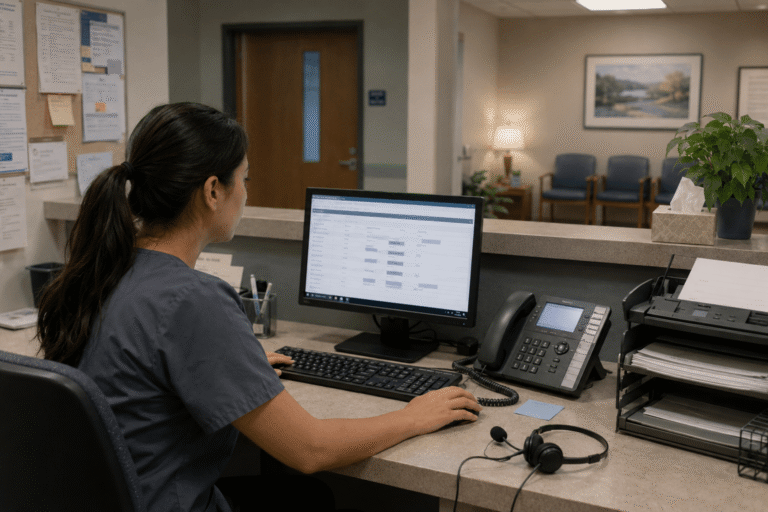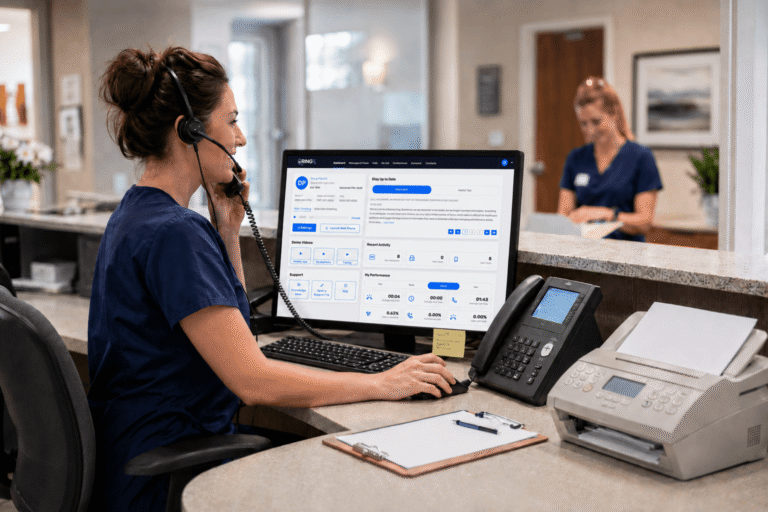

In today’s fast-paced healthcare environment, effective communication can mean the difference between a patient who feels heard and one who slips through the cracks. For practices ranging from trauma therapy clinics in Maryland to integrative health centers and pediatric direct primary care groups, the challenge of staying connected with patients via phone, text, fax, or secure routing has never been more critical. Cloud-based solutions are quietly transforming how these organizations manage their workflows, offering a more seamless way to prioritize care over administrative headaches.
Missed calls, scattered text messages, voicemails buried in separate apps disrupt patient care and expose practices to compliance risks. Erodes patient trust, longer waits and wasted staff time. RingRx changes that by combining voice, secure texting, fax, video visits, and on-call scheduling into one intuitive, fully HIPAA-compliant platform designed specifically for medical workflows. See how your practice can grow, run more smoothly, and deliver a better experience for every patient. Sign Up for RingRx Free Trial today!
The Growing Need for Smarter Patient Communication
Healthcare providers across the United States face mounting pressure to deliver timely, secure, and personalized interactions. Whether coordinating follow-up care after a sports injury at a family urgent care clinic or supporting elderly patients through a home health agency, outdated systems often create unnecessary friction. Calls drop, messages get lost in silos, and traditional faxes continue to complicate daily operations.
This fragmentation slows workflows and can erode patient trust while affecting outcomes. Providers serving diverse communities including those offering virtual therapy or metabolic health optimization require tools that adapt to real medical workflows rather than forcing practices to adjust to rigid technology.
Why Traditional Systems Fall Short
Many practices still depend on a patchwork of legacy phone systems, separate texting applications, and standalone fax services. The outcome is a disjointed experience that frustrates staff and patients alike. A therapist may waste valuable time chasing referrals, while a pediatrician struggles to route urgent messages securely after hours.
These challenges intensify when managing sensitive communications. Mental health practices, trauma specialists, and chronic care providers demand absolute reliability and confidentiality. Constantly switching platforms or questioning compliance adds avoidable stress to demanding schedules.
The Expanding Role of Telemedicine and Remote Care
The broader healthcare landscape continues to evolve toward remote and hybrid care models. The global telemedicine market has experienced significant growth, reflecting increased demand for accessible virtual services that reach patients wherever they are. This expansion highlights the importance of robust communication infrastructure that supports both in-person and virtual interactions without compromising security or efficiency.
Modern platforms enable providers to deliver consultations, monitoring, and follow-ups through technology while saving patients time and reducing travel burdens, particularly in rural areas or for chronic condition management.
Enter Cloud Solutions Built Specifically for Healthcare
Cloud platforms designed with medical teams in mind are reshaping communication by unifying phone calls, secure texting, faxing, and intelligent routing into a single intuitive interface. Unlike generic business tools, these healthcare-focused solutions incorporate features that align with clinical realities, such as automatic routing based on on-call schedules and HIPAA-compliant messaging with read receipts.
For organizations providing telehealth or direct primary care with unlimited access, this unification allows staff to concentrate on patient care instead of managing multiple applications. Solutions like RingRx exemplify this approach, offering HIPAA-compliant voice, text, fax, and video capabilities tailored to healthcare workflows.
Key Benefits That Deliver Real Impact
One of the most noticeable advantages is the significant reduction in administrative burden. Practices experience smoother handoffs, fewer missed messages, and improved coordination across multiple locations. A home care provider can maintain secure, open communication lines without adding complexity or risking security.
- Reliability through redundancy: Cloud infrastructure provides higher uptime compared to on-premise systems, ensuring critical updates such as patient reports from trauma clinics or prescription clarifications reach the right team without interruption.
- Actionable insights: Built-in analytics help identify communication patterns, pinpoint bottlenecks, and refine patient engagement strategies for measurable improvements.
- Seamless integration: Purpose-built platforms support mixed in-person and virtual care models while maintaining strict compliance standards.
These benefits translate into enhanced staff morale and stronger patient relationships, as technology recedes into the background and genuine care takes center stage.
Addressing Common Concerns About Transitioning
Healthcare teams understandably hesitate when considering new technology due to fears of operational disruption, downtime, or steep learning curves. However, many cloud solutions are specifically engineered for minimal interference, featuring intuitive interfaces and dedicated support teams that facilitate smooth transitions.
Questions about handling high-volume texting securely alongside phone calls or integrating faxes without new complications are valid. Healthcare-specific platforms resolve these by delivering unified, thoroughly tested workflows rather than adding features to consumer-oriented tools. Transparent pricing models further support better budgeting, with returns realized through time savings and higher patient satisfaction.
Practical Considerations for Selection
When evaluating options, prioritize platforms with healthcare-first design, proven compliance, and customizable features like intelligent call routing and secure patient portals. These elements prove especially valuable for trauma specialists, mental health providers, urgent care clinics, and home health agencies seeking to communicate clearly and efficiently.
Proving Value in an Evolving Landscape
As remote and hybrid care models gain momentum, the practical impact of unified communication becomes evident: providers spend less time on administrative tasks and more time listening to patients. Whether supporting anxiety treatment, whole-person care in larger health systems, or personalized pediatric relationships, these platforms help bridge gaps that older technology once exacerbated.
Practices adopting such solutions frequently report unexpected benefits, including improved team satisfaction and deeper patient connections. When technology operates reliably in the background, the human element of healing moves forward.
Moving Forward With Confidence
Healthcare continues to advance, and the practices that thrive will balance operational efficiency with the irreplaceable human core of medicine. Cloud communication platforms, when thoughtfully chosen and implemented, provide a practical pathway to achieve this equilibrium.
By consolidating essential channels into one dependable system, providers can minimize friction, strengthen security, and deliver the attentive, responsive care patients deserve. Ultimately, the technology does not replace personal connection it protects and amplifies it in an increasingly complex healthcare world.
Frequently Asked Questions
What are the benefits of using cloud-based communication platforms in healthcare practices?
Cloud-based platforms reduce administrative burden by unifying phone calls, secure texting, faxing, and video visits into a single interface. This leads to smoother staff handoffs, fewer missed messages, and improved coordination across multiple locations. Built-in analytics also help practices identify communication bottlenecks and refine patient engagement strategies for measurable improvements.
How do cloud communication solutions ensure HIPAA compliance for patient messaging?
Healthcare-focused cloud platforms are built with HIPAA-compliant messaging at their core, offering features like secure texting with read receipts, encrypted voice calls, and intelligent call routing based on on-call schedules. Unlike generic business tools adapted for medical use, purpose-built solutions deliver thoroughly tested workflows that protect sensitive patient data without adding operational complexity.
Can cloud communication platforms support telemedicine and hybrid care models?
Yes modern cloud platforms are designed to support both in-person and virtual care seamlessly, enabling providers to conduct consultations, monitoring, and follow-ups through a single unified system. This is especially valuable for practices serving rural patients or managing chronic conditions, where reducing travel burden while maintaining secure, reliable communication is essential to delivering quality care.
Disclaimer: The above helpful resources content contains personal opinions and experiences. The information provided is for general knowledge and does not constitute professional advice.
You may also be interested in: Efficient, Secure, and Convenient: Why Healthcare Providers
Missed calls, scattered text messages, voicemails buried in separate apps disrupt patient care and expose practices to compliance risks. Erodes patient trust, longer waits and wasted staff time. RingRx changes that by combining voice, secure texting, fax, video visits, and on-call scheduling into one intuitive, fully HIPAA-compliant platform designed specifically for medical workflows. See how your practice can grow, run more smoothly, and deliver a better experience for every patient. Sign Up for RingRx Free Trial today!
Powered by flareAI.co