
Quick Listen:
In an era where patients expect seamless communication and instant access to care, healthcare organizations are rapidly adopting cloud-based solutions. What once seemed like a futuristic option has become a practical necessity, driven by the need for flexibility, robust security, and superior patient experiences. From contact centers managing appointment scheduling to comprehensive platforms handling electronic health records, cloud technology is transforming how care is delivered and coordinated across the industry.
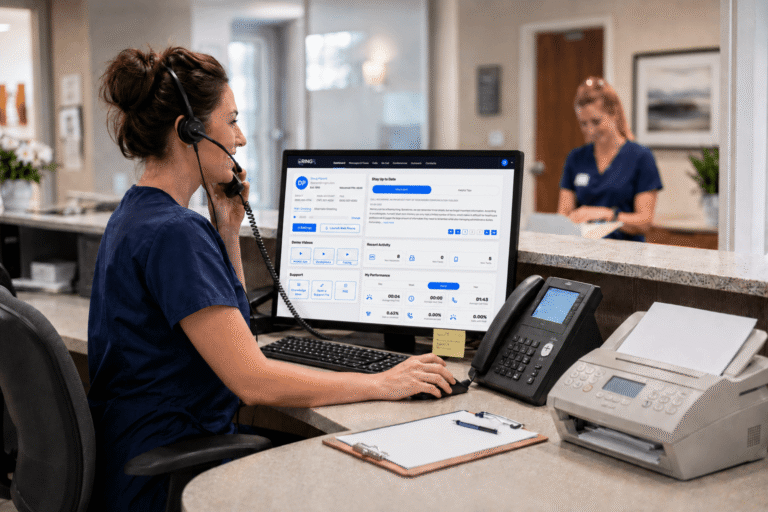
Missed calls, scattered text messages, voicemails buried in separate apps disrupt patient care and expose practices to compliance risks. Erodes patient trust, longer waits and wasted staff time. RingRx changes that by combining voice, secure texting, fax, video visits, and on-call scheduling into one intuitive, fully HIPAA-compliant platform designed specifically for medical workflows. See how your practice can grow, run more smoothly, and deliver a better experience for every patient. Sign Up for RingRx Free Trial today!
The Shift Toward Cloud in Healthcare Communication
Healthcare providers have long depended on legacy systems that often fall short of modern demands. On-premises infrastructure frequently results in high maintenance costs, restricted scalability, and difficulties during peak periods such as flu seasons or public health crises. Cloud-based solutions effectively resolve these issues by delivering on-demand resources that can expand or contract according to real-time needs.
Today, providers leverage cloud platforms to facilitate real-time collaboration among specialists regardless of their physical location. Patients also gain significantly, enjoying easier access to secure portals, virtual visits, and multiple support channels. The transition accelerated during the pandemic when virtual care proved essential, and it continues to gain momentum as organizations prioritize more resilient and adaptable systems.
Why Cloud-Based Contact Centers Are Gaining Momentum
Contact centers represent the frontline of patient interactions, managing inquiries, appointment scheduling, billing questions, and follow-up communications. Traditional setups often create bottlenecks, leading to extended wait times that frustrate callers and strain resources. Cloud-based contact center solutions fundamentally improve this dynamic by enabling seamless operations.
These advanced platforms support omnichannel engagement, empowering patients to connect through phone, text, chat, or email within a single integrated system. Intelligent routing quickly directs inquiries to the appropriate agent or department, while automation efficiently handles routine tasks such as prescription refills and appointment reminders. The outcome is streamlined operations, reduced administrative burdens, and markedly higher satisfaction for both patients and staff.
Scalability stands out as a critical advantage. During periods of high volume, cloud systems can instantly increase capacity without requiring costly hardware investments. They also enable remote and hybrid work models that have become commonplace in contemporary healthcare environments.
Market Insights and Real-World Impact
The healthcare contact center solution market demonstrates strong momentum, valued at approximately USD 7,995 million in 2024 and projected to expand substantially by 2032, with cloud-based options at the forefront due to their cost-effectiveness and seamless integration capabilities.
The related healthcare contact center as a service segment, which heavily relies on cloud infrastructure, was valued at USD 5.86 billion in 2024 and continues to show robust potential for growth in the years ahead. North America maintains a leading position in adoption, supported by advanced IT infrastructure and a strong emphasis on patient-centered care.
Beyond market figures, the practical benefits emerge clearly in everyday operations. Hospitals and clinics report notable reductions in missed appointments thanks to automated reminders, quicker resolutions for insurance and billing queries, and improved coordination in managing chronic care. Cloud platforms also simplify adherence to stringent privacy regulations while facilitating secure data sharing where appropriate.
Key Benefits Driving Widespread Adoption
Healthcare leaders consistently identify several compelling advantages when evaluating cloud-based solutions:
- Flexibility and Scalability: Resources can adjust dynamically in real time, accommodating the needs of small clinics or expansive hospital networks without significant upfront capital outlays.
- Enhanced Accessibility: Authorized personnel can securely retrieve patient information from any location, supporting effective telehealth initiatives and remote patient monitoring programs.
- Cost Efficiency: The move from substantial initial hardware expenditures to predictable subscription-based models helps organizations allocate more resources directly toward patient care.
- Strengthened Security and Compliance: Leading cloud providers dedicate substantial resources to advanced encryption, frequent security updates, and specialized tools that assist in meeting HIPAA and other regulatory requirements.
- Superior Patient Engagement: Capabilities such as next-generation interactive voice response systems with sophisticated voice recognition, proactive outreach, and personalized interactions deliver noticeably smoother and more responsive experiences.
Collectively, these features alleviate administrative pressures, enabling clinicians and support teams to dedicate more time and energy to delivering high-quality care rather than managing technological complexities.
Real-World Considerations for Successful Implementation
Effective transitions to cloud solutions typically begin with a thorough assessment of existing challenges, such as prolonged call queues, disconnected communication channels, or limitations in scaling during demand surges. Many organizations start with targeted pilot programs in areas like patient scheduling or billing support to demonstrate tangible value before broader deployment.
Comprehensive staff training remains essential. When teams clearly understand how these tools simplify daily workflows, initial resistance often transforms into genuine enthusiasm. Modern platforms feature intuitive dashboards and AI-assisted functionalities that significantly shorten the learning curve.
Overcoming Implementation Challenges
Moving to the cloud does present certain obstacles, including concerns about data security, integration with legacy systems, and the need for staff upskilling. However, experienced cloud partners mitigate these issues through robust built-in protections, structured migration strategies, and user-friendly designs tailored for healthcare environments.
Interoperability continues to play a vital role. Contemporary cloud solutions increasingly integrate with electronic health records, billing platforms, and data from wearable devices, offering a more cohesive perspective on patient needs. Organizations that approach the process thoughtfully and select healthcare-specific solutions generally achieve faster and more substantial returns on investment.
The Role of Emerging Technologies in Cloud Contact Centers
Cloud infrastructure provides the essential foundation for incorporating innovations such as artificial intelligence and predictive analytics directly into contact center operations. Virtual assistants can efficiently triage incoming inquiries, while advanced analytics uncover valuable trends in patient feedback or patterns related to appointment no-shows.
Seamless integration with telehealth platforms further broadens access to care, particularly benefiting patients in rural or underserved areas. With the proliferation of wearable devices and remote monitoring technologies, cloud systems serve as a secure and efficient backbone for processing and managing the resulting streams of health data.
Looking Ahead: Building a More Connected Healthcare Future
The movement toward cloud-based healthcare solutions shows no indication of slowing. As patient expectations continue to evolve toward more convenient and responsive service models, organizations that strategically embrace these technologies will be better positioned to achieve improved clinical outcomes and deeper patient relationships.
In essence, this transformation extends far beyond technology itself it involves reimagining the fundamental delivery of care within an increasingly digital landscape. By minimizing friction in communication and operational processes, cloud solutions contribute to a healthcare ecosystem that feels more human, responsive, and genuinely accessible to patients, providers, and support teams alike.
In the coming years, ongoing advancements in cloud capabilities promise even deeper integration of data streams, intelligent automation, and highly personalized support features. For healthcare leaders, the central question is no longer whether to adopt cloud solutions, but how to implement them most effectively and strategically to best serve the evolving needs of both patients and care providers.
Frequently Asked Questions
What are the main benefits of cloud-based solutions for healthcare organizations?
Cloud-based healthcare solutions offer flexibility, scalability, cost efficiency, enhanced security, and improved patient engagement. Unlike legacy on-premises systems, cloud platforms can dynamically scale resources to meet demand whether for a small clinic or a large hospital network without heavy upfront hardware costs. They also support HIPAA compliance through advanced encryption and built-in security tools, while enabling remote access for telehealth and hybrid work models.
How do cloud-based contact centers improve the patient experience in healthcare?
Cloud-based contact centers streamline patient interactions by supporting omnichannel communication allowing patients to connect via phone, text, chat, or email through a single integrated system. Intelligent call routing and automation handle routine tasks like appointment reminders and prescription refills, significantly reducing wait times and administrative burden. Hospitals and clinics using these platforms report fewer missed appointments, faster resolution of billing queries, and overall higher patient satisfaction.
What challenges should healthcare organizations expect when migrating to cloud-based systems?
Common challenges include data security concerns, integrating cloud platforms with existing legacy systems, and the need for staff training and upskilling. However, working with experienced healthcare-specific cloud partners helps mitigate these risks through structured migration strategies, robust built-in protections, and intuitive interfaces designed for clinical environments. Organizations that start with pilot programs such as patient scheduling or billing and invest in thorough staff training tend to see faster, more substantial returns on investment.
Disclaimer: The above helpful resources content contains personal opinions and experiences. The information provided is for general knowledge and does not constitute professional advice.
You may also be interested in: Modern Faxing in Healthcare: Go Cloud-Based Without Ditching
Missed calls, scattered text messages, voicemails buried in separate apps disrupt patient care and expose practices to compliance risks. Erodes patient trust, longer waits and wasted staff time. RingRx changes that by combining voice, secure texting, fax, video visits, and on-call scheduling into one intuitive, fully HIPAA-compliant platform designed specifically for medical workflows. See how your practice can grow, run more smoothly, and deliver a better experience for every patient. Sign Up for RingRx Free Trial today!
Powered by flareAI.co